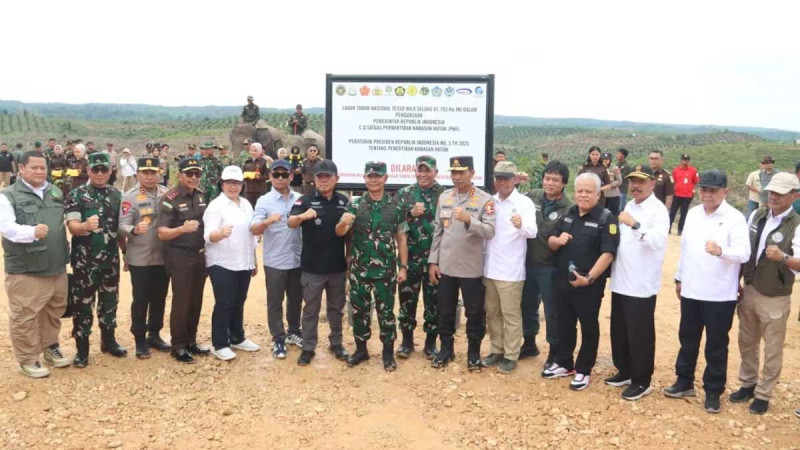
InfoSAWIT, DEPOK — The government is strengthening efforts to regulate palm oil plantations in forest areas through Presidential Regulation (Perpres) No. 5 of 2025. This regulation serves as the latest legal basis in the effort to reorganize the use of forest areas that have long overlapped with plantation activities. At the forefront, the Forest Area Management Task Force (Satgas PKH) is tasked with the heavy mandate of sorting and regulating lands in the gray zone: determining which can be reclaimed by the state, which are disputed, and which are legally untouchable.
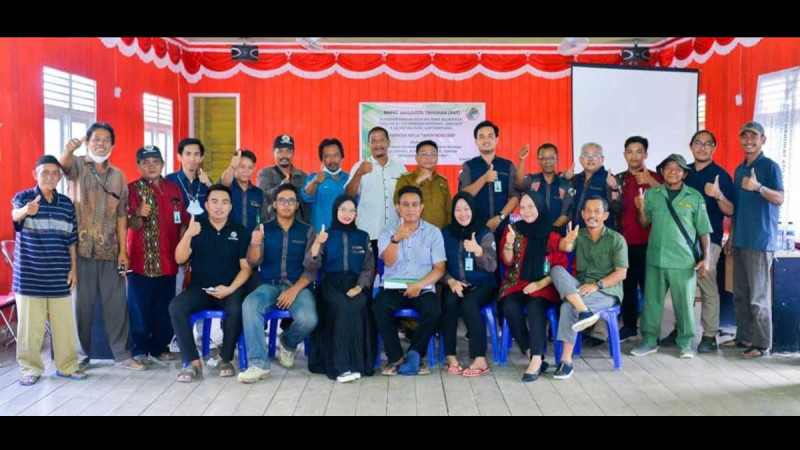
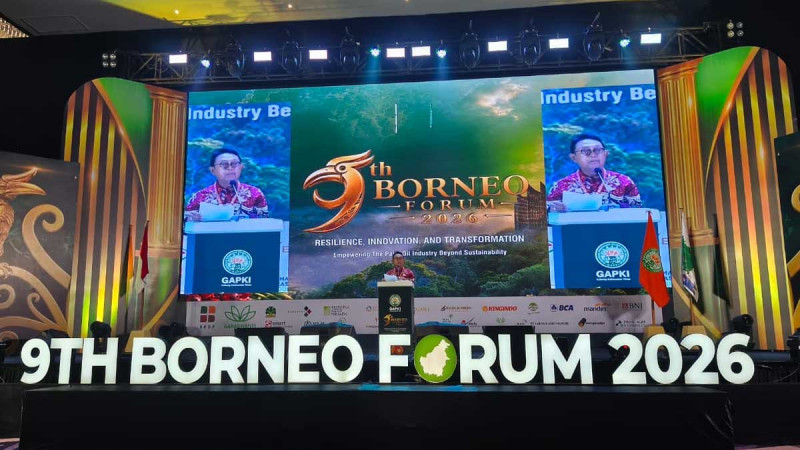
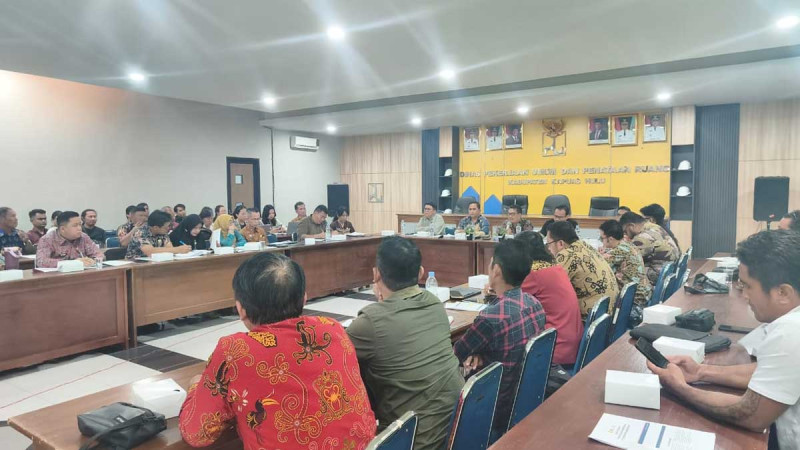
This issue was raised during a limited discussion forum titled “Towards Fair and Sustainable Forest Governance,” held in early May in Depok. In this forum, Coordinator I of the Attorney General's Office for Special Crimes, Ardito Muwardi, revealed the silent work being carried out by law enforcement to support the mandate of Perpres 5/2025.
“We are not just talking about regulating forest areas. This is about re-establishing what belongs to the state and the community while maximizing the function of the forest areas themselves,” Ardito stated before academics, bureaucrats, and palm oil industry players.
Ardito emphasized that the resolution of palm oil plantations that have encroached into forest areas cannot be allowed to drag on indefinitely. One of the main legal bases for this process is Articles 110A and 110B of the Job Creation Law (UU CK), which provide a legalization mechanism for encroachments.
“This issue has been stagnant for too long. The Job Creation Law has already provided a way out. In the context of palm oil, this is crucial as there are indications that around 3 million hectares of palm oil plantations are located in forest areas,” he said.
However, Ardito criticized the slow follow-up process on legalization requests. According to him, official decisions on these requests have yet to be issued. Instead, what has been more dominant are the release decrees issued before the enactment of the Job Creation Law.
“This is what we urge the Ministry of Environment and Forestry to follow up on, including through the issuance of SK No. 36 of 2025, which could serve as a new starting point for resolving encroachments,” Ardito stated.
During Ramadan last month, the Attorney General's Office intensified the identification process of around 600 cases of palm oil plantations located within forest areas. In this process, they utilized spatial data from Location Permits (ILOK) and Plantation Business Licenses (IUP), overlaying this data with national forest area maps.
“The verification results show that the majority of the problematic lands are not owned by plasma farmers, cooperatives, or communities. Most are controlled by large corporations,” Ardito noted. He emphasized that the initial focus of resolution efforts is directed at corporate-owned lands. “Communities are not our primary focus at this stage,” he added.
The verification process conducted by the Attorney General's Office not only records the position and area of the land but also examines the legal status of the land. The assessment includes the possibility of reclaiming the land by the state, status that remains undetermined, and land that cannot be legally reclaimed.
“If it can indeed be reclaimed legally and factually, we will follow up. But it must still be with measured risk management,” Ardito stated.
These steps are crucial in realizing a more just and sustainable forest governance. Legal clarity and the courage to act against violations, especially by large corporations, are seen as key to restoring state rights over forest areas while providing a new direction for the transformation of palm oil governance in Indonesia. (T2)