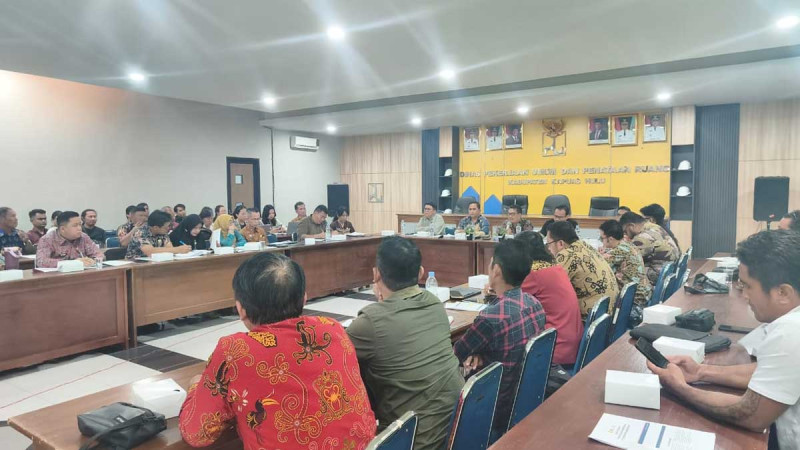
InfoSAWIT, JAKARTA – Indonesia's palm oil industry is grappling with fundamental challenges that continue to hinder productivity and global competitiveness. Azis Hidayat, Chairman of the Plantation Sector at the Indonesian Palm Oil Entrepreneurs Association (GAPKI), revealed that one of the main obstacles is the low productivity of smallholder palm oil, which currently stands at around 3.55 to 3.6 tons of crude palm oil (CPO) per hectare per year.
"This figure lags significantly behind other producing countries," Azis stated during a discussion with industry stakeholders, which was also attended by InfoSAWIT, in late December 2024 in Jakarta.
The Smallholder Palm Oil Rejuvenation Program (PSR), which was expected to be a solution through the use of superior seeds and improved cultivation techniques, is progressing slowly. According to GAPKI's records, of the target of 2.8 million hectares, the realization of PSR has only reached 236,000 hectares to date.
"If there is no acceleration, it will take decades to reach that target," he warned.
On another front, efforts for sustainable certification through the Indonesian Sustainable Palm Oil (ISPO) scheme have yet to show significant progress. Only about 35 percent of palm oil plantations are certified, with the remainder facing various obstacles, including overlapping regulations, forest area status, and frequent land conflicts, particularly in Sumatra.
"Some farmers there have even been forced to halt operations for weeks due to unresolved land issues," Azis added.
Despite these challenges, Azis welcomed the government's issuance of Regulation No. 13 of 2024, which provides opportunities for partnerships between independent farmers and companies. However, he emphasized that the implementation of this regulation still requires cross-ministerial harmonization, particularly between the Ministries of Agriculture, Forestry, and Economy.
In the export sector, GAPKI noted a decline in CPO export value throughout 2024. This comes despite prices reaching Rp16,300 per kilogram at the end of the year. El Niño has been a major factor in the production decline, but GAPKI remains optimistic that weather and production will improve in 2025.
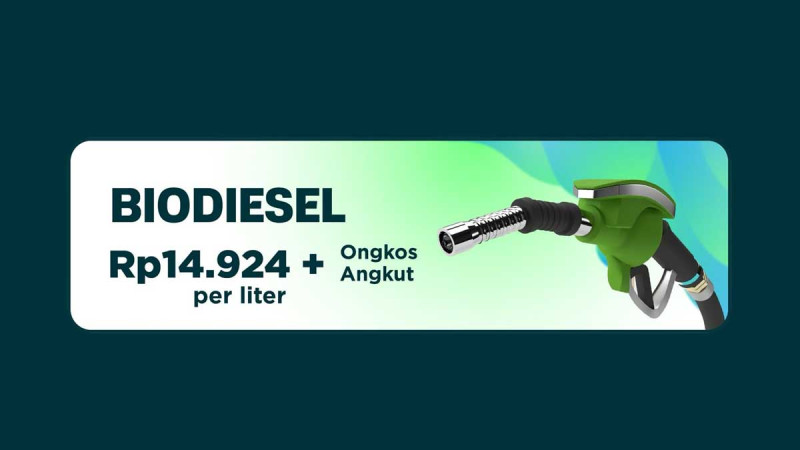
While production is expected to rise, Azis cautioned the government to be careful in implementing mandatory biodiesel policies. "This policy must be carefully designed to avoid sacrificing exports and national foreign exchange," he stated.
GAPKI also sees significant opportunities in renewable energy development, including the establishment of biodiesel refineries specifically from palm oil. Additionally, they are exploring the potential for productivity increases through the exploration of superior seeds from Africa and the introduction of new pollinator insect species believed to accelerate fruiting and enhance harvest yields.
In the realm of human resources, GAPKI continues to promote workforce professionalization by launching the Palm Oil Generation Scholarship Program (GKS) to cultivate young experts in the sector.
In the long term, GAPKI urges the government to simplify regulations and improve public services, particularly in plantation licensing. Harmonizing regulations across ministries is deemed crucial for accelerating the transformation of the national palm oil industry towards greater efficiency and sustainability.
"If all parties – the government, business actors, and farmers – can work together with a shared vision, we are confident that Indonesia's palm oil industry can become more competitive in the global market while remaining sustainable," Azis concluded. (T2)