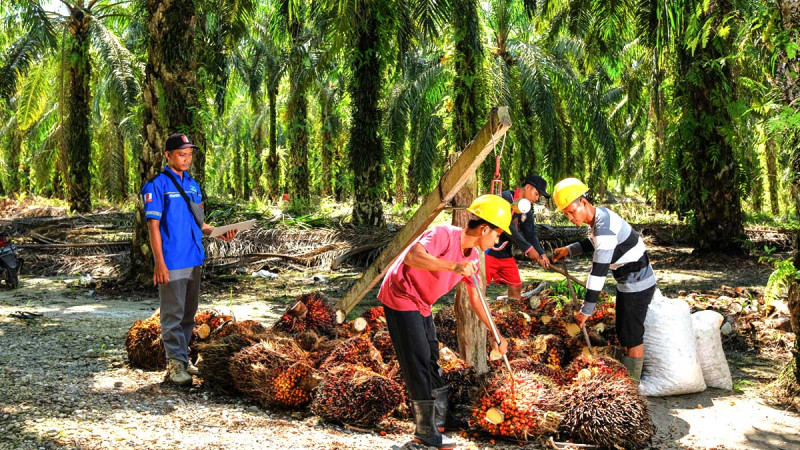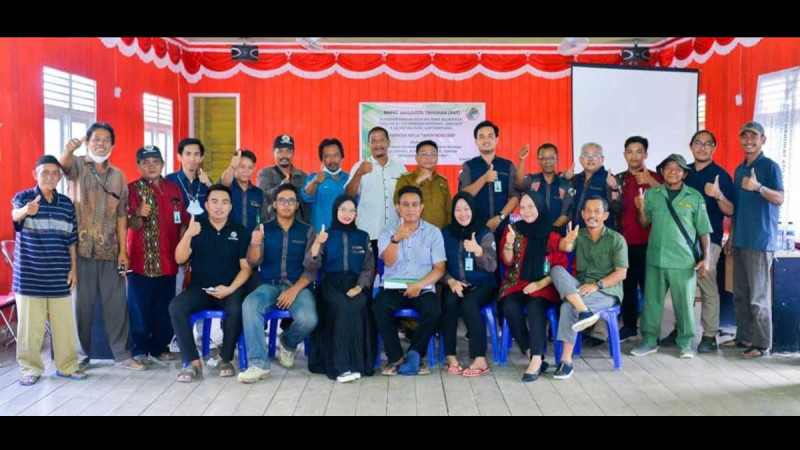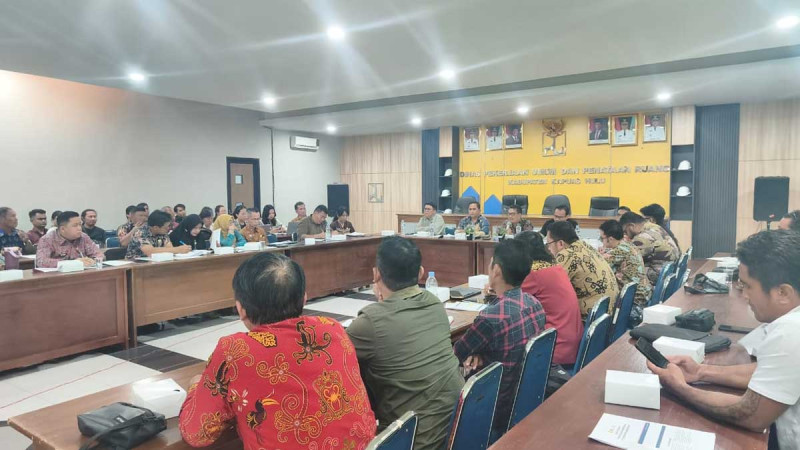

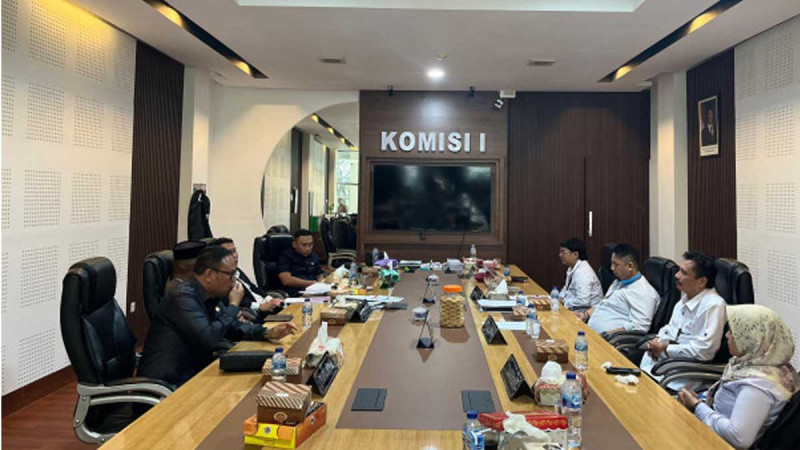
InfoSAWIT, GORONTALO — The palm oil industry in Gorontalo Province is once again under scrutiny. This time, attention comes from the Indonesian Ombudsman Representative in Gorontalo, which held a special meeting with the Special Committee (Pansus) on Palm Oil of the Gorontalo Provincial DPRD. The meeting took place on Monday at the Gorontalo Provincial DPRD building to discuss several crucial issues in the management of this strategic commodity.
During the forum, both parties delved into various aspects of palm oil industry governance, including potential maladministration, regulatory overlaps, and issues that could lead to losses for the community, particularly plasma farmers.
“Nationally, the Ombudsman has conducted a Systematic Study of the palm oil industry, including examining 52 institutions involved in this sector,” stated Muslimin B. Putra, Head of the Ombudsman Representative in Gorontalo. He explained that the study, led by Ombudsman RI member Yeka Hendra Fatika, uncovered various fundamental issues.
According to Muslimin, the Ombudsman’s study categorized palm oil issues into four main aspects: land, licensing, trade governance, and institutional matters. “These four aspects are interconnected, and if not managed properly, they can lead to legal uncertainties and injustices for farmers,” he said, as reported by InfoSAWIT from the Ombudsman RI on Sunday (June 1, 2025).
One of the main concerns is the potential losses faced by plasma farmers, especially when the partnership schemes implemented by companies do not fully comply with regulations. Additionally, the lack of synchronization between central and regional regulations increases the potential for overlapping authorities.
In response to this situation, the Ombudsman has provided five recommendations for improvement to the central government. These recommendations emphasize the importance of cross-sector policy integration, improving partnership governance, and ensuring transparency in licensing and land distribution.
Muslimin also revealed that during the period from 2020 to 2025, the Ombudsman Gorontalo received several reports from the public directly related to the palm oil industry. These reports highlighted land conflicts, farmers' access to plasma rights, and ambiguities in the distribution of partnership harvests.
“This is not just a business issue; it concerns the rights of the community and the sustainability of agrarian governance. Therefore, cross-agency coordination like this is crucial to finding fair solutions,” he asserted.
The meeting between the Ombudsman and the DPRD marks the beginning of a joint effort to improve palm oil governance in Gorontalo. With the increasing role of palm oil in the local economy, prioritizing farmers and clarifying regulations are essential foundations for a fair and sustainable industry. (T2)