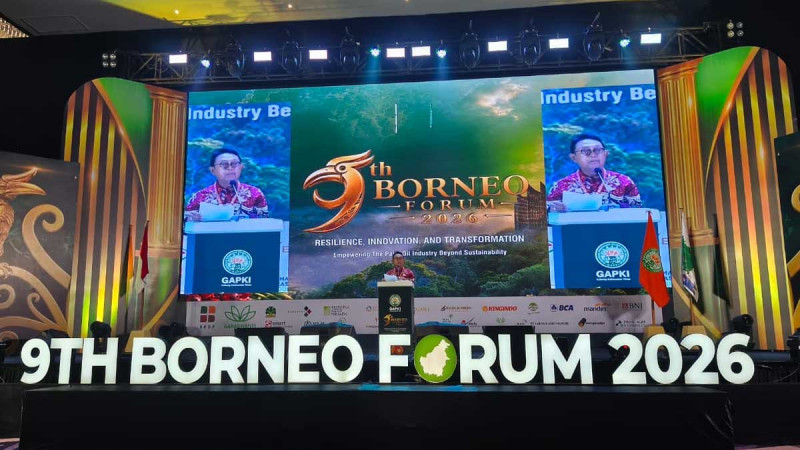
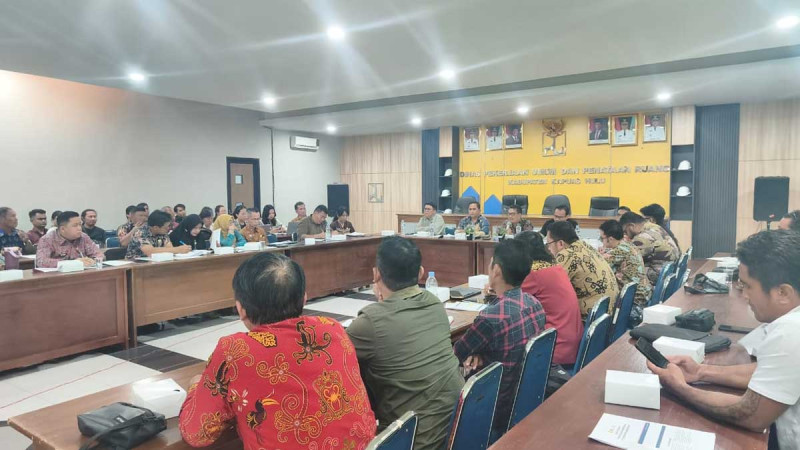
InfoSAWIT, JAKARTA – Musdhalifah Machmud, Deputy Secretary General of the Council of Palm Oil Producing Countries (CPOPC), emphasized the need to improve palm oil productivity as a key factor in enhancing smallholder welfare without expanding land area. She expressed this during an international forum on the future of palm oil and its role in sustainable development.
“Productivity must be the main focus. Palm oil farmers should increase yields from existing land to improve their livelihoods without clearing new areas,” Musdhalifah stated during a press conference attended by InfoSAWIT on Wednesday, May 28, 2025.
She also stressed the importance of closer international collaboration—among producing and consuming countries, as well as with global organizations—to strengthen palm oil's position in the global supply chain and address sustainability challenges.
“We need to spread awareness that palm oil is not only essential for livelihoods and welfare but also plays a major role in global climate goals,” she added.
Musdhalifah also highlighted the importance of involving youth in the palm oil industry. Educating younger generations on the health, economic, and climate benefits of palm oil is crucial for long-term sustainability.
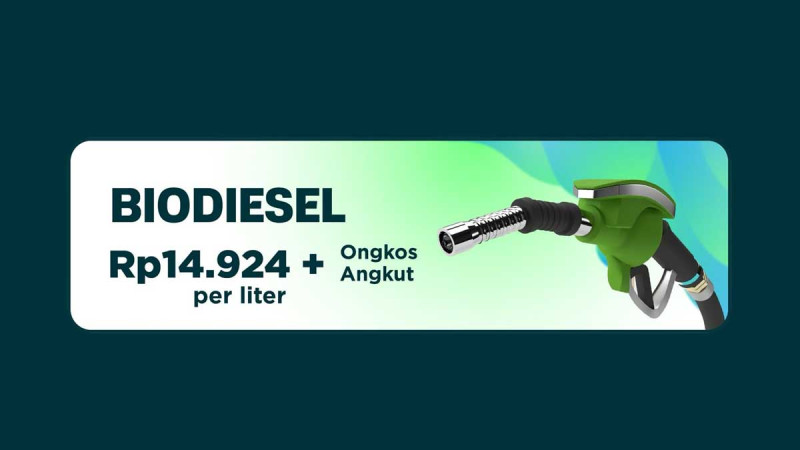
Furthermore, she explained that CPOPC continues to encourage producer countries to expand biodiesel use as part of the transition to renewable energy. In Indonesia, palm-based biodiesel is considered a strategic measure to reduce fossil fuel dependence.
“Our government is being urged to widen biodiesel use. Palm oil is among the best renewable energy sources to replace fossil-based diesel,” she stated.
In terms of climate commitments, both Indonesia and Malaysia have set ambitious targets for net-zero emissions—Malaysia by 2050 and Indonesia by 2060.
“Both countries have a clear path toward global climate goals. We’re confident in our commitments,” she said.
Musdhalifah also mentioned CPOPC’s membership in the Global Biofuels Alliance (GBA), an international renewable energy alliance that includes countries like Indonesia and Brazil, as evidence of global recognition for palm oil’s renewable potential.
“Through GBA, we will continue to promote palm oil as a major feedstock for bioenergy to meet growing global demand,” she concluded.
Through a productive and collaborative approach, CPOPC aims to position palm oil as a global solution—supporting farmer welfare, environmental sustainability, and clean energy transition.
(T2)