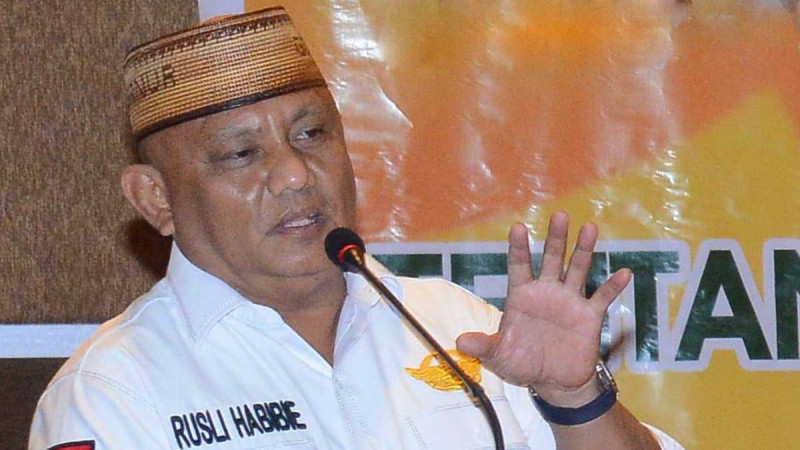
InfoSAWIT, JAKARTA – Member of Commission XII of the Indonesian House of Representatives (DPR RI), Rusli Habibie, has voiced strong support for the government’s plan to implement the B50 biodiesel program in 2026. He emphasized that this initiative demonstrates Indonesia’s firm commitment to accelerating the transition toward low-carbon energy while enhancing national energy security.
“The push toward B50 must be a collective effort. This is not only about renewable energy but also a strategic path to safeguarding energy resilience and increasing the added value of palm oil,” said Rusli, as quoted by InfoSAWIT from Koran Jakarta, Monday (May 26, 2024).
According to Rusli, the policy initiated by the Ministry of Energy and Mineral Resources (MEMR) is a crucial strategy that not only addresses environmental concerns but also directly supports community welfare through downstream development in the palm oil industry.
However, he highlighted the need to maintain a balance between palm oil use for energy and for food. “We must avoid a situation where energy development disrupts food supply. This balance must be a key priority,” he stressed.
Representing the electoral district of Gorontalo and serving in Commission XII, which oversees energy, mineral resources, and environmental affairs, Rusli considers the palm oil sector to be more inclusive than the mining sector. He underlined the importance of involving farmers, cooperatives, and micro, small, and medium enterprises (MSMEs) in downstream activities to ensure more equitable economic benefits.
“The palm oil sector has a broad base of stakeholders. If community involvement is well-planned, it can become a driving force for grassroots economic growth,” he added.
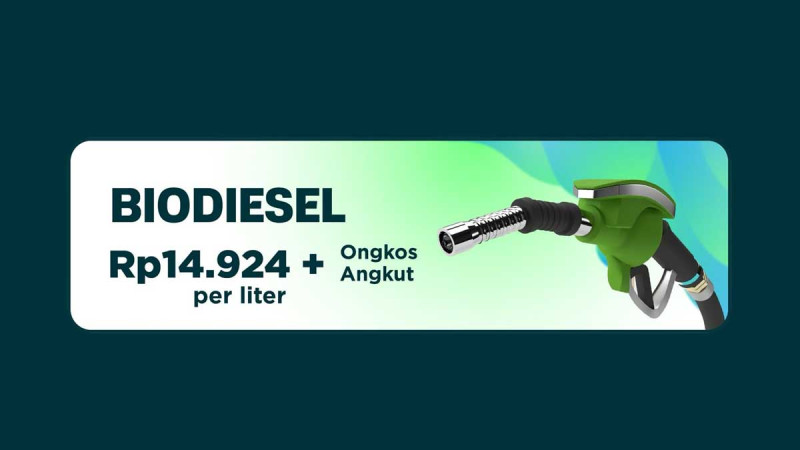
The B50 program is an extension of the B40 policy that began in early 2025. The B50 blend consists of 50% palm-based biodiesel and 50% conventional diesel.
The government aims to save up to US$20 billion annually by reducing diesel imports. Indonesia’s current biodiesel production capacity stands at 19.6 million kiloliters, with an estimated additional 4 million kiloliters needed to meet B50 demand.
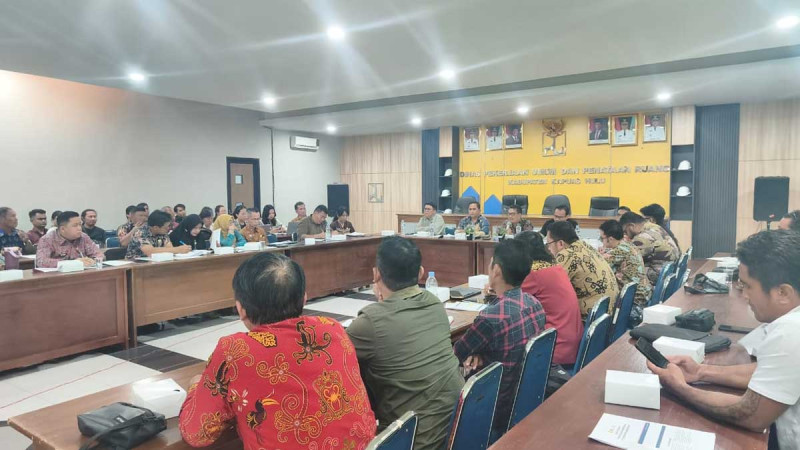
Rusli stated that Commission XII is committed to overseeing the program’s implementation. This includes ensuring regulatory support, monitoring execution, and encouraging synergy between the government, industry players, and palm oil farmers to achieve fair and sustainable outcomes. (T2)