InfoSAWIT, JAKARTA — Global trade disparities in the agricultural sector are once again in the spotlight. Palm oil plantation practitioner who is also a plantation observer and former President Director of PT Astra Agro Lestari Tbk., Maruli Gultom, emphasized the importance of Indonesia fighting for fair prices for its agricultural products which have so far only been exported in the form of raw materials.
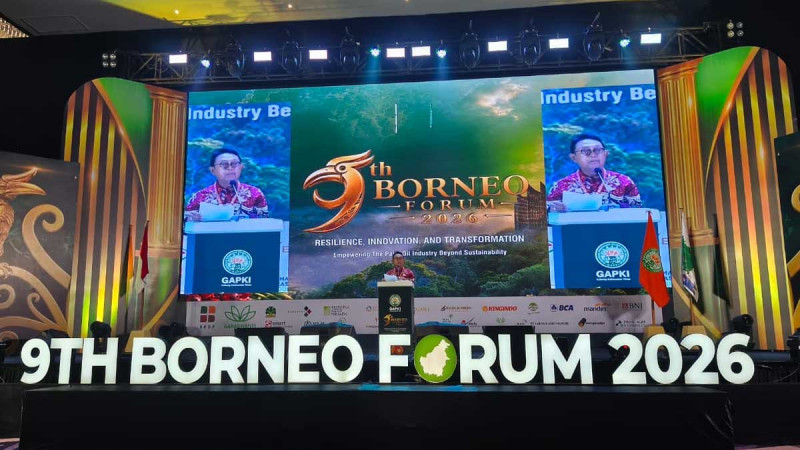
This statement was delivered at the International Food & Agricultural Trade Policy Council (IPC) forum in Stratford-upon-Avon, England, several years ago, which was attended by global food industry players such as Nestlé, Unilever, and Procter & Gamble. In the forum, Gultom represented Indonesia in a discussion on environmental sustainability in palm oil and biofuel production.
“I found English Tea branded tea bags in my hotel room. But since when did the British grow tea?” Gultom asked in his presentation quoted InfoSAWIT from his official blog, Kamsi (22/5/2025). He criticized the dominance of Western countries in trading commodities that they never planted, such as tea, coffee, cocoa, rubber including palm oil.
According to Gultom, the inequality occurs because the added value of agricultural products is fully enjoyed by developed countries. "The price of branded tea bags can reach 40 to 80 times the price of tea leaves received by farmers," he said.
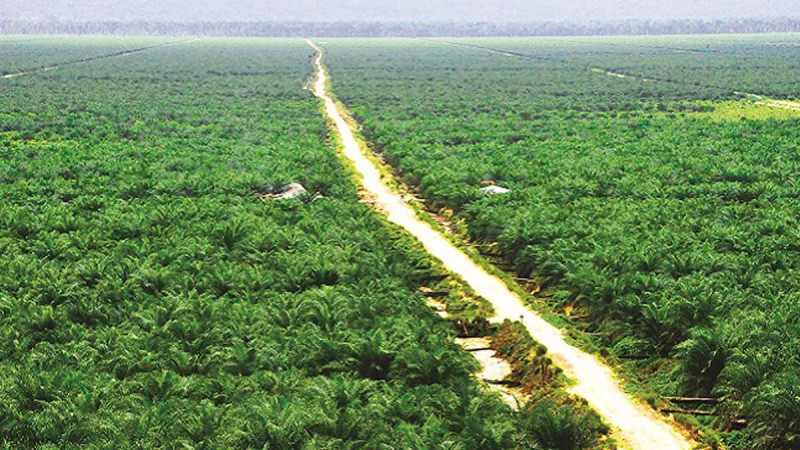
He also mentioned similar disparities in the palm oil sector. Although Indonesia is the world's largest producer of CPO (Crude Palm Oil), the largest added value remains in the hands of downstream product producers abroad.
Maruli Gultom stressed that the problem is not Indonesia's status as a supplier of raw materials, but the inability to use that position as a bargaining power. "As the world's main supplier, we have the right to demand fair prices for our agricultural products," he said.
He cited the success of oil-producing countries that are members of OPEC in regulating supply to influence global prices. Something similar, he said, could be applied by countries producing commodities such as palm oil, rubber, and cocoa.
"Imagine if we reduce the supply of palm oil or rubber to the world market. Big companies like Nestlé or Michelin will not stay silent. Limited supply will push prices up, and that benefits our farmers," Gultom said.
He also criticized the government's policy which is still trapped in the export of raw materials, such as crude oil exports and fuel imports due to limited domestic refineries.
Closing his statement, Gultom urged the government to be smart in taking real steps to create a fairer trading system. "We have been hungry rats in a rice barn for too long. It's time for us to change direction," he said. (T2)