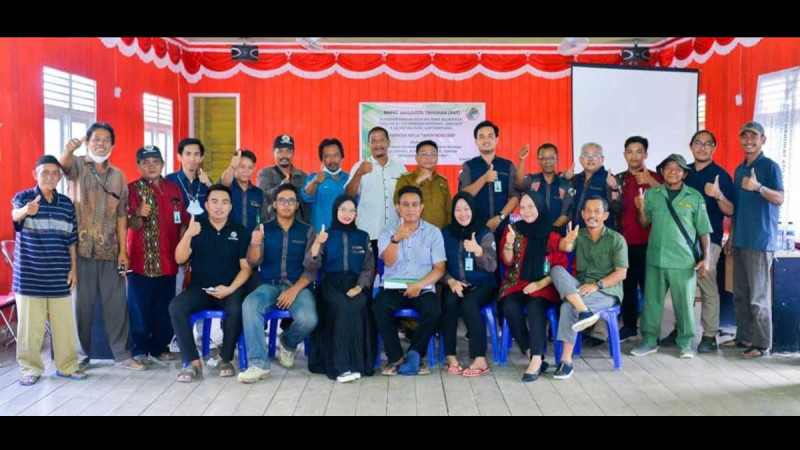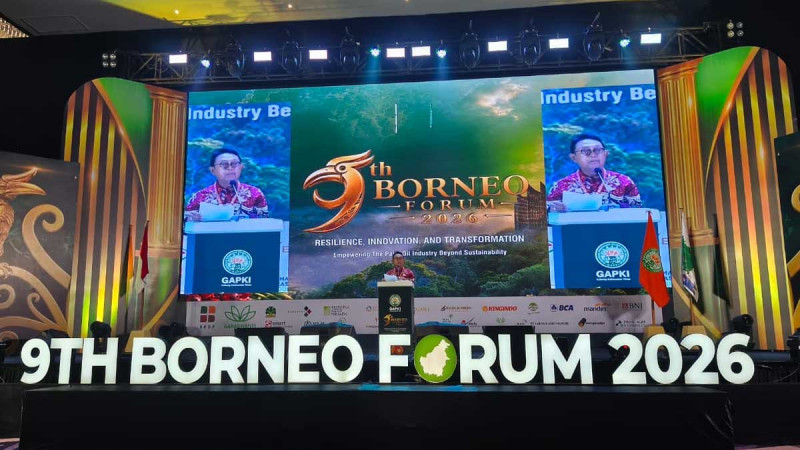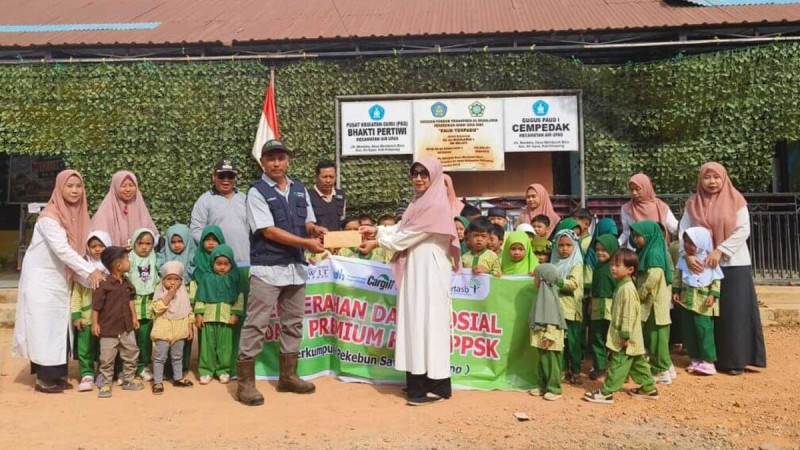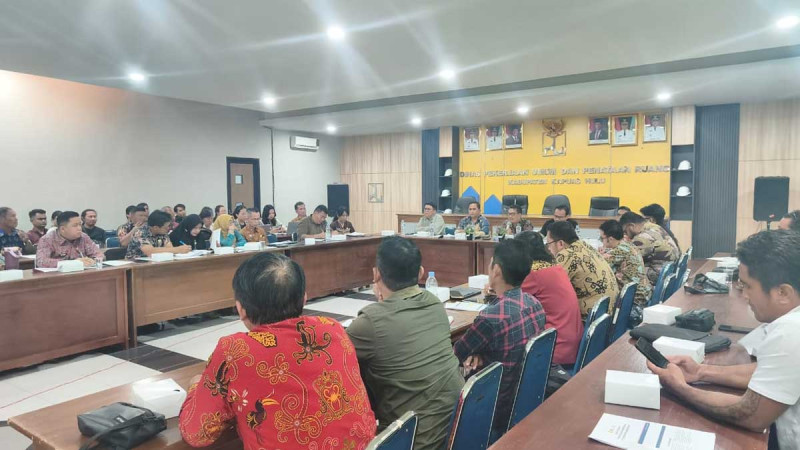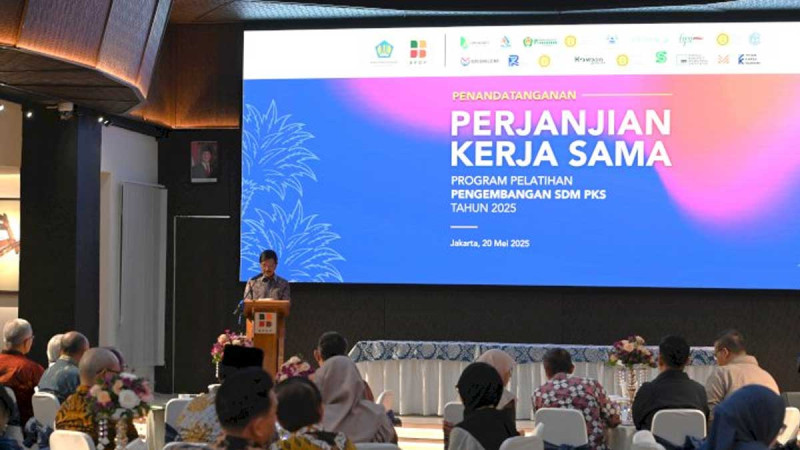
InfoSAWIT, JAKARTA – The Indonesian Palm Oil Plantation Fund Management Agency (BPDPKS) has reaffirmed its commitment to strengthening the national palm oil industry by improving the quality of human resources. This was marked by the signing of a cooperation agreement for the 2025 palm oil human resource development training program, which was held in Jakarta and attended by various stakeholders, including training institutions and representatives of local governments.
BPDP President Director Eddy Abdurrachman said the palm oil subsector is still an important pillar of the national economy. He referred to BPS data which recorded the contribution of the plantation subsector to the agricultural sector's GDP reaching more than 30 percent in 2023. In terms of exports, palm oil contributed more than 75 percent of total plantation commodity exports.
However, Eddy reminded that the national palm oil industry still faces major challenges, ranging from suboptimal land productivity, slow rejuvenation programs, to international regulatory pressures such as the EUDR and policies of trading partner countries.
"The answer to all these challenges is improving the quality of human resources," Eddy was quoted as saying. InfoSAWIT from BPDP, Wednesday (21/5/2025).
For this reason, the 2025 palm oil HR training program is designed to target 10,786 participants in 17 provinces and 40 districts. BPDP is working with 18 training institutions that have passed the selection. The value of this year's cooperation reaches IDR 160.6 billion, covering technical training in cultivation, managerial, entrepreneurship, and leadership.
PKS Human Resources Development Committee Chairman, Darmansyah, added that the success of the training program is highly dependent on the readiness of the training institution. He emphasized the importance of providing adequate training facilities, competent teaching staff, and good coordination with the regional plantation office and field facilitators.
"We want this training to have a real impact, not just ceremonial. So the quality of the teachers and communication are key," he said.
After the signing session, the activity continued with technical guidance by the Head of BPDP Service Program Division, Arfie Thahar. He explained the training mechanism, including fund disbursement, financing components, and activity reporting.
BPDP Fund Distribution Director, Alfansyah, closed the event by emphasizing the importance of maintaining the quality of training. "We are not only pursuing the number of participants, but also the quality of training results. Palm oil human resources must have technical competence and a competitive spirit," he said.
Since its inception in 2016, BPDP's palm oil HR training program has reached 18,477 participants. BPDP is committed to continuing to expand the scope and impact of this program so that more and more farmers can benefit from it. (T2)