InfoSAWIT, JAKARTA — The increase in the Export Levy (PE) on crude palm oil (CPO) from 7.5% to 10%, effective from May 17, 2025, is not merely a routine fiscal policy. This move is viewed as a key instrument in ensuring the sustainability of funding for the biodiesel energy transition program, particularly in anticipation of the mandatory B50 implementation in 2026.
Deputy Minister of Energy and Mineral Resources (ESDM) Yuliot Tanjung emphasized that the additional levy will strengthen the position of the Palm Oil Plantation Fund Management Agency (BPDP) in financing national biodiesel compensation and subsidies. "With this adjustment in outgoing costs, we hope BPDP funds will be sufficient, allowing for the acceleration of B50 and even B60 progress," Yuliot stated, as reported by InfoSAWIT from Kontan on Monday (May 19, 2025).
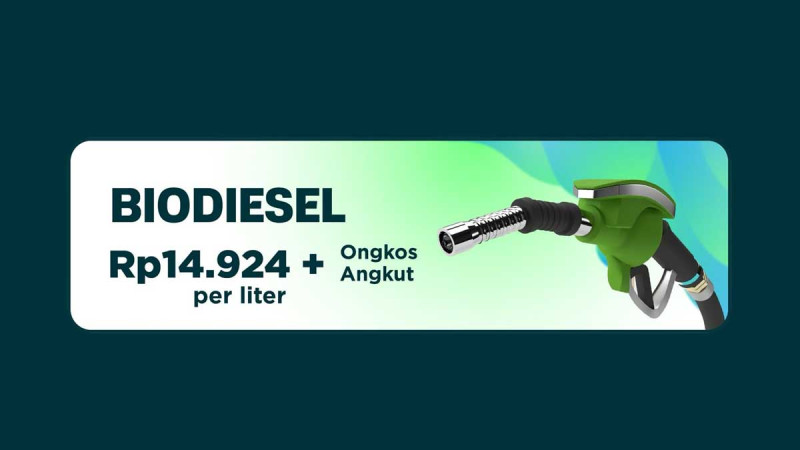
The biodiesel program in Indonesia has indeed relied heavily on funding support from the CPO PE managed by BPDP. This fund is used to bridge the price gap between fossil fuels and biodiesel based on Fatty Acid Methyl Ester (FAME), ensuring that consumer prices remain affordable.
With the additional PE of 2.5%, the government is enhancing BPDP's fiscal capacity to accelerate two simultaneous objectives: increasing the bioenergy mix through the B50 program and expanding the People's Palm Oil Rejuvenation (PSR). Both programs are the backbone of Indonesia's sustainable energy and agricultural strategy.
"In addition to biodiesel subsidies, this fund also supports PSR. This means it's not just about energy, but also about the productivity of palm oil farmers and the competitiveness of the national downstream industry," Yuliot explained.
From an implementation perspective, the B40 program, which began in early 2025, has already shown positive results. Yuliot assured that the FAME industry is ready to supply B50 needs starting in early 2026, without disrupting export or domestic consumption needs.
This government action also addresses doubts about the continuation of the biodiesel program amid tight fiscal conditions. Previously, Coordinating Minister for Economic Affairs Airlangga Hartarto had announced plans for this PE increase since late 2024 as part of a medium-term fiscal strategy for national energy resilience.
Fiscal support through CPO PE marks a transformation in the government's approach, shifting from mere technical regulations to integrative policies that connect the palm oil industry, renewable energy, and palm oil-based rural development.
This policy also affirms that Indonesia's energy transition will proceed with a distinctive approach: not solely relying on solar and wind energy but also leveraging the significant potential of sustainably and inclusively managed palm oil. (T2)