InfoSAWIT, JAKARTA — The Palm Oil Farmers Union (SPKS) has expressed its rejection of the government's latest policy to increase the export levy (PE) on palm oil and its derivatives from 7.5% to 10%, as stated in the Minister of Finance Regulation (PMK) No. 30/2025, which takes effect on May 17, 2025.
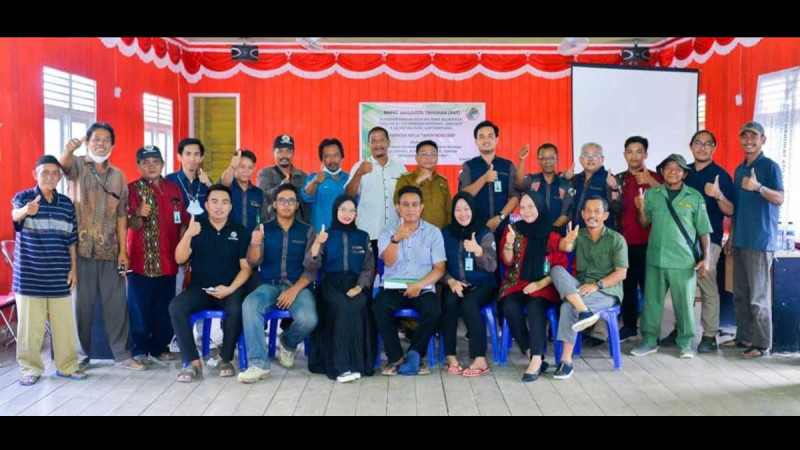
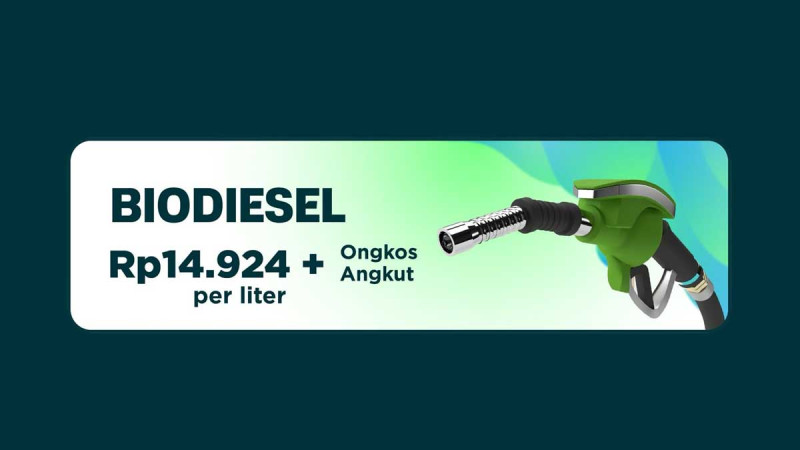
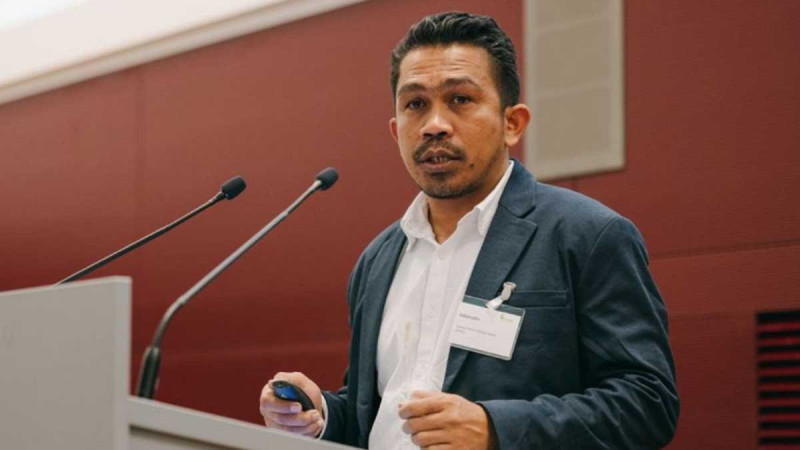
SPKS Chairman Sabarudin believes that this policy once again demonstrates the government's bias towards large industries, particularly conglomerates involved in the biodiesel business. He stated that the increase in the export levy is merely to support the B40 biodiesel program through increased funds managed by the Palm Oil Plantation Fund Management Agency (BPDPKS).
"This levy is not for farmers, but for subsidizing the biodiesel program controlled by conglomerates. To date, around IDR 150 trillion in levy funds has been disbursed for biodiesel subsidies, yet palm oil farmers still do not receive fair partnerships and prices," Sabarudin stated in a press release received by InfoSAWIT on Monday (May 19, 2025).
SPKS expressed concern that this increase in levies will directly impact the price of fresh fruit bunches (TBS) at the farmer level. According to their calculations, farmers could experience a price drop of up to IDR 500 per kilogram of TBS. This has happened before in January when the levy was raised to the same level.
"This increase in levies will directly pressure the price of TBS for farmers. This pattern has repeated itself, and the most disadvantaged are small farmers," he added.
SPKS also criticized the imbalance between the industry and farmers. To date, companies receiving biodiesel subsidies are not required to establish partnerships with palm oil farmers. SPKS believes that if partnerships were mandated, farmers could achieve better selling prices, no longer depend on middlemen, and contribute to improving farmers' welfare.
"We urge the government to make partnerships a requirement for companies receiving biodiesel subsidies. This will serve as a tangible verification instrument to determine whether companies truly contribute to farmers' welfare," Sabarudin said.
Furthermore, SPKS encourages that more palm oil levy funds be directed towards farmers' needs, such as road construction, fertilizer assistance, and funding for ISPO (Indonesian Sustainable Palm Oil) certification. This aligns with Presidential Regulation No. 16/2025, which states that the costs of ISPO certification will be borne by BPDPKS.
"We must not allow high levies without direct benefits for farmers. If TBS prices remain low, how can farmers manage their plantations effectively? Ultimately, farmers' welfare continues to be marginalized," Sabarudin concluded.
SPKS hopes the government will be more sensitive to the aspirations of small palm oil farmers who have been the backbone of production but often overlooked in strategic policy considerations. (T2)