InfoSAWIT, JAKARTA – Indonesia's Palm Oil Farmers Organization Association (POPSI) has raised concerns over the challenges facing smallholder oil palm farmers as President Prabowo Subianto's administration enters its second year. The association pointed to pressure on fresh fruit bunch (FFB) prices, limited support for smallholder replanting, rising production costs, and uncertainty over market access.
POPSI Chairman Mansuetus Darto said government policies had yet to provide sufficient certainty for smallholder businesses, even as Indonesia pursues downstream palm oil development and expands its biodiesel program.
“The second year of the Prabowo administration should be an opportunity to improve national palm oil governance and farmers' welfare. Instead, farmers continue to face uncertainty,” Darto said in a statement received by InfoSAWIT on Wednesday, October 21, 2026.
POPSI also raised concerns about the management of seized oil palm plantation assets and the establishment of Danantara Sumber Daya Indonesia (DSI). It called for transparent asset management, legal certainty, and fair competition across the palm oil supply chain.
The association warned that barriers to selling downstream palm oil products could disrupt mill operations and FFB absorption, potentially leading to restricted purchases or lower prices for farmers.
Stronger Replanting and Infrastructure Support Needed
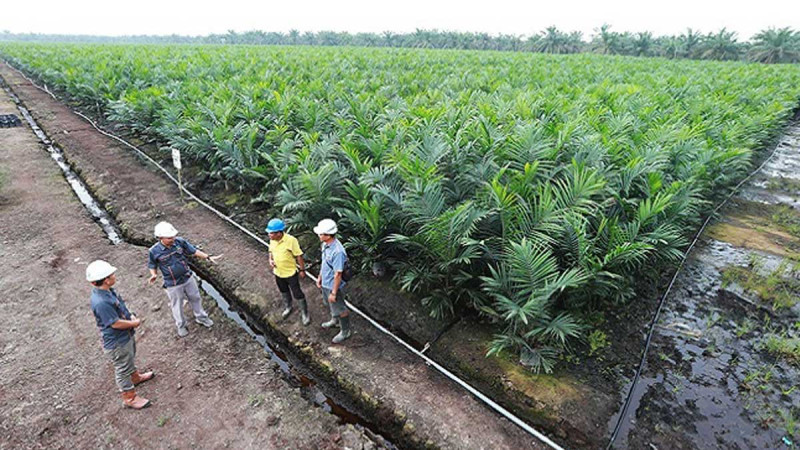
At the upstream level, POPSI said the government's Smallholder Oil Palm Replanting (PSR) program and infrastructure support through the Plantation Fund Management Agency (BPDP) needed strengthening.
Replanting requires adequate financing, high-quality planting material, technical assistance, and livelihood support while immature palms generate no income. Poor roads and long distances to mills also increase transportation costs, reducing farmers' net earnings.
POPSI warned that budget efficiency measures could weaken local government assistance for farmer registration, institutional development, cultivation registration certificates (STDB), and productivity improvements.
EUDR and B50 Raise Further Questions
The association also highlighted compliance challenges linked to the European Union Deforestation Regulation (EUDR) and the Indonesia–European Union Comprehensive Economic Partnership Agreement (IEU-CEPA). It urged the government to provide a clear roadmap, technical assistance, and accessible traceability systems without imposing excessive administrative burdens on smallholders.
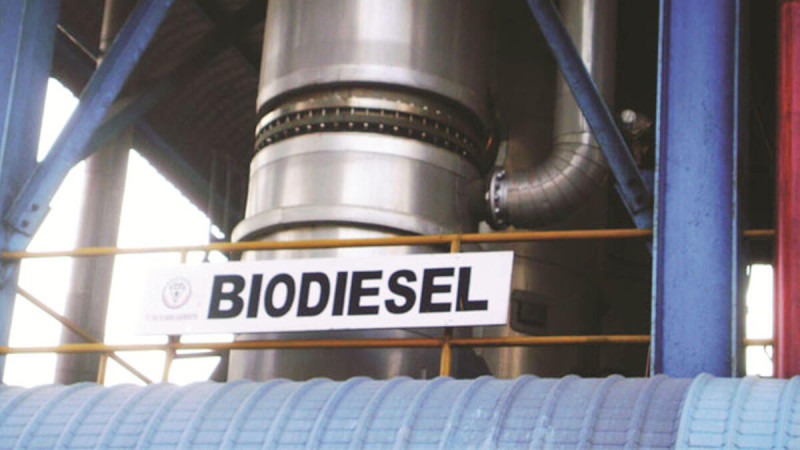
POPSI also called for a transparent assessment of Indonesia's planned B50 biodiesel mandate, including its potential effects on CPO prices, FFB prices, industrial costs, and farmer incomes.
“If the government wants to build a strong palm oil industry, farmers must be at the center of that development, not merely suppliers of raw materials who bear all the consequences,” Darto said.
POPSI urged the government to review its palm oil policies, strengthen replanting and infrastructure support, ensure reliable FFB absorption, and clarify governance arrangements for seized plantations, DSI, and export market access.
The association said the industry's success should be measured not only by investment, exports, and biodiesel capacity, but also by fair prices, plantation productivity, business certainty, and smallholder welfare. (T2)