InfoSAWIT, BRUSSELS – The European Biodiesel Board (EBB) has welcomed a proposal by Germany and France on carbon dioxide (CO2) emissions standards, saying it recognizes the contribution of sustainable renewable fuels to reducing emissions from road transport across the European Union.
According to Biofuels International, as reported by InfoSAWIT, the industry association described the proposal as a step towards a technology-neutral approach to decarbonization. However, it noted that several provisions still require further clarification.
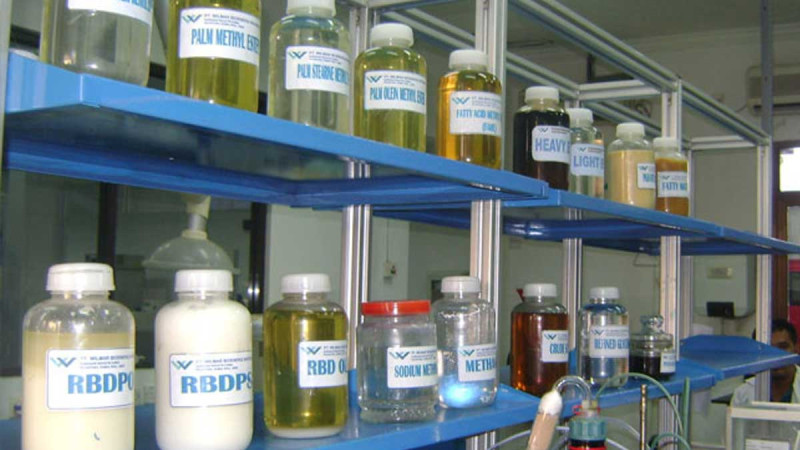
EBB represents European producers of fatty acid methyl ester (FAME), hydrotreated vegetable oil (HVO), and hydroprocessed esters and fatty acids (HEFA), which can also be used in the production of sustainable aviation fuel.
The German-French proposal supports a 90% reduction target for vehicle emissions while recognizing that a complete phase-out of internal combustion engines could overlook the growing contribution of renewable fuels to the EU's energy mix.
However, EBB expressed disappointment that the proposal did not include an alternative pathway or additional incentives through a renewable fuel credit mechanism, as outlined in the Salini report. The association argues that such a mechanism could directly encourage wider adoption of renewable fuels in transport.
The proposal also introduces a new category of zero-emission vehicles powered exclusively by qualifying renewable and low-carbon fuels, providing an alternative route for the automotive industry to meet the EU's ambitious road transport emissions targets.
EBB Secretary General Xavier Noyon described the proposal as significant progress but stressed that fuel eligibility must continue to follow the criteria established under the EU Renewable Energy Directive (RED).
He warned that excluding feedstocks already compliant with RED requirements could undermine solutions that are currently contributing to decarbonization efforts.
EBB also welcomed the proposal's emphasis on fuel production within the EU and said it was ready to work with European lawmakers to support implementation.
For the biodiesel and renewable fuels industries, the proposal could create opportunities for a broader role in Europe's transport decarbonization strategy. Its ultimate impact, however, will depend on clear eligibility rules and policies that support sustainable fuel deployment. (T2)