

InfoSAWIT, JAKARTA — Indonesia’s domestic palm oil consumption is projected to exceed exports for the first time in the annual outlook series published by Indonesia Palm Oil Strategic Studies (IPOSS), reflecting growing demand for palm oil within the country, particularly for the B50 biodiesel program.
In its fourth-quarter 2026 outlook, titled Maintaining Room for Growth Amid a New Balance, published on October 14, IPOSS forecasts that domestic consumption will account for 51.3% of Indonesia’s total palm oil utilization in 2026. Exports are projected to represent the remaining 48.7%.
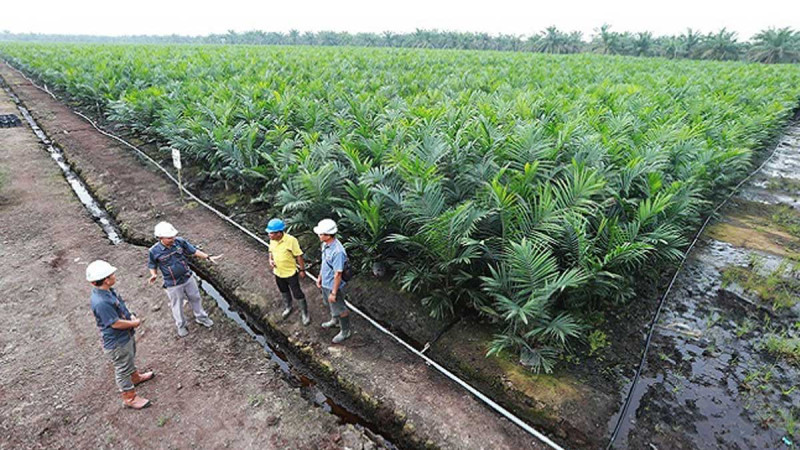
The shift comes as national production growth remains relatively modest. IPOSS estimates that Indonesia will produce 52.4 million tonnes of palm oil in 2026, an increase of just 1.86% from 2025.
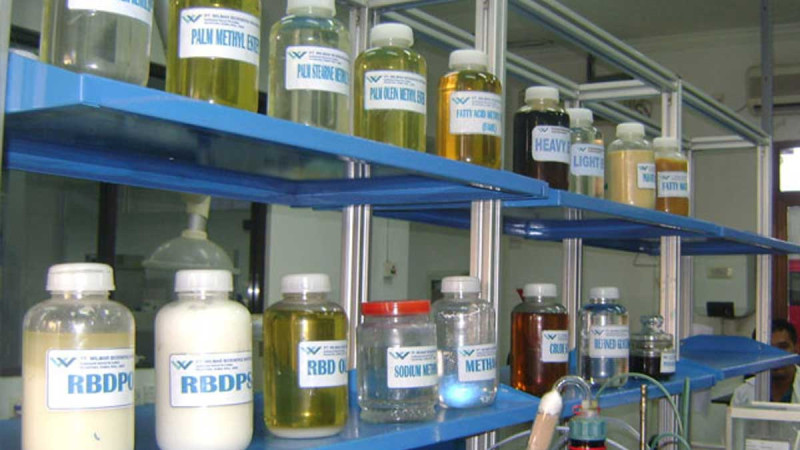
Meanwhile, domestic consumption is projected to rise 7.4% to approximately 27.1 million tonnes, driven primarily by increased demand for biodiesel feedstock following the implementation of the B50 mandate in July 2026.
The widening gap between production growth and domestic demand is expected to tighten the allocation of available palm oil supplies, creating challenges for policymakers seeking to maintain domestic availability while preserving export capacity.
“The issue is not choosing between biodiesel and exports. Both are important to Indonesia. The challenge is ensuring that palm oil production can keep pace with growing domestic demand, so that strengthening energy security does not continually narrow export opportunities,” IPOSS Director Nanang Hendarsah said in an official statement received by InfoSAWIT on Thursday, October 15.
Production Growth Key to Balancing Biodiesel and Exports
IPOSS argues that rising domestic consumption must be accompanied by stronger national production capacity.
The outlook highlights the need to consider energy security, export sustainability and plantation productivity as interconnected priorities rather than competing objectives.
With biodiesel demand increasing under the B50 program, the availability of sufficient palm oil supplies will become increasingly important to Indonesia’s domestic energy strategy and its position in international vegetable oil markets.
Maintaining production growth could help the country meet its domestic fuel requirements while continuing to supply export markets.
IPOSS’s fourth-quarter outlook encourages stakeholders across the palm oil industry to pursue a balanced approach that strengthens domestic energy resilience without undermining export competitiveness.
The projections underscore a structural change in Indonesia’s palm oil market, as domestic industrial demand takes on a larger role in determining how the country’s production is allocated. (T2)