InfoSAWIT, KUALA LUMPUR – Malaysia’s monsoon season, expected to begin in December, could help cushion the impact of a potential Super El Niño on the country’s palm oil production. However, rainfall patterns over the coming months will remain a key factor in determining the extent of weather-related pressure on output in 2027.
Malaysian Palm Oil Council (MPOC) Chief Executive Officer Belvinder Sron said the impact of El Niño on palm oil production typically emerges after a lag of around nine to 12 months.
Speaking to Bernama, Belvinder pointed to the previous Super El Niño in 2015, which was followed by a 13% decline in Malaysia’s palm oil production the following year, equivalent to roughly 2.6 million tonnes.
However, he noted that dry weather conditions in 2026 have developed more slowly than during the 2015 event. As a result, rainfall between September and November will be crucial in determining the severity of drought conditions and their potential impact on Malaysian palm oil production in 2027.
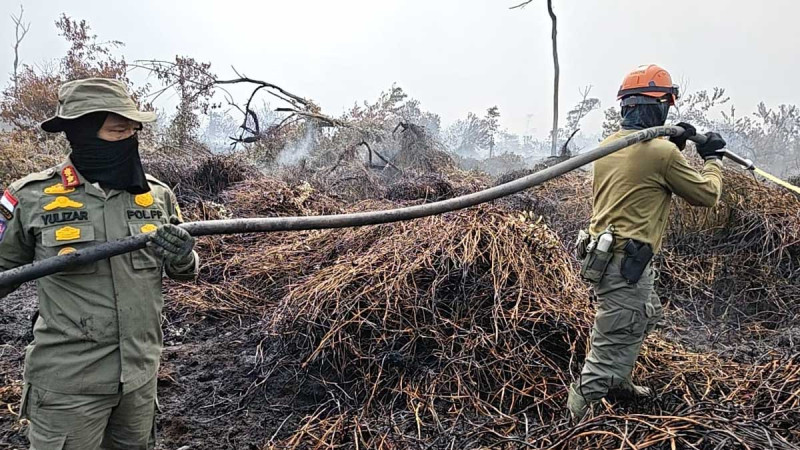
The effects of El Niño across Southeast Asia are not expected to be uniform. In Indonesia, weather conditions have become drier since late June, particularly in Sumatra and Kalimantan. Malaysia, meanwhile, has yet to experience what would be considered critical drought conditions, although temperatures have continued to rise.
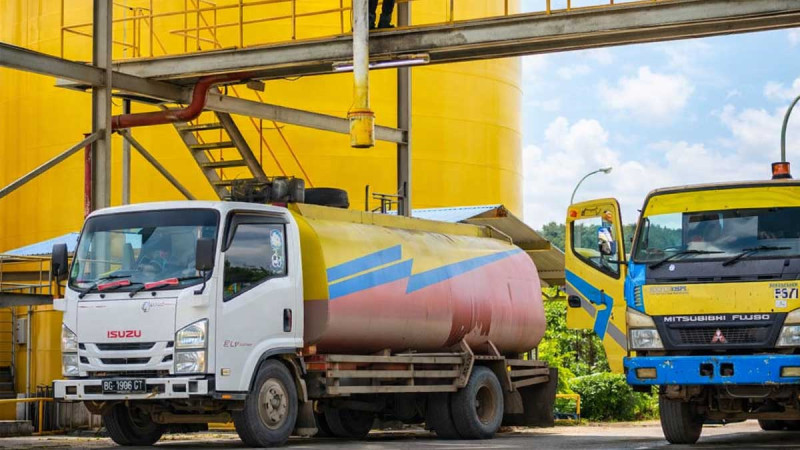
In the short term, drier weather can actually benefit plantation operations. Better access to plantations can make harvesting more efficient, while the transportation of fresh fruit bunches (FFB) to palm oil mills can face fewer disruptions than during periods of heavy rain and flooding.
The risks become more significant if dry conditions persist for more than three consecutive months.
Low rainfall, high temperatures and declining soil moisture can place physiological stress on oil palm trees. The impact could subsequently be reflected in lower FFB production and reduced oil yields after a lag of approximately nine to 12 months.
“If FFB availability declines while demand remains stable, palm oil inventories could fall and market supplies could become tighter,” Belvinder said.
CPO Prices Expected to Remain Firm
Beyond production risks, the market is also factoring in the potential impact of El Niño on crude palm oil (CPO) prices.
Belvinder said Malaysian palm oil futures had climbed above RM4,900 per tonne in mid-August, while contracts for 2027 delivery had traded above RM5,000 per tonne. The movements reflect growing market concerns over possible production disruptions caused by El Niño.
However, the current strength in CPO prices is not driven solely by weather concerns.
Geopolitical tensions are also supporting the broader vegetable oil market. Disruptions to shipping in the Red Sea and reduced vessel traffic through the Strait of Hormuz have helped keep crude oil prices above US$80 per barrel.
The situation comes ahead of India's stock-replenishment period for the Diwali celebrations, providing additional support for the vegetable oil market, including palm oil.
Another factor being closely watched is Indonesia's growing domestic palm oil demand for its B50 biodiesel program. Belvinder expects demand could strengthen further after a three-month transition period to use up existing B40 biodiesel stocks ends in September.
The combination of strong domestic biodiesel demand in Indonesia and uncertainty surrounding palm oil production in 2027 has heightened market concerns over export availability next year.
Under these conditions, palm oil prices are expected to remain above RM4,600 per tonne in September and could stay above that level through the end of the year.
Malaysia's palm oil production typically reaches its seasonal peak in September or October before entering a declining phase during the fourth quarter.
Earlier, on August 18, Malaysia's Meteorological Department Director-General Dr. Mohd Hisham Mohd Anip said the probability of El Niño developing into the “very strong” or Super El Niño category between October and December had risen to more than 90%. (T2)
Source: InfoSAWIT