InfoSAWIT, JAKARTA – Indonesia is accelerating efforts to strengthen smallholder institutions through a new cooperative-based partnership model, with 1,135 palm oil cooperatives set to be integrated into the business ecosystem of PT Agrinas Palma Nusantara (Persero). The initiative aims to establish at least 250,000 hectares of plasma plantations under cooperative management as its initial target.
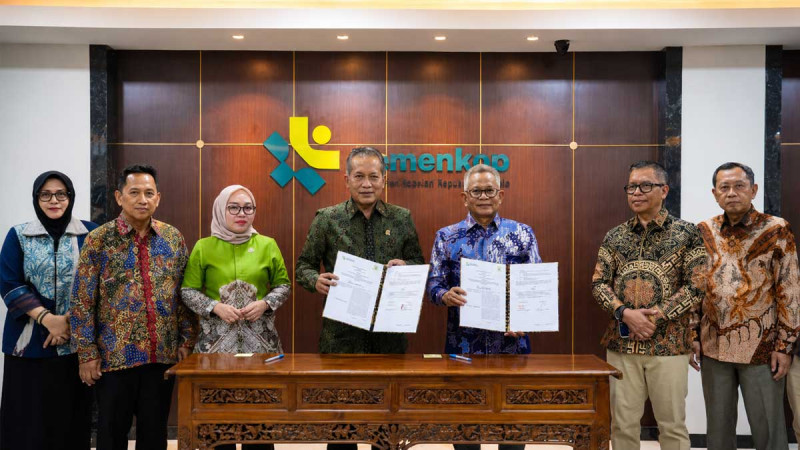
The strategic initiative was formalized through the signing of a Memorandum of Understanding (MoU) between the Ministry of Cooperatives and PT Agrinas Palma Nusantara (Persero) at the ministry's headquarters in Jakarta on July 2.
According to an official statement obtained by InfoSAWIT on Monday (July 6, 2026), Minister of Cooperatives Ferry Juliantono said the partnership is part of President's directive to strengthen the position of palm oil smallholders through cooperative institutions across the entire value chain—from plantation management to downstream processing.
Under the proposed model, Agrinas will serve as the nucleus company, while cooperatives will operate as plasma partners actively involved in plantation management and the industry's supply chain.
"We want to establish a business model in which PT Agrinas serves as the nucleus company, while palm oil cooperatives are developed as plasma partners. At least 20 percent of productive plantation land will be managed by cooperatives," Ferry said.
Currently, 1,135 cooperatives operating in Indonesia's palm oil sector have been identified to become part of the Agrinas ecosystem.
Beyond plantation management, the government also envisions cooperatives expanding into downstream processing to capture greater added value from the palm oil industry.
Ferry said cooperatives should begin participating in industrial activities, including the development of Crude Palm Oil (CPO) mills and the production of downstream products such as cooking oil and Red Cooking Oil (Minyak Makan Merah), which would be marketed through village cooperative networks.
"It is ironic that communities cultivating oil palm still have to queue for cooking oil. Cooperatives must become an instrument for creating a fairer palm oil trading system while improving farmers' welfare," he said.
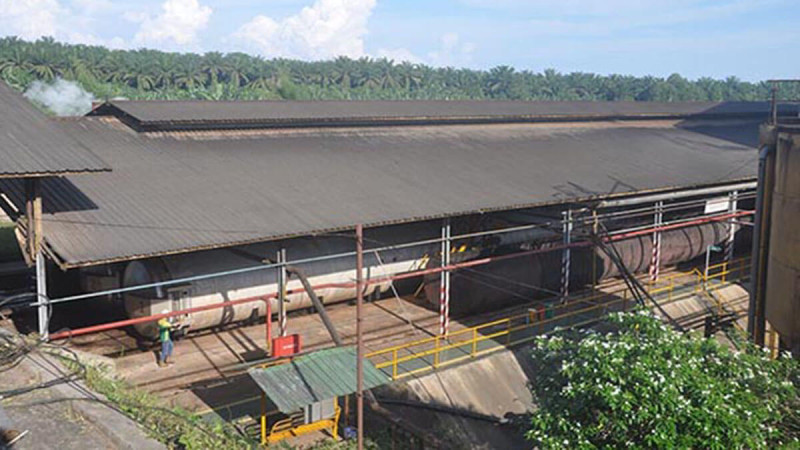
As part of the follow-up program, the Ministry of Cooperatives plans to inaugurate a cooperative-owned CPO mill in Musi Banyuasin, South Sumatra, by late July or early August as a pilot project for cooperative-based downstream development.
Meanwhile, Muhammad Abdul Ghani, President Director of PT Agrinas Palma Nusantara (Persero), revealed that the company has been mandated to manage approximately 850,000 hectares of oil palm plantations located within forest areas previously reclaimed by the government's Forest Area Enforcement Task Force (PKH). The managed area is expected to expand to 1.25 million hectares.
Of this total, around 250,000 hectares will be allocated as plasma plantations managed by approximately 250 cooperatives.
Agrinas is also identifying more than 120,000 hectares of independently managed smallholder plantations that currently lack formal institutional structures. These plantations will be organized into cooperatives as part of the government's farmer empowerment strategy.
The collaboration extends beyond palm oil. Agrinas will also partner with cooperatives to develop other strategic commodities supporting Indonesia's food and energy security agenda, including approximately 400,000 hectares of soybeans, 250,000 hectares of corn, and 300,000 hectares of cassava designated for bioethanol production.
As an initial implementation phase, Agrinas will launch a 1,500-hectare pilot project in North Sumatra, which is expected to become a model for future cooperative partnerships in Indonesia's plantation and agribusiness sectors. (T2)