InfoSAWIT, JAKARTA – The integration of cattle farming and oil palm plantations has long been promoted as a pathway toward greater efficiency and sustainability. Yet without effective logistics, strong leadership, and disciplined management, the concept risks remaining an attractive theory rather than a fully functioning system.
As global debates continue over food security, livestock production, and climate change, industry stakeholders are increasingly searching for ways to meet growing protein demand without placing additional pressure on natural resources.
Speaking at the 3rd Integrated Cattle and Oil Palm (ICOP) Conference attended by InfoSAWIT in early April 2026, Mohd Azid Kabul, General Manager of Sawit Kinabalu Farm Product Sdn Bhd, argued that the key challenge is no longer whether beef consumption will continue to grow, but how it can be produced sustainably.
Global demand for beef continues to rise, particularly in developing economies such as Indonesia and Malaysia, driven by population growth, rising incomes, and increasing awareness of protein consumption.
“Demand continues to grow regardless of the various perceptions surrounding the industry,” Mohd Azid said.
At the same time, food production accounts for roughly one-quarter of global greenhouse gas emissions, with livestock contributing a significant share.
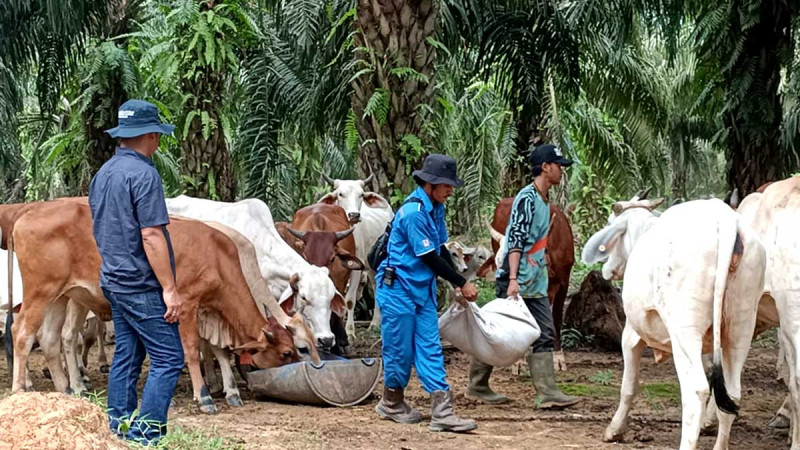
For Mohd Azid, integrated cattle-oil palm systems—known as ICOP or SISKA—offer one of the most practical solutions for balancing productivity and sustainability.
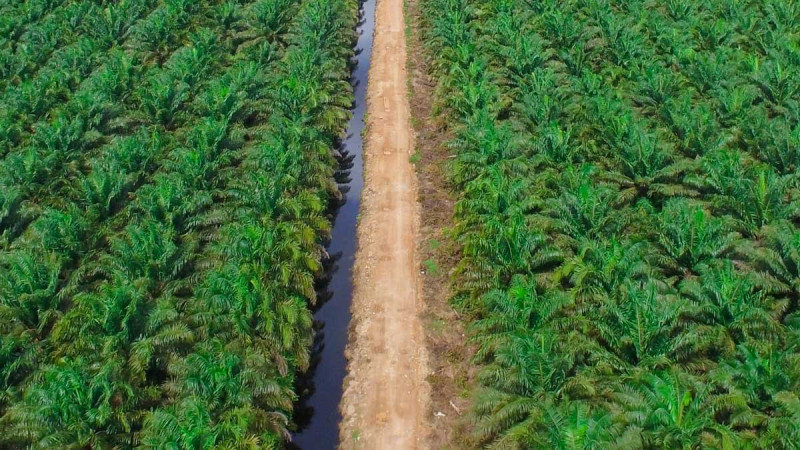
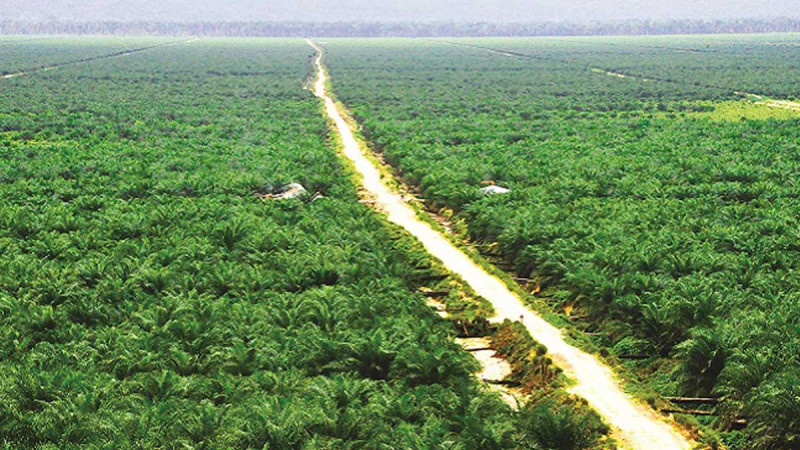
Rather than requiring new land conversion, the model maximizes existing plantation resources by integrating livestock production within oil palm estates, creating synergies that improve land-use efficiency while supporting broader sustainability objectives.
As pressure mounts on agriculture to produce more food with fewer environmental impacts, integrated systems such as ICOP are increasingly being viewed as a viable pathway toward a more resilient and sustainable future for both the livestock and palm oil sectors. (T2)
Previously published in InfoSAWIT Magazine, April 2026 Edition.