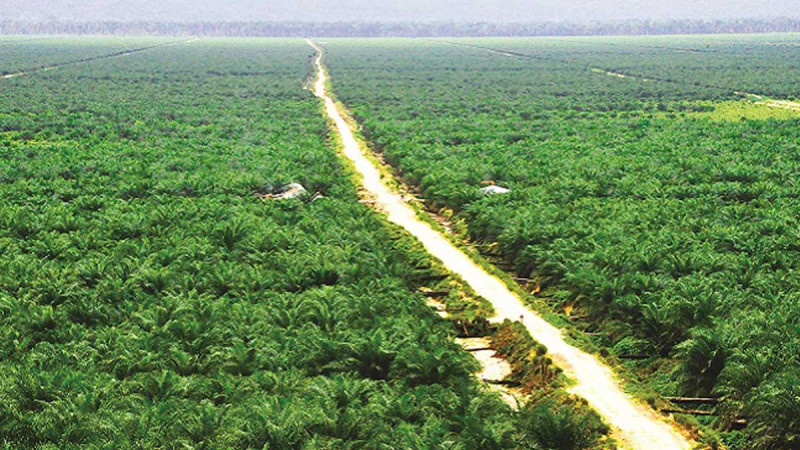
InfoSAWIT, MEDAN – Indonesia continues to strengthen its position as a global supplier of high-quality oil palm planting materials, with another shipment of premium germinated palm seeds destined for Colombia in Latin America.
The Indonesian Quarantine Agency, through the North Sumatra Animal, Fish and Plant Quarantine Center (Karantina Sumut), recently facilitated the export of 10,500 DxP Dami G-2 germinated oil palm seeds via Kualanamu International Airport.
The shipment forms part of a larger export quota of 300,000 palm seeds approved by the Indonesian government in April 2026.
Prayatno N. Ginting, Head of Karantina Sumut, said that by mid-June 2026, total exports under the quota had reached 60,500 seeds. Additional shipments to Colombia are scheduled to continue in stages through August.
“The growing demand from Colombia reflects international confidence in Indonesia’s superior palm genetics. Indonesia is not only the world’s leading palm oil producer but is increasingly recognized as a competitive center for oil palm seed technology,” Ginting said in an official statement received by InfoSAWIT.
Rigorous Quality and Phytosanitary Controls
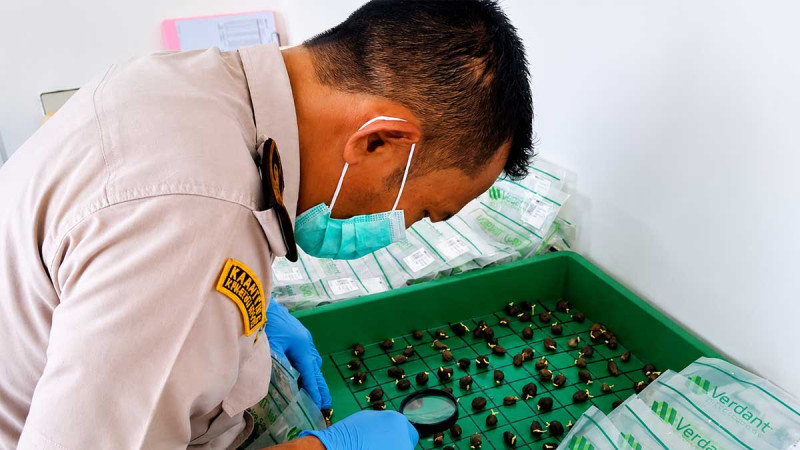
Before export, all germinated seeds underwent strict inspections at the Timbang Deli Laboratory to ensure compliance with international quality standards and import requirements.
Quarantine officers verified the development of both the plumule (shoot) and radicle (root), ensuring balanced growth with a length of approximately 0.5 centimeters. These indicators are critical in assessing seed vigor and readiness for planting under new environmental conditions.
After meeting all technical, sanitary, and phytosanitary requirements, Karantina Sumut issued a Phytosanitary Certificate, a mandatory document for legal entry and trade in the destination country.
Laboratory testing also confirmed that the seeds were free from several internationally regulated pests and diseases, including Coconut Cadang-Cadang Viroid (CCCVd), Fusarium oxysporum f.sp. elaeidis—the causal agent of vascular wilt disease—as well as Imperata cylindrica, Cleome rutidosperma, and the oil palm bunch moth Tirathaba mundella.
Strengthening Indonesia’s Role in Global Agribusiness
The export highlights Indonesia’s expanding role in the global palm oil value chain. While the country has traditionally been known for exporting crude and refined palm oil products, the growing international demand for Indonesian planting materials demonstrates increasing competitiveness in agricultural biotechnology and seed development.
Industry observers believe the development opens new opportunities for Indonesia’s seed sector while reinforcing the country’s reputation as a reliable source of high-performance planting materials for emerging palm-growing nations worldwide.
With globally recognized genetic quality and strict phytosanitary standards, North Sumatra’s palm seeds are expected to support plantation productivity in Colombia while strengthening agricultural cooperation between the two countries. (T2)