InfoSAWIT, JAKARTA – As sustainability standards become increasingly central to global commodity trade, PT Sumber Tani Agung Resources Tbk (STAA) has taken a significant step by joining the Roundtable on Sustainable Palm Oil (RSPO), positioning itself to access premium international markets while reinforcing its long-term sustainability strategy.
For Indonesia’s palm oil industry, the European market has evolved beyond a traditional export destination. Buyers now demand assurances that palm oil products originate from deforestation-free supply chains, fair labor practices, and transparent governance systems.
“European markets increasingly require RSPO certification as a minimum standard,” said Andra Tetuko, Head of Sustainability at STAA, in an interview with InfoSAWIT.
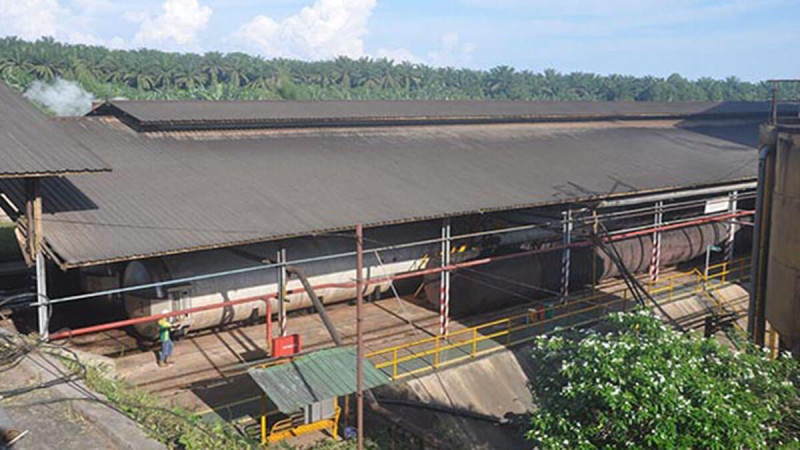
The company’s move comes as it expands downstream operations, including a new refinery in Dumai with a processing capacity of 2,000 tons per day.
Beyond market access, STAA has committed to reducing greenhouse gas emissions by 30 percent by 2030. RSPO certification is viewed as a critical framework for measuring, verifying, and demonstrating that commitment.
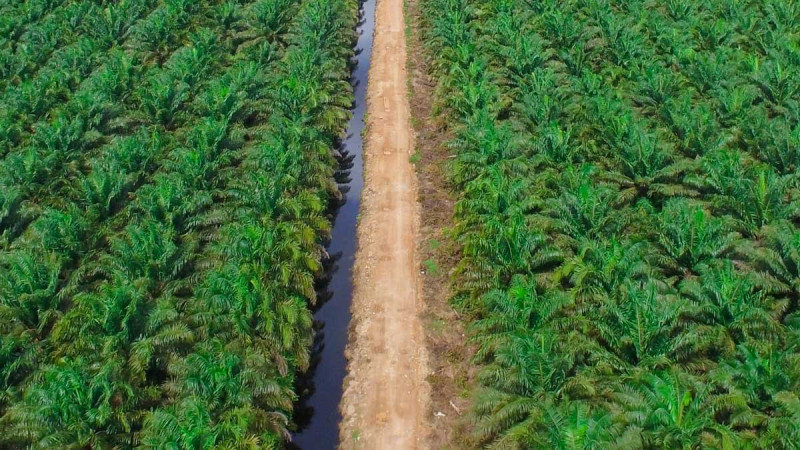
The certification journey extends well beyond administrative compliance. With more than 50,000 hectares of planted area across four provinces and integrated operations spanning upstream and downstream activities, STAA is implementing sustainability standards throughout its business model.
The company aims to certify all operational units progressively while strengthening traceability systems, mapping plantations with precise GPS coordinates, ensuring fire-free land management practices, and eliminating high-risk pesticides from its supply chain.
STAA reports that more than 83 percent of its fresh fruit bunch (FFB) supply is already traceable, with a target of achieving full traceability by 2026.
The company has also undertaken significant preparatory work since 2022, including ISPO certification, greenhouse gas inventory assessments, High Conservation Value (HCV) and High Carbon Stock (HCS) evaluations, and supplier due diligence aligned with European standards.
According to Andra, internal systems are now largely prepared for formal RSPO audits.
However, he emphasized that sustainability is not merely a technical process but a cultural transformation requiring every operational decision to consider environmental, social, and governance impacts.
In an industry increasingly driven by accountability and transparency, STAA views sustainability not as an optional business strategy but as a core component of its long-term competitiveness in global markets. (T2)
Previously published in InfoSAWIT Magazine, May 2026 Edition.