InfoSAWIT, JAKARTA – Indonesia’s palm oil biomass potential is increasingly being viewed as a strategic solution for achieving national energy independence amid rising dependence on imported crude oil, diesel fuel, and LPG. Industry experts and academics speaking at PALMEX Jakarta 2026 emphasized that Indonesia already possesses a significant domestic renewable energy source through its vast palm oil plantation and processing industry.
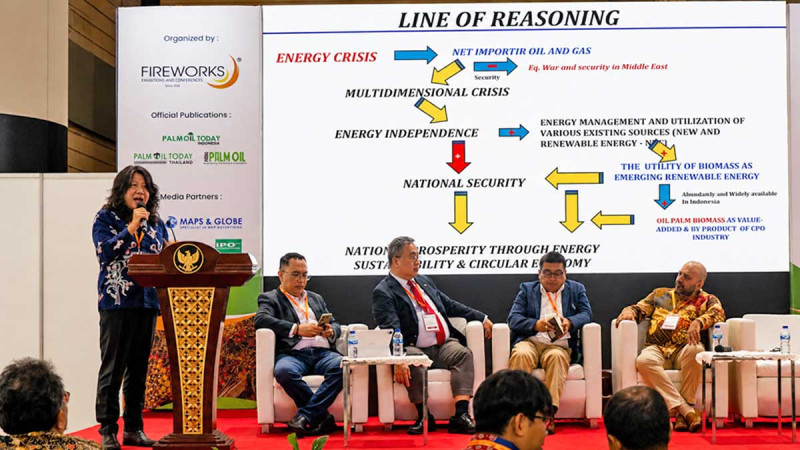
During a discussion session on palm biomass as renewable green energy, speakers highlighted that optimal utilization of palm biomass could strengthen Indonesia’s energy security while reducing pressure on foreign exchange reserves caused by fossil fuel imports.
Agus Guntoro from Trisakti University explained that Indonesia’s energy challenges are becoming increasingly complex as economic growth drives higher energy demand, while fossil energy reserves continue to decline.
According to him, energy sustainability should be treated as a fundamental asset for national development, requiring Indonesia to accelerate the development of alternative energy sources aligned with regional characteristics and industrial needs.
“Palm biomass is highly relevant for supporting energy independence in major palm oil regions such as Sumatra, Kalimantan, Sulawesi, and parts of Papua, because the energy source is continuously available near the areas where energy consumption occurs,” Agus said during the session.
He stressed that palm biomass is no longer merely an alternative energy issue, but part of Indonesia’s broader strategy to build energy independence based on domestic resources.
Meanwhile, M. Windrawan Inantha, widely known as Dr. Win, highlighted the enormous scale of Indonesia’s palm biomass resources currently generated from plantation and processing activities.
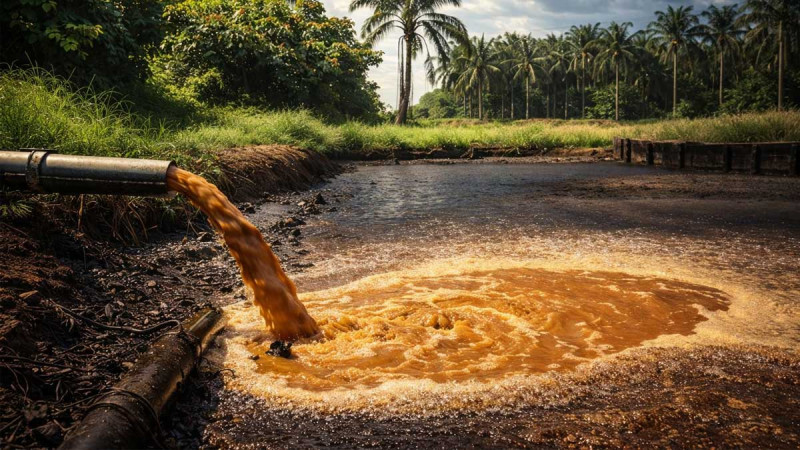
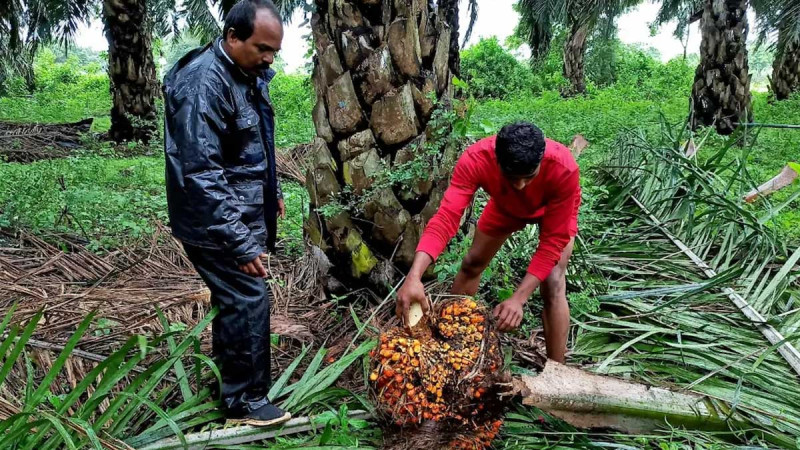
According to him, Indonesia produces around 208 million metric tons of dry palm fronds annually, 51.6 million tons of empty fruit bunches, 14 million tons of palm kernel shells, 29.8 million tons of mesocarp fiber, and approximately 144.5 million cubic meters of palm oil mill effluent (POME).
“The most important message from this session is that palm biomass is no longer a side story in the palm oil sector,” Dr. Win stated. “Palm biomass is now part of Indonesia’s energy security, industrial competitiveness, and sustainability credibility.”
He noted that the challenge now lies not in resource availability, but in converting biomass volumes into economic value through better governance, certification systems, and stronger domestic utilization.
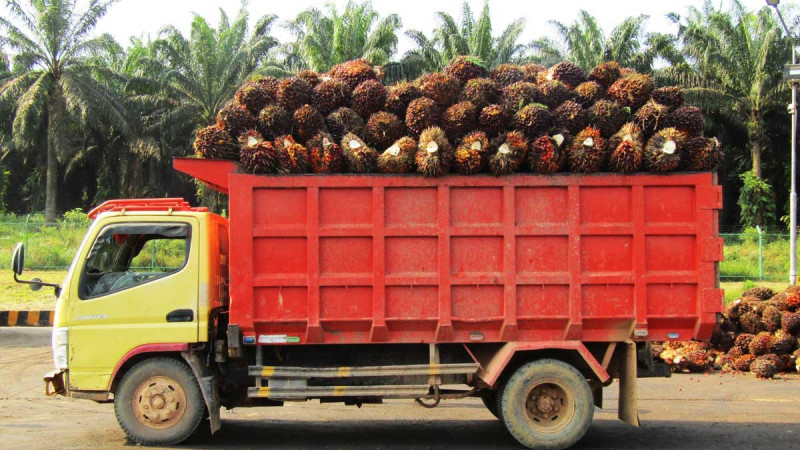
From the industry side, Dikki Akhmar from APCASI estimated that Indonesia’s palm biomass production reaches around 50 million metric tons annually, with the potential to contribute up to 15.74% of the country’s electricity needs if supported by proper policies and technologies.
According to Dikki, palm biomass utilization for domestic electricity generation, industrial energy, and process heat should become a national priority instead of focusing primarily on exports.
“Exporting biomass while continuing to import fossil fuels for domestic energy needs is a policy inconsistency that must be corrected,” he said.
The discussion also explored opportunities for developing Sustainable Aviation Fuel (SAF) derived from palm oil waste products.
LT Leong from N-Gen Malaysia explained that domestic SAF refineries based on palm waste could reduce Indonesia’s aviation sector dependence on petroleum-based jet fuel.
He identified raw materials such as palm oil mill effluent, oil recovered from spent bleaching earth, and palm fatty acid distillate (PFAD) as highly promising feedstocks for domestic aviation fuel supply chains.
Leong also promoted modular SAF refinery concepts, which he said could be developed more rapidly and located near palm oil mill clusters to supply regional airports more efficiently.
Meanwhile, Gayan Wejesiriwardana emphasized that palm biomass energy development must be accompanied by strong certification and traceability systems to attract international financing and investment.
“Traceability and certification are not merely compliance costs, but investments to ensure Indonesia’s biomass energy systems are trusted and financially viable,” Gayan said.
Speakers also pointed out that Indonesia’s geographically dispersed palm oil industry could become a major advantage for distributed energy systems. Thousands of palm oil mills and plantations across the archipelago have the potential to serve as local energy hubs, reducing dependence on diesel supplies and centralized electricity networks.
Dr. Win concluded that Indonesia’s next challenge is ensuring that the country’s vast biomass resources create stronger national added value.
“Indonesia has the biomass volume. The next challenge is translating that volume into value through governance, reliable data, certification, and stronger domestic utilization,” he said. (T2)