InfoSAWIT, SERDANG BEDAGAI – The release of oil palm genetic resources originating from Tanzania is being viewed as more than a scientific milestone. For both Tanzania and Indonesia, it represents a deepening strategic partnership in agricultural development—one that links research, innovation, and long-term sustainability in the future of the palm oil industry.
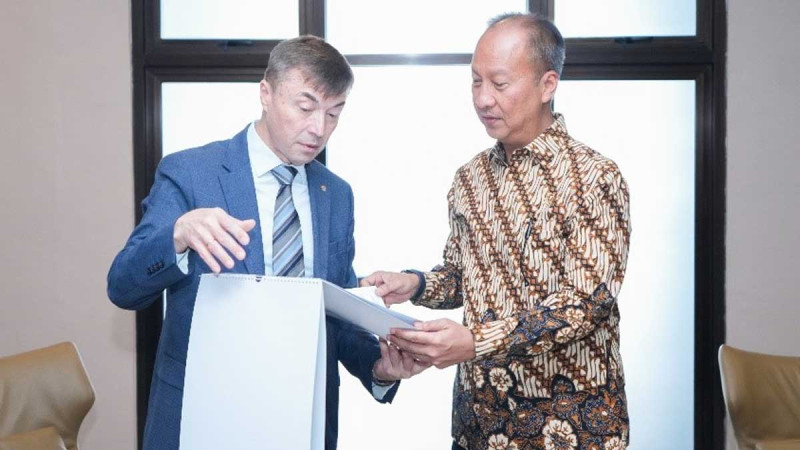
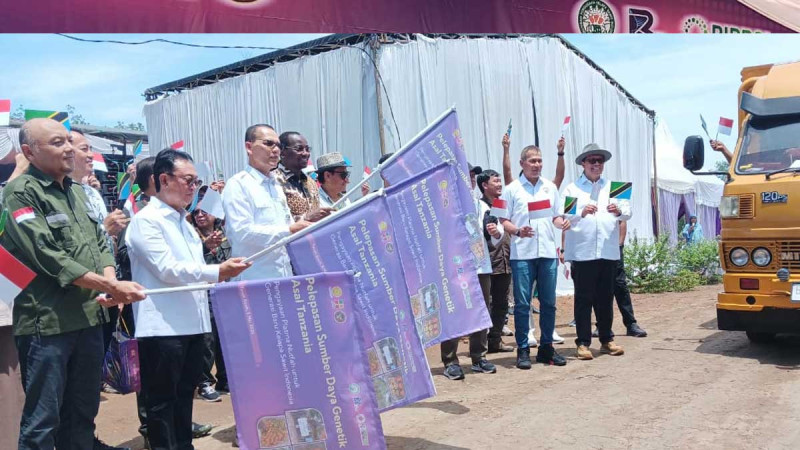
That message was underscored by Macocha Moshe Tembele, Ambassador of Tanzania to Indonesia, during the ceremonial release of Tanzanian oil palm genetic resources for the enrichment of Indonesia’s germplasm collection, held at Tanah Besih Estate in Tebing Syahbandar District, Serdang Bedagai Regency, North Sumatra.
According to Tembele, the initiative carries significance far beyond the transfer of plant genetic material. At its core, he said, the release symbolizes how scientific collaboration and international partnership can help address the long-term challenges facing global agriculture—from productivity and crop resilience to food security and climate adaptation.
“Today, we are not only releasing genetic resources—we are celebrating science and partnership,” Tembele said in remarks received by InfoSAWIT on Friday (May 8). “This is the story of two friendly nations separated by the Indian Ocean, yet united by a common purpose.”
Collaboration Beyond Diplomacy
Tembele emphasized that cross-border cooperation in agriculture is no longer simply a diplomatic ideal, but a practical necessity in a rapidly changing world. With mounting global pressures—including climate change, rising food demand, and the need for more sustainable agricultural systems—international collaboration is increasingly becoming a strategic pathway toward concrete solutions.
“Cooperation is not merely a diplomatic slogan,” he said. “It is a real instrument for improving people’s welfare.”
He also praised the broad coalition supporting the program, highlighting the involvement of Gabungan Pengusaha Kelapa Sawit Indonesia, Indonesia’s Ministry of Agriculture, national research institutions, industry stakeholders, and the Tanzania Agricultural Research Institute, all of which contributed to strengthening the genetic foundation of future oil palm development.
A Knowledge Bridge for Future Palm Development
For Tanzania, the partnership with Indonesia represents more than technical cooperation—it offers access to one of the world’s most advanced oil palm ecosystems, spanning cultivation practices, breeding innovation, downstream development, and sustainability frameworks.
Tembele said knowledge gained by Tanzanian researchers through collaboration with Indonesian institutions could become a valuable catalyst in developing Tanzania’s own palm oil sector.
In his closing remarks, he described the release of Tanzanian oil palm genetic resources as a symbol of broader opportunity—one that opens doors to stronger productivity, deeper scientific exchange, and expanded international collaboration in plantation development.
The event was attended by representatives from Badan Pengelola Dana Perkebunan, the Indonesian Quarantine Agency, the North Sumatra Center for Animal, Fish, and Plant Quarantine, and 14 consortium companies participating in Indonesia’s oil palm germplasm initiative.
As Indonesia continues to strengthen its genetic base for future oil palm breeding, the collaboration with Tanzania stands as a reminder that the next chapter of sustainable palm development may be shaped not only in plantations and laboratories—but also through partnerships that cross oceans and connect shared ambitions. (T2)