InfoSAWIT, JAKARTA – What was once considered a low-value combustion residue from the palm oil industry is now emerging as a promising raw material for next-generation energy technology. Indonesia’s National Research and Innovation Agency (BRIN) is exploring the potential of nanosilica extracted from palm oil boiler ash waste to support the development of flexible energy storage systems, including power solutions for future wearable electronics.
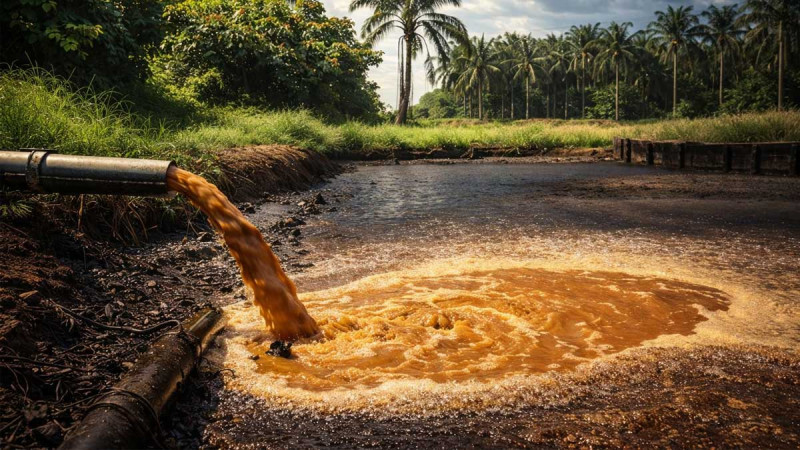
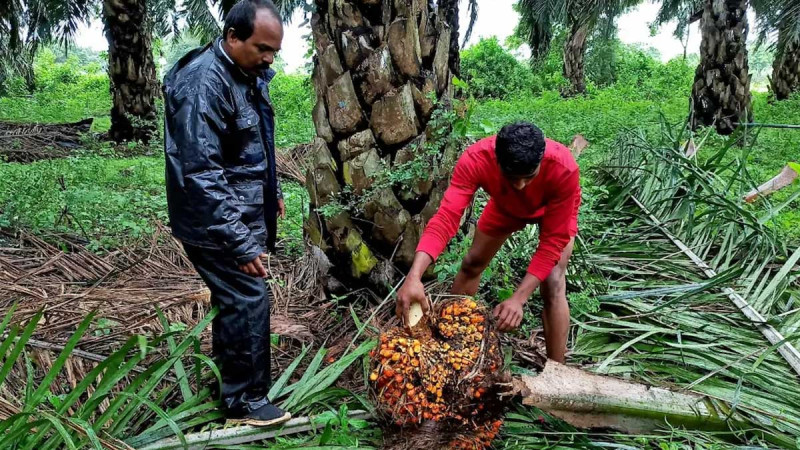
Palm oil boiler ash, generated in volumes reaching millions of tons annually, has long posed an environmental challenge due to limited utilization. Yet researchers have found that this industrial residue contains 50–65% silica (SiO₂)—a key material that can be refined into nanosilica, an ultra-fine material measuring around 8–10 nanometers with highly desirable physical and chemical properties.
Nanosilica is widely recognized for its large surface area, tunable pore structure, and high chemical adaptability, making it a strategic material across multiple sectors, including cosmetics, biomedical engineering, construction, electronics, and advanced energy systems.
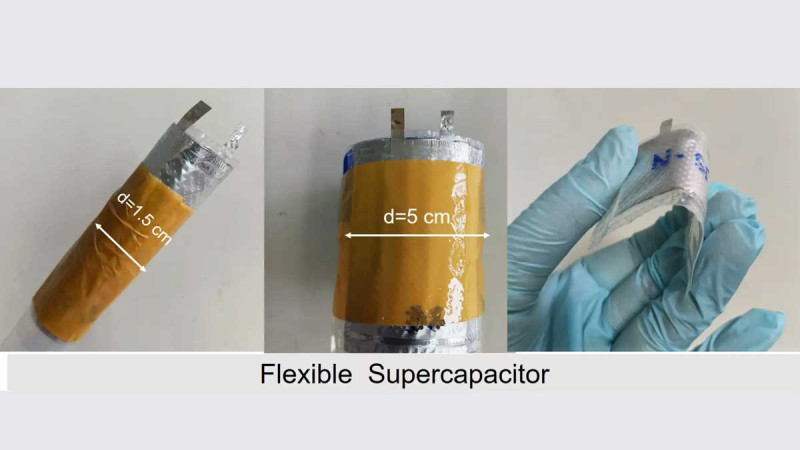
According to Rike Yudianti, a researcher at BRIN’s Research Center for Electronics, the agency is currently developing flexible supercapacitors—energy storage devices designed to bend and flex in response to human movement—targeting the rapidly expanding wearable technology market.
One of the key challenges in flexible supercapacitor development remains the use of liquid electrolytes, which are prone to leakage, evaporation, and declining electrochemical stability when repeatedly bent, especially under elevated temperatures and prolonged operation.
To address these limitations, BRIN is shifting its research focus toward solid-state electrolytes, which offer greater stability, improved safety, and stronger adaptability for flexible electronic applications.
In this system, palm-derived nanosilica plays a critical role. Its silanol (–Si–OH) functional groups improve contact between electrolytes and electrodes, enhance molecular dissociation within electrolyte systems, and accelerate ion transport—three essential factors in boosting energy storage performance.
“The development of solid electrolytes for flexible supercapacitors is both highly promising and technically challenging, because not only must the electrolyte remain stable, but the interface interaction between the electrolyte and electrode must also be optimized,” Yudianti said.
She added that BRIN’s research team has successfully maintained the electrochemical stability of the system during operation—an important milestone in advancing flexible energy storage technology.
The project is being conducted in collaboration with a private Indonesian university and academic partners in Japan. Beyond material design, BRIN is also refining assembly strategies to ensure supercapacitor performance remains optimal under dynamic and flexible operating conditions.
The breakthrough highlights a broader opportunity for Indonesia’s palm oil sector: transforming industrial waste into high-value advanced materials.
If commercialized, nanosilica derived from palm oil boiler ash could become a tangible example of how Indonesia’s palm oil industry not only supplies food and renewable energy, but also contributes strategic materials for the next generation of energy storage ecosystems. (T2)