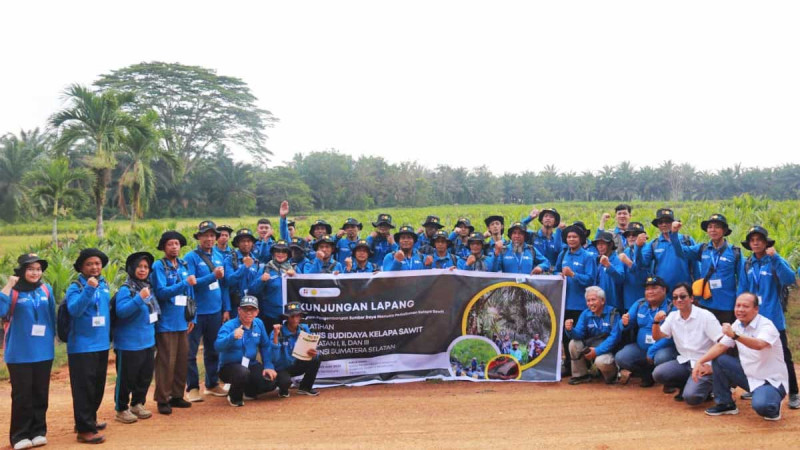
InfoSAWIT, SOUTH BENGKULU – The Council of Palm Oil Producing Countries is intensifying efforts to strengthen Smallholder capabilities through its Good Agricultural Practices (GAP) Training Program, a hands-on initiative designed to improve technical knowledge, raise plantation productivity, and promote more sustainable oil palm cultivation across producing regions.
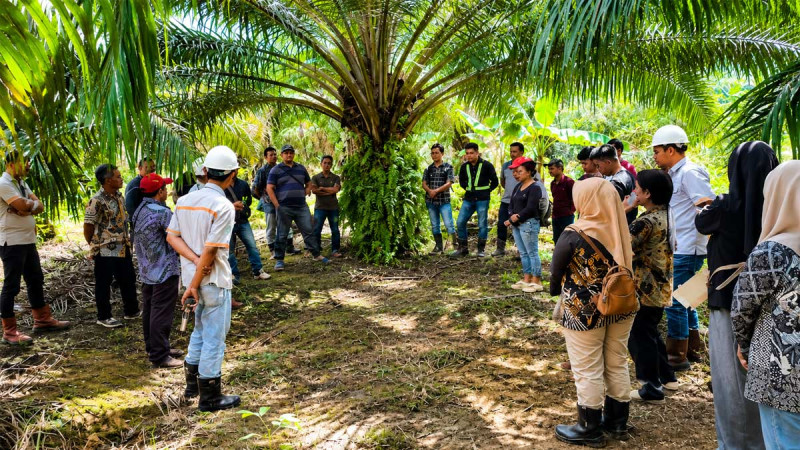
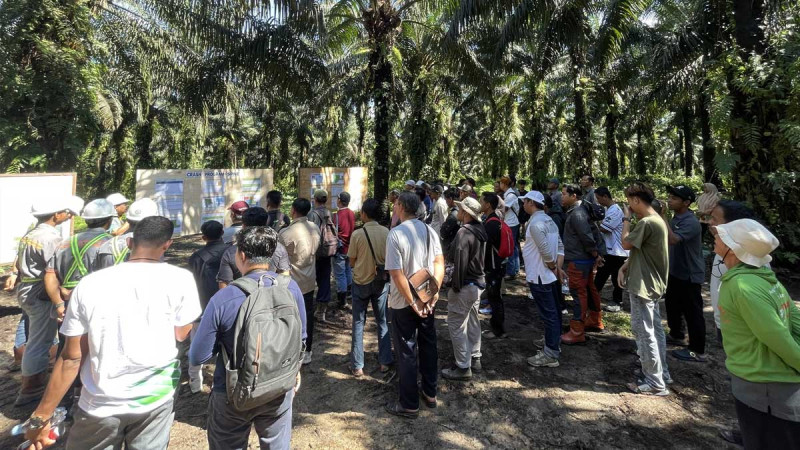
Held recently in South Bengkulu, the program combined classroom learning with direct field practice, allowing participants to gain practical, application-oriented knowledge that can be implemented immediately on their own farms. The training focused on core agronomic principles under GAP standards, including precision fertilization, crop management, and optimal harvesting techniques—all essential factors in improving yield efficiency and long-term plantation sustainability.
According to information obtained by InfoSAWIT from CPOPC on Wednesday (May 6), the practice-based training model is central to helping Smallholders better understand proper oil palm cultivation methods and translate theory into operational improvements at the farm level.
For many participants, the program provided a new perspective on what professional plantation management can look like—even on a small scale.
“Through this CPOPC GAP training, we now understand that small-scale oil palm plantations can also be managed professionally—from applying the right fertilizer at the right time to harvesting fruit at the proper maturity stage,” said participant Rian Susanto. “This is important capital for improving income while maintaining plantation productivity.”
Another participant, Ocha Vitalalo, said the training has given Smallholders practical tools to adopt better and more sustainable cultivation methods.
“This program is highly beneficial because it helps farmers better understand proper oil palm cultivation techniques that can be directly applied on their plantations,” Ocha noted.
Building Competitive and Sustainable Smallholders
Meanwhile, Antonius Yudi Triantoro, Director of Sustainability and Smallholder at CPOPC, said the initiative forms part of a broader strategy to improve Smallholder competence and competitiveness across oil palm-producing countries.
“Through this program, we hope farmers gain stronger cultivation knowledge based on Good Agricultural Practices principles, which can directly improve plantation productivity and strengthen their economic well-being,” Antonius said.
Beyond South Bengkulu, CPOPC has also expanded the GAP Training Program to Kotawaringin Lama, Central Kalimantan, in collaboration with Bumitama Gunajaya Agro, the Malaysian Palm Oil Board, and Riset Perkebunan Nusantara.
The two-day training in Central Kalimantan involved 50 Smallholders and addressed several critical areas of productivity improvement, including seed and land preparation, pest and disease management, fertilization practices, pruning, soil and water conservation, and plantation financial management.
Through this continuing training series, CPOPC is reinforcing its commitment to building a stronger Smallholder base—one that is more productive, more resilient, and increasingly aligned with the long-term sustainability demands of the global palm oil industry. (T2)