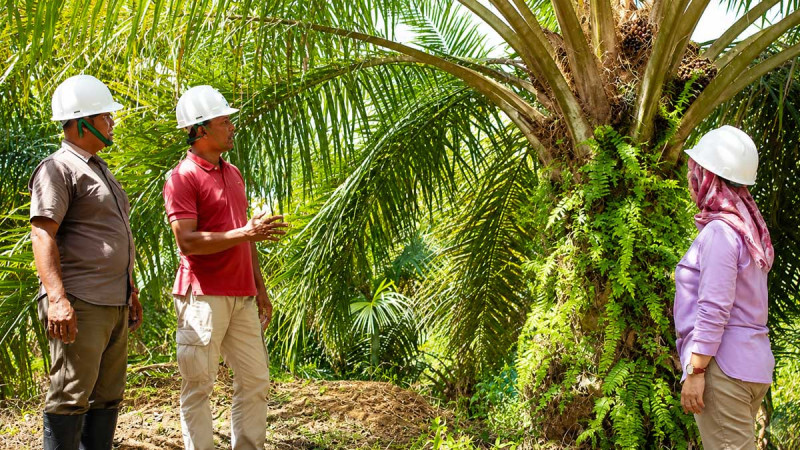
InfoSAWIT, SUBULUSSALAM – In the palm oil-producing village of Gunung Bakti, Subulussalam, Aceh, Risniati Tarigan has become a symbol of how women are increasingly shaping the future of sustainable palm oil in Indonesia.
Balancing her responsibilities as a homemaker, fresh fruit bunches (FFB) trader, and smallholder community leader, Risniati has spent years working closely with independent Smallholders in her area. What began as daily interactions with farmers gradually evolved into a larger mission: helping local growers improve productivity, adopt sustainable practices, and gain access to global certification standards.
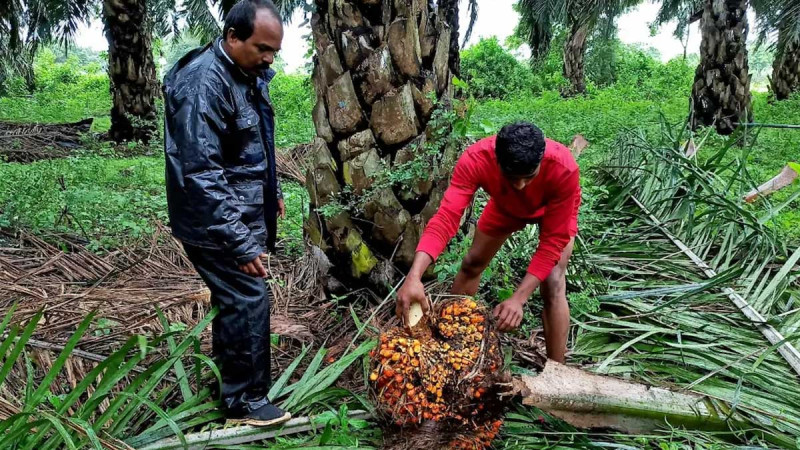
Through CV Perangin-Angin Group (PAG), Risniati collaborates with two fellow traders and nearly 300 independent Smallholders managing around 680 hectares of oil palm plantations. Over time, she observed recurring challenges among farmers, including improper fertilizer application, inconsistent harvesting techniques, and limited understanding of structured plantation management.
Rather than accepting these conditions as routine, Risniati sought solutions.
Her turning point came after joining Good Agricultural Practices (GAP) training under the Sawit Terampil program. The training introduced her to more sustainable and efficient cultivation methods, which she later shared with farmers supplying FFB to her network.
As awareness grew, the initiative expanded into a collective movement focused on sustainability and certification readiness. In November 2025, CV Perangin-Angin Group officially achieved Roundtable on Sustainable Palm Oil (RSPO) certification as a certified independent Smallholder group.
The achievement was supported through collaboration between Sinar Mas Agribusiness and Food, IDH, and Mondelēz International under the Sustainable Palm Oil Landscape Initiative in Aceh and North Sumatra, funded through the NISCOPS program backed by the Dutch and UK governments.
For Risniati, sustainability is not merely about environmental responsibility, but also about securing the future of Indonesia’s palm oil industry.
She believes better agricultural practices can improve crop quality, strengthen supply chain stability, and increase market acceptance for Smallholders’ products. Farmers involved in the program have gradually adopted more structured fertilization methods, proper harvesting standards, and safer working practices, including the use of personal protective equipment.
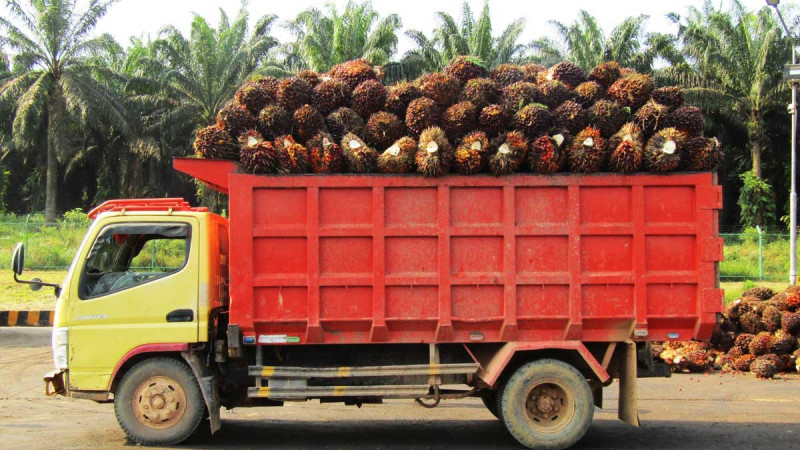
The impact has become visible across the supply chain. Fruit quality has improved, harvest consistency has increased, and market access for certified palm oil products has become more reliable.
Yet for Risniati, the most meaningful outcome goes beyond certification itself.
“I am proud,” she said. “I believe women can be equal, educated, and successful in this sector.”
Her journey has not been without challenges. In many meetings and industry discussions, she often found herself as the only woman in the room. Feelings of doubt and hesitation emerged at times, but she chose to continue learning and moving forward.
Today, Risniati represents more than a successful FFB trader. She has become an example of how women can play strategic roles throughout the palm oil value chain—from plantation management and supply networks to community leadership and sustainability transformation.
From a small village in Aceh, her story reflects a broader reality: Indonesia’s sustainable palm oil future will not only be shaped by technology and investment, but also by the courage of rural women willing to learn, adapt, and lead change. (T2)