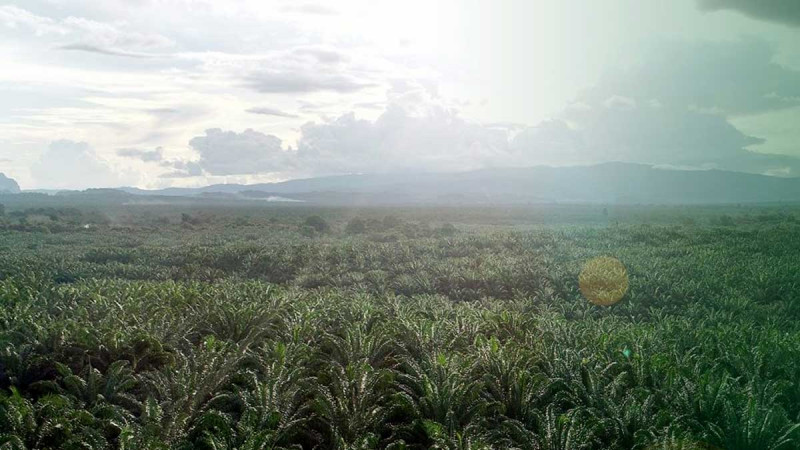
InfoSAWIT, JAKARTA – Indonesia’s National Defense Council (DPN) has underlined that the long-term success of the country’s B50 biodiesel mandate will depend not only on downstream processing capacity, but critically on sustainable improvements in upstream palm oil productivity.
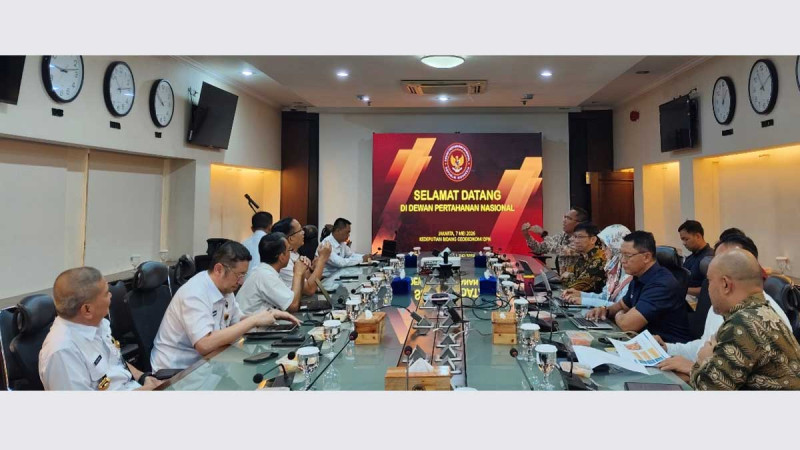
The message emerged during a strategic policy dialogue on palm oil productivity held at the DPN Situation Room in Jakarta, chaired by Deputy for Geoeconomics Yayat Ruyat, with participation from government ministries, palm industry players, research institutions, plantation stakeholders, and DPN experts.
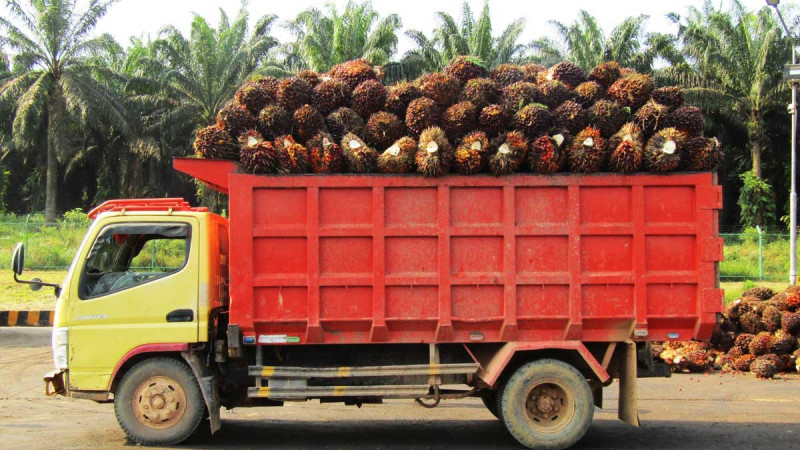
At the meeting, DPN highlighted that stronger plantation productivity is essential to securing long-term biodiesel feedstock supply as domestic palm oil demand rises in support of Indonesia’s national energy agenda.
As a result, upstream strengthening is now being positioned as a strategic priority within the broader B50 implementation roadmap.
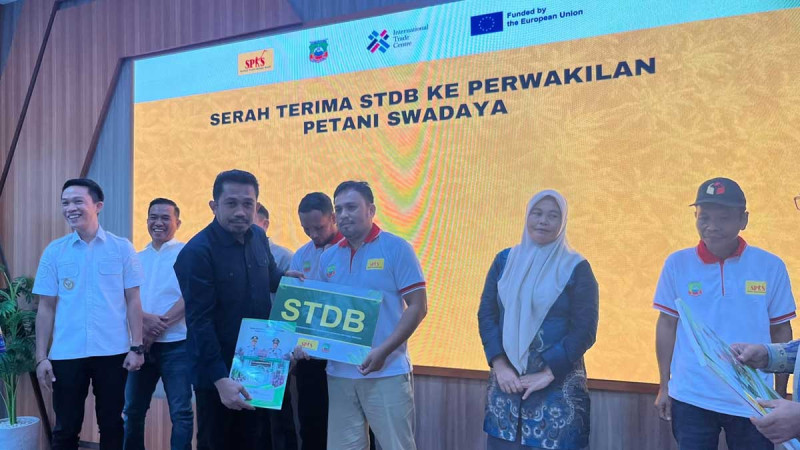
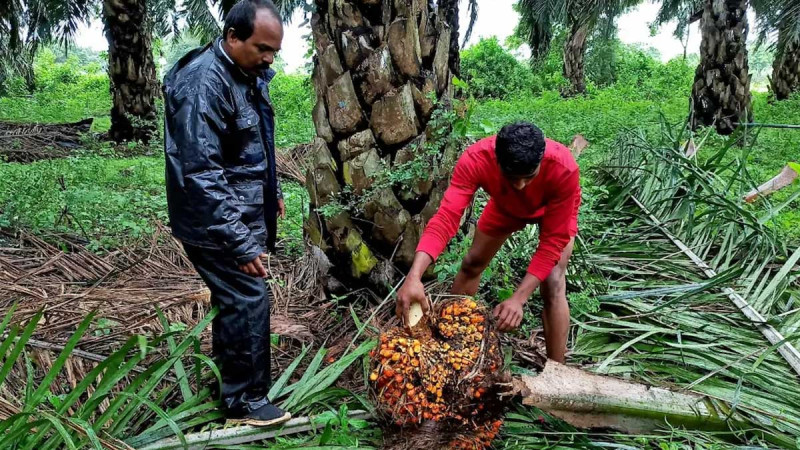
Several key initiatives were discussed, including accelerating the Smallholders Replanting Program (PSR), expanding access to superior certified planting materials, intensifying agronomic research and innovation, and improving financing and regulatory support to speed up productivity transformation among Smallholders.
The forum also emphasized tighter oversight of seed distribution to ensure growers receive genuinely high-yield planting materials.
In this context, DNA-based verification technology is increasingly seen as a strategic tool for safeguarding seed genetic purity—allowing scientific validation of seed quality while reducing risks from counterfeit or uncertified planting materials.
This technology-driven approach is viewed as a potential game changer in boosting Indonesia’s crude palm oil productivity sustainably, particularly for Smallholders, whose yields often remain below optimal production potential.
DPN stressed that strengthening palm productivity requires coordinated action across ministries, research institutions, private sector players, industry associations, and Smallholders, ensuring policy implementation becomes a national movement rather than fragmented initiatives.
With such an integrated strategy, B50 is expected not only to reinforce Indonesia’s energy security through a higher renewable fuel blend, but also generate greater economic value in the palm oil sector, attract downstream investment, and strengthen Indonesia’s global competitiveness as the world’s leading palm producer.
For Indonesia, the success of B50 ultimately goes beyond increasing biodiesel blending ratios—it is about building a more productive, modern, and sustainable upstream palm oil industry capable of supporting future energy demand. (T2)