InfoSAWIT, JAKARTA – The Indonesian government, together with academics and international organizations, is intensifying efforts to strengthen sustainable palm oil diplomacy amid increasingly complex global trade challenges.
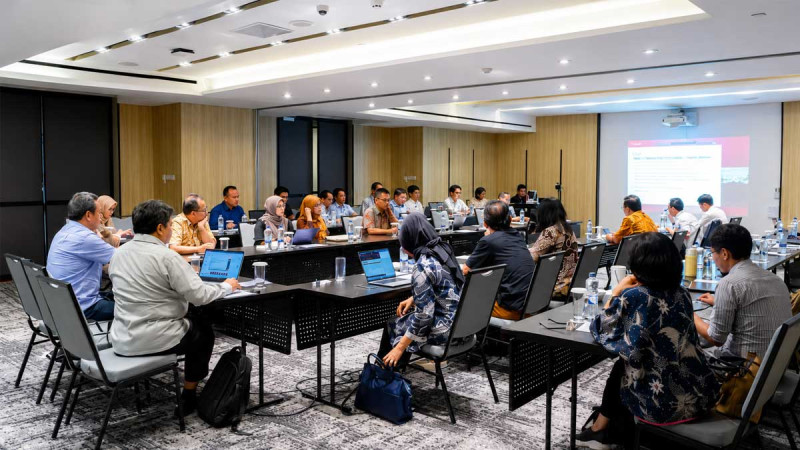
The initiative took shape through a workshop on developing a palm oil diplomacy training module held in Menteng, Central Jakarta, on May 6–7, 2026.
More than 20 representatives from ministries and government institutions attended the Capacity Building Program for Negotiation and Foreign Diplomacy on Sustainable Palm Oil Practices. The program is organized by the Center for World Trade Studies (CWTS) Universitas Gadjah Mada in collaboration with the Coordinating Ministry for Economic Affairs and supported by the United Nations Development Programme (UNDP) through the Forest, Agriculture, and Sustainable Trade (FAST) Project.
Assistant Deputy for State-Owned Enterprise Development in Manufacturing, Agroindustry, Pharmaceuticals, and Health at the Coordinating Ministry for Economic Affairs, Moch. Edy Yusuf, said the forum aims to unify Indonesia’s palm oil narrative in international forums.
“The objective of this capacity-building initiative is to create a unified understanding across all ministries and institutions,” he said, according to CWTS UGM as published online by InfoSAWIT on Monday (18/5/2026).
He noted that Indonesia’s palm oil messaging in global discussions has often lacked consistency, weakening the country’s diplomatic position.
Meanwhile, CWTS UGM Executive Secretary Dr. Maharani Hapsari explained that the program is designed to consolidate palm oil knowledge scattered across sectors while systematically documenting Indonesia’s diplomatic experience in the industry.
On the first day, discussions focused on participants’ needs and the development of a basic palm oil diplomacy module. Representatives from the Ministry of Foreign Affairs proposed that the material should be practical and application-oriented to support diplomats during international negotiations.
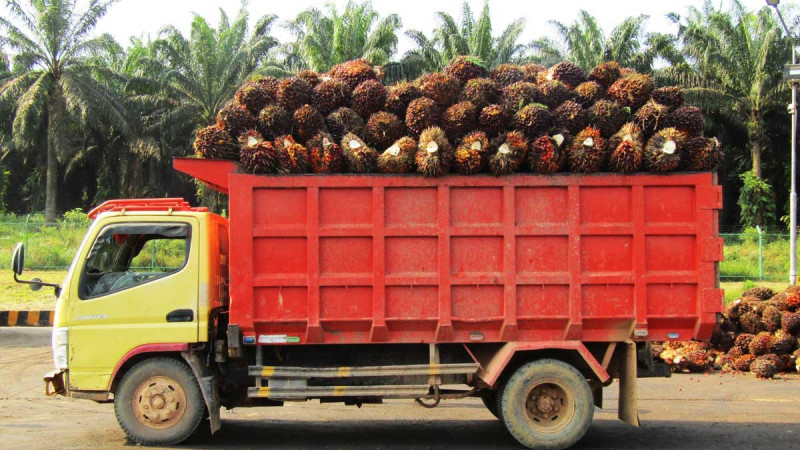
The initial module will cover Indonesia’s strategic role in the global supply chain, the structure of the palm oil industry from upstream to downstream, and key international advocacy points such as economic contributions, environmental commitments, and downstream innovation.
Palm oil expert Dr. Jenny Elisabeth encouraged participants to broaden the scope beyond crude palm oil (CPO) and include all palm-derived products under the “Five Fs” concept: Food, Feed, Fiber, Fuel, and Fertilizer.
On the second day, discussions shifted toward sustainability issues, export regulations, global market requirements, and case studies on Indonesia’s national palm oil certification system.
One of the key concerns raised was the strengthening of the Indonesian Sustainable Palm Oil (ISPO) certification system. Representatives from the Ministry of Energy and Mineral Resources referred to a March 2026 study by the Dutch Emission Authority, which highlighted weaknesses in ISPO data systems and traceability due to the continued reliance on physical documentation.
Similar criticism was voiced by the Indonesian Sustainable Palm Oil Farmers Forum, which noted that ISPO certification coverage among independent smallholders remains below 1%, significantly behind Malaysia’s MSPO certification system that has reached around 90% of independent farmers.
Despite these shortcomings, workshop participants agreed that Indonesia should openly acknowledge existing weaknesses while continuing to emphasize the country’s achievements in sustainable palm oil management.
Ratna Sariati from the Ministry of Agriculture reminded Indonesian delegates not to adopt an inferior stance in international forums, noting that ISPO has evolved for more than a decade.
Meanwhile, Syauqi Ahmada from the Coordinating Ministry for Economic Affairs revealed that the government is preparing the SI-ISPO digital information system to improve cross-ministerial data interoperability.
The workshop also highlighted the importance of including independent smallholders’ perspectives. Representatives from the Palm Oil Farmers Union argued that narratives surrounding smallholders, who are often the target of international criticism, remain underrepresented in diplomacy training materials.
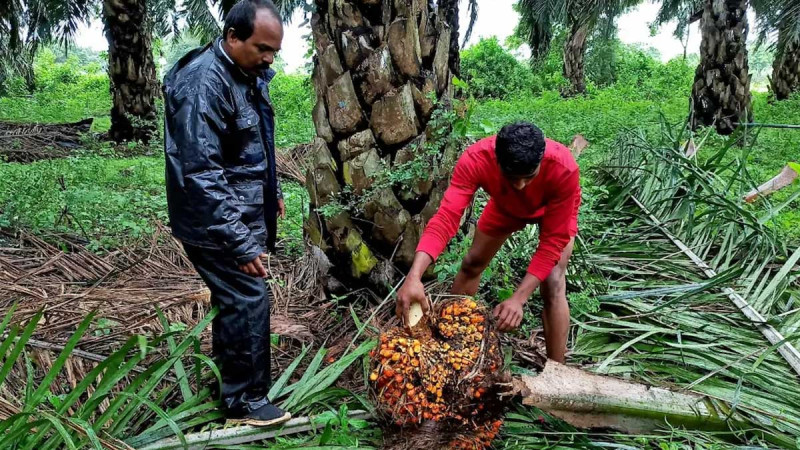
In addition to curriculum development, the workshop discussed field visits as part of the training program. CWTS UGM researcher Iman K. Nawireja said participants will later be invited to observe sustainable palm oil practices directly in regions such as Central Kalimantan, West Kalimantan, and Sumatra.
Closing the workshop, Dr. Maharani Hapsari stressed that the initiative is intended not only as a short-term training program but also as a long-term knowledge hub for Indonesia’s palm oil diplomacy efforts. (T2)