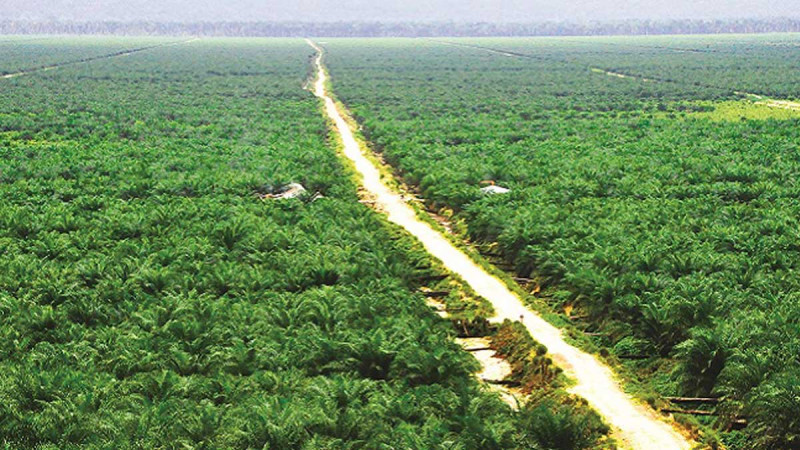
InfoSAWIT, JAKARTA - Palm oil plantations in Indonesia that have adopted best practices and sustainability are facing increasing business competition and challenges. The issues extend beyond land use in forest areas to a growing business rivalry.
The global market's dependence on crude palm oil (CPO) and its derivatives from Indonesia is expected to continue to grow significantly in the future. Over the past decade, the global market's demand has increased, with more than 60% of the world's palm oil supply now coming from Indonesia.
The rising consumption of vegetable oil globally for CPO and its derivatives is indeed a boon for national palm oil businesses. This shift in global consumption signals a substantial increase in demand for supplies from Indonesia.
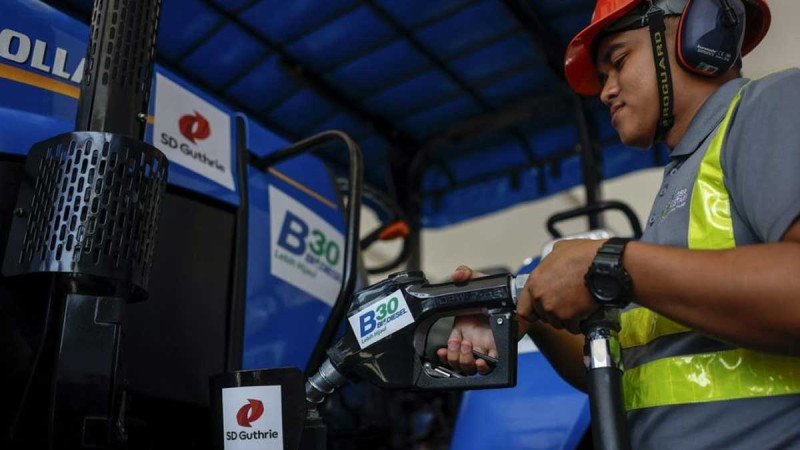
Overall, Indonesia's supply is also growing in production. However, domestic consumption has significantly increased following the implementation of the mandatory biodiesel market up to B40 by 2025. The continuous growth in production and consumption in Indonesia does not linearly translate to a significant increase in global vegetable oil supply. Consequently, the prices of CPO and its derivatives have become increasingly expensive.
At the beginning of 2025, the selling price of CPO surpassed that of soybean oil, which has long been the benchmark for the highest-priced vegetable oil globally. The high selling price of CPO has directly impacted the decline in global market demand. Fortunately, the mandatory B40 biodiesel market has successfully boosted domestic demand.
The selling price of CPO has begun to rise again, contributing to an increase in the selling price of Fresh Fruit Bunches (TBS) harvested by farmers. According to editorial observations at the end of March 2025, the average selling price of TBS reached Rp. 3000 per kg. As a result, the economy of rural communities around palm oil plantations has started to recover, improving their overall welfare.
One Million Hectares of Palm Oil Plantations in Forest Areas Managed by the Government
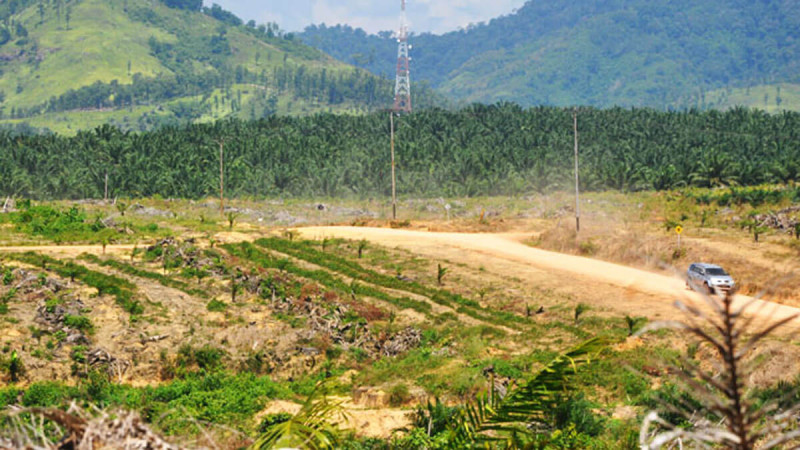
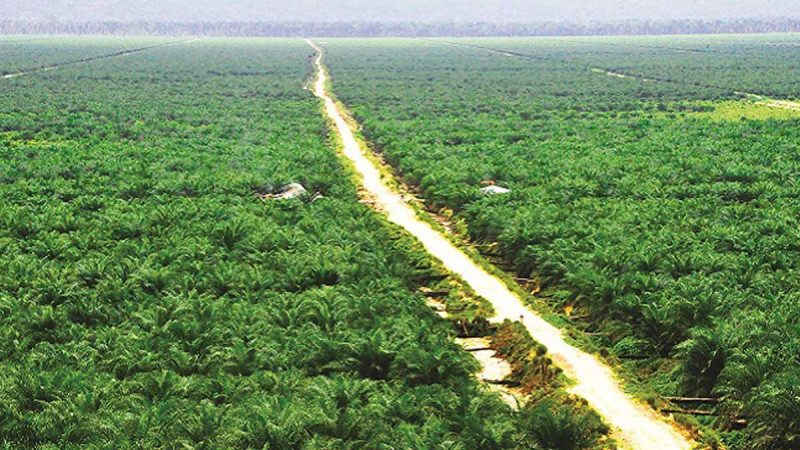
Following the increase in CPO selling prices and the subsequent rise in TBS prices, palm oil plantations located in forest areas have undergone data collection and management takeover. Through the Forest Area Enforcement Task Force (Satgas PKH), the Indonesian government has successfully seized palm oil plantations covering one million hectares.
The seized area of one million hectares, through the Attorney General's Office, has recently been handed over to PT Agrinas Palma, a state-owned enterprise (BUMN).
The presence of high-ranking officials from various ministries during the handover of the Satgas PKH seizure results underscores the government's commitment to ensuring that natural resource management is conducted sustainably and legally. The government also emphasized that the process of reclaiming palm oil plantation land is carried out in a measured, transparent manner while respecting workers' rights and corporate obligations.
The law enforcement actions taken by the government against palm oil companies in forest areas have also been met with surprising conditions from the countries that import palm oil and its derivatives. The announcement by President Trump regarding an increase in import taxes by up to 32 percent has created an anomaly in the global palm oil market. (*)
For more details, read InfoSAWIT Magazine, April 2025 edition.