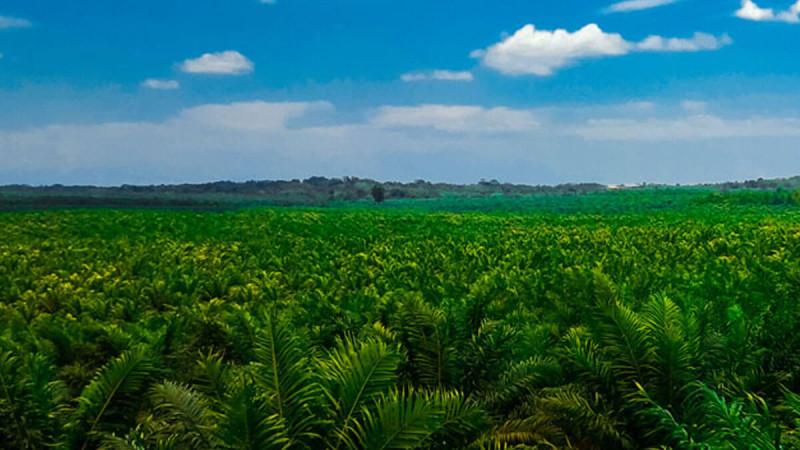
InfoSAWIT, JAKARTA - Lingkar Temu Kabupaten Lestari (LTKL) emphasized that it is important to get collective action from the stakeholders to realize sustainable development that focuses on environment protection and escalating the people’s welfare. To realize those, nine districts as the members of LTKL from six provinces got their position to be the bridge of sustainable development transition through innovation in nature – basic for strategic commodities.
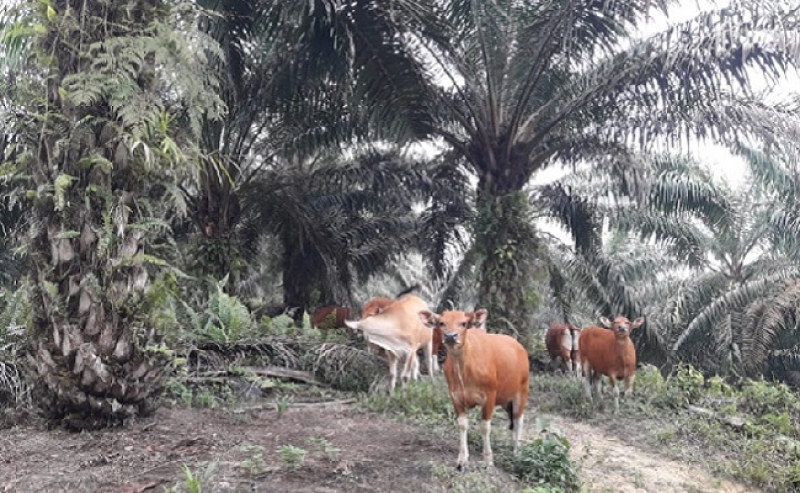
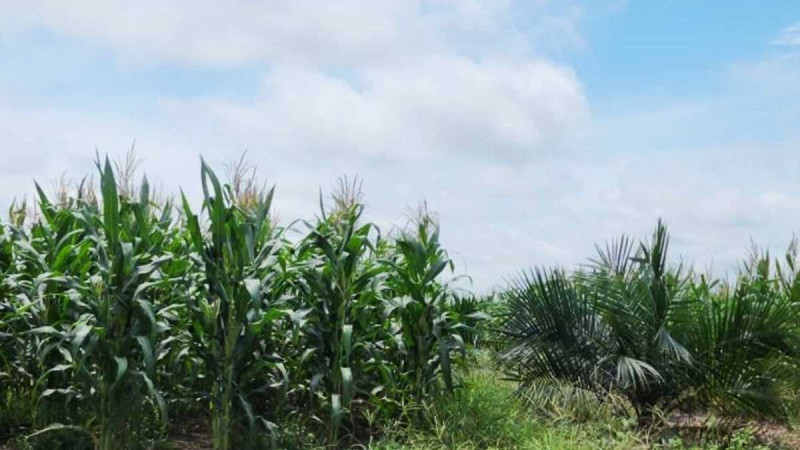
This derives from monoculture plantation, such as, palm oil until other commodities, such as, coffee, cocoa, coconut, bamboo, and their derivative products of agroforestry that would deliver impacts to forest and peat conservation, such as, essential oils of patchouli, vanilla, ‘tengkawang’, pepper, peat lake, snakehead fish, gambier, and other original forest commodities in Indonesia.
LKTL is the association of districts which was established to meet many stakeholders to realize sustainable development. It consists of nine districts, they are, Aceh Tamiang, Siak, Kapuas Hulu, Musi Banyuasin, Sanggau, Sintang, Gorontalo, Sigi, and Bone Bolango. The districts cooperate with 27 partners and more than 70 networks locally and nationally to manage and cultivate their jurisdiction sustainably through collective actions with their partners.
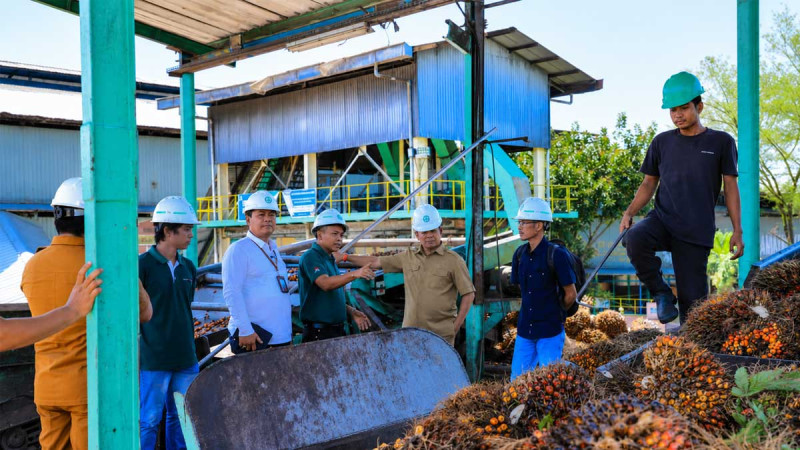
Heading to 2030, LTKL would focus to encourage the balance between conventional economic model in monoculture – plantations heading to new economic model in natural base, such as, bioeconomy, restorative economy that focus on having additional values from derivative products in nature – basic, and natural conservation that the local people would collectively manage and cultivate including the young generations. That is why green portfolio development, involving private sector, such as, investors and financial institutions about climate impacts, and the supply chain actors of the commodities would be very crucial to trigger the progress in sustainable jurisdiction transformation.
Vice Regent of Siak and also as the Vice Chairman of LTKL, H. Husni Merza said that every ecosystem in LTKL made the blueprint of sustainable jurisdiction transformation to realize every preparedness to welcome many countries in the globe. This has something to do with the commitment of nine districts to protect, at least, 50% of their important forests, peats and ecosystem by the will to welfare about 1 million smallholders and local people.
“There are five essential pillars in the blueprint, such as, plan, policy and regulation, multi-party governance, innovation and investment, and progress, report and communication measurement to expand the support,” he said.
Husni Merza also told that since 2018 the evidences about special recipe about the preparedness of the districts to deal with many countries in the globe, keep increasing.
From partnership innovation, the districts in LTKL successfully got connection with many partners both in local, national, and the globe to help the preparedness in minimizing deforestation, escalating supply chain transformation, traceability, and downstream industrial investment portfolio in nature – base. By 2023, there have been 168 multi-party partners, private sectors that are in cooperation to encourage the preparedness of the districts heading to sustainable transformation.
LTKL formulated and implemented monitoring preparedness through kerangka daya saing daerah (KDSD) which is the aggregation from many framework both nationally and globally which mapped series of indicators, policies, helping tools to evaluate and escalate the competition of the district in one region.
Head of LTKL Secretariat, Ristika Putri Istanti said that there are many standards and frames of report that the districts should formulate, such as, landscape, source up, Roundtable on Sustainable Palm Oil principles and criteria (RSPO P and C). these cover information about sustainable supply chain transformation. LTKL confirmed that the districts are ready to face any standards within five pillar – recipe and monitoring collective action in the LTKL members within kerangka daya saing daerah (KDSD) and mutual cooperation map.
“With their partners, LTKL identified the potential and preparedness of the districts to qualify the market needs globally. Some districts in LTKL are seriously preparing investment and downstream industrial development portfolio out of big plantation model,” Ristika said in a discussion that LTKL did in the spare time of RSPO Roundtable Conference 2023 in Jakarta, Tuesday (21/11). (T2)