InfoSAWIT, JAKARTA – Geopolitical tensions, rising trade protectionism and increasingly demanding sustainability requirements are expected to shape the global palm oil industry in the coming years. These challenges will take centre stage at the 22nd Indonesian Palm Oil Conference 2026 and 2027 Price Outlook (IPOC 2026), scheduled for November 11–13 in Bali.
Held under the theme “Palm Oil in a Fragmented World: Securing Food, Energy, and Economic Resilience,” the conference will take place at The Westin Resort Nusa Dua, bringing together government representatives, market analysts, academics, industry players and international partners.
IPOC 2026 organising committee chairman Suryanto Bun said the annual event would provide a platform to examine policy developments and market prospects affecting the palm oil industry in Indonesia and globally.
As the world’s largest palm oil producer, Indonesia plays a significant role in global vegetable oil supplies. Domestically, the sector supports food production, cooking oil availability, biodiesel development, export earnings and economic activity in plantation regions, including among smallholders.
Four Key Areas of Discussion
The conference programme will feature four main discussion sessions covering economic and market prospects, food and energy security, geopolitics and trade protectionism, and broader economic developments affecting vegetable oil markets.
The first session will examine Indonesia’s economic outlook, Asian markets and policy support for smallholders and sustainable industry development.
The second will focus on food security and the energy transition, including the role of Indonesia’s Plantation Fund Management Agency (BPDP), biofuel policies and the commercial implications of sustainability requirements.
The third session will address geopolitical competition, changing vegetable oil demand and the effects of international trade standards on Indonesia’s export market access.
The fourth will examine the relationship between food and energy policies, regulatory developments and supply-demand dynamics influencing palm oil prices.
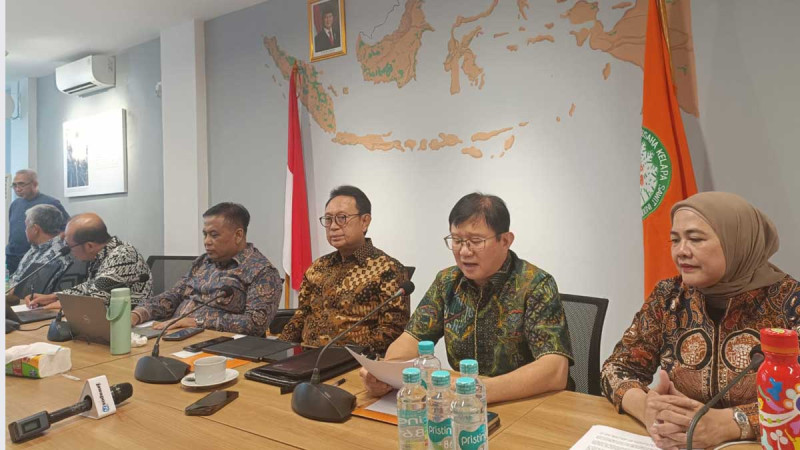
Suryanto said discussions would also consider Indonesia’s readiness to respond to changing international regulations and global trade policies, according to information presented at the conference’s press briefing attended by InfoSAWIT on Friday, October 9, 2026.
2027 Price Outlook in Focus
Beyond policy and geopolitical issues, IPOC 2026 will present an outlook for the global vegetable oil market in 2027, offering participants insights into potential opportunities and risks amid economic uncertainty, shifting demand and competition among vegetable oil producers.
The event will also feature an industry exhibition showcasing technologies, products and services across the palm oil value chain, alongside networking opportunities for businesses, investors, policymakers and international partners.
Now in its 22nd edition, IPOC aims to serve as both a market intelligence platform and a forum for strategic cooperation.
As global trade becomes increasingly fragmented and sustainability expectations continue to evolve, Indonesia’s ability to balance domestic priorities, export access and industrial competitiveness will be crucial to the palm oil sector’s outlook for 2027. (T2)