InfoSAWIT, JAKARTA – Indonesia’s Forest Area Enforcement Task Force (Satgas PKH) has reclaimed more than 6.2 million hectares of forest areas associated with oil palm plantations, as the government intensifies efforts to enforce forest regulations and restore state control over land designated for protection.
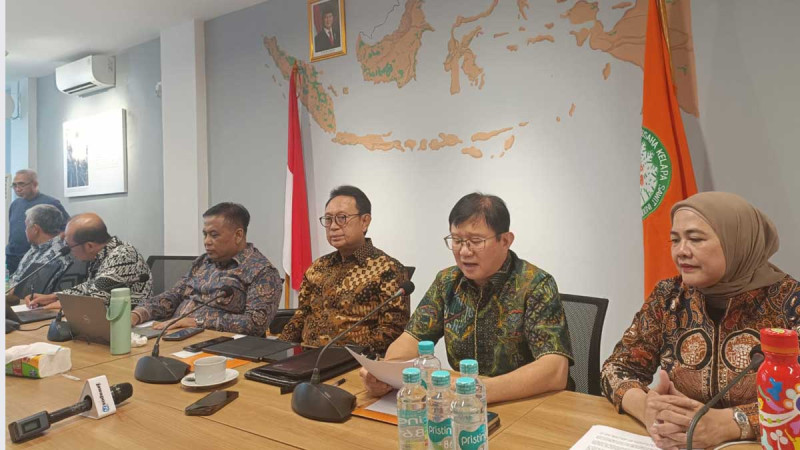
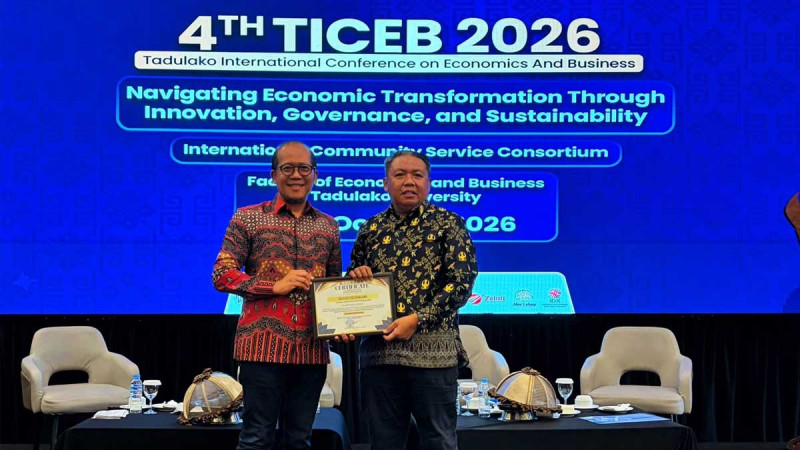
Attorney General ST Burhanuddin, who also serves as Deputy Chair I of the task force’s steering committee, announced the achievement during a briefing at the Attorney General’s Office on Tuesday, October 6, 2026.
“Since its establishment in February 2025, the task force has successfully reclaimed 6,206,212.14 hectares of forest areas. In the mining sector, it has reclaimed 14,633.79 hectares,” Burhanuddin said.
259,000 Hectares Transferred to Forestry Ministry
During its eighth enforcement phase, Satgas PKH transferred 259,230.73 hectares of forest areas to the Ministry of Forestry.
Of this total, 140,762.04 hectares are slated to be handed over to state-owned PT Agrinas Palma Nusantara for management.
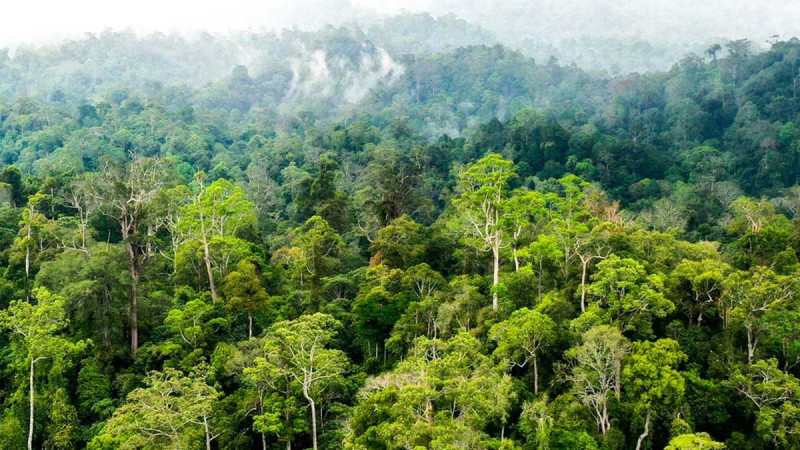
Meanwhile, 118,256.74 hectares comprising conservation and protected forest areas have been allocated for reforestation. An additional 211.95 hectares linked to mining activities were also transferred to the Forestry Ministry.
The allocation reflects different management approaches for recovered land, with designated conservation and protected areas intended for forest restoration.
Government Targets Illegal Land Use and Recovers State Revenue
Burhanuddin said the enforcement drive reflects the state’s responsibility to safeguard natural resources and ensure they benefit the public, in line with Article 33(3) of Indonesia’s 1945 Constitution.
“For us, this achievement demonstrates the state’s presence in protecting natural wealth, upholding the authority of the law and ensuring that resources belonging to the state ultimately deliver the greatest possible benefit for the people’s prosperity,” he said.
Beyond land recovery, the task force’s eighth enforcement phase generated Rp13.2 trillion in state revenue, which was handed over to the Ministry of Finance.
The funds included approximately Rp3.4 trillion from administrative forestry fines, Rp1.5 trillion in non-tax state revenue collected by the Attorney General’s Office from special-crime cases, and Rp8.2 trillion in tax revenue from taxpayers pursued through the task force’s enforcement efforts.
The government’s actions place oil palm plantation activities within forest areas under closer legal scrutiny while also raising questions about how recovered land will be managed and restored.
The scale of the operation underscores Indonesia’s efforts to strengthen forest governance, enforce land-use regulations and improve state revenue collection. Its implementation and the subsequent management of recovered areas will remain important considerations for the oil palm industry. (T2)
Source: InfoSAWIT