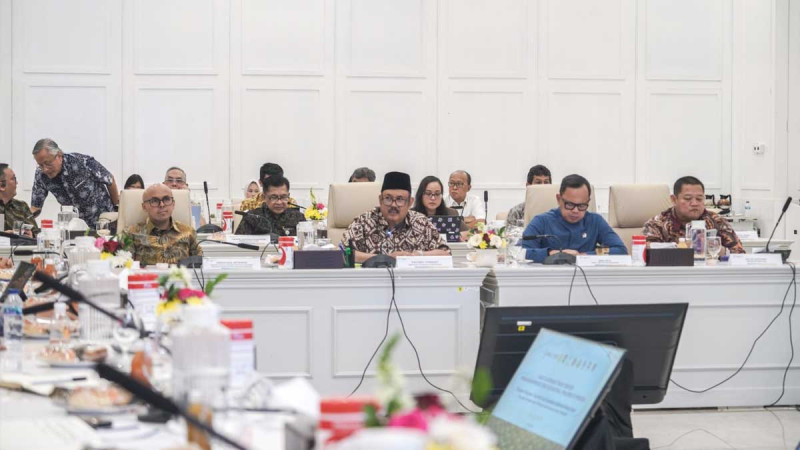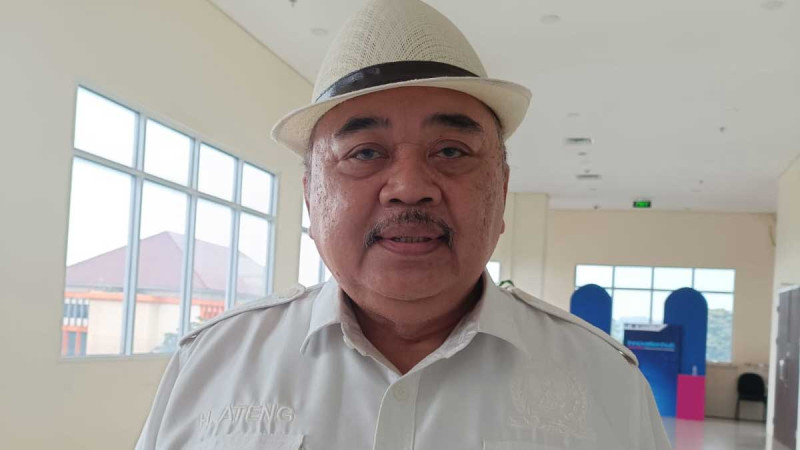
InfoSAWIT, JAKARTA – Indonesia’s palm oil fund management and environmental law enforcement have come under renewed scrutiny, with House of Representatives Commission XII member Ateng Sutisna calling for a review of plantation fund disbursements and faster implementation of final court rulings on forest and land fires.
Ateng, a lawmaker from the Prosperous Justice Party (PKS), said public financing for the palm oil industry must go hand in hand with environmental accountability. The government, he argued, should ensure that plantation funds deliver tangible benefits while companies remain responsible for environmental restoration obligations imposed by the courts.
“Disbursement of public funds must be accompanied by firm action to enforce environmental responsibilities,” Ateng said, as quoted by InfoSAWIT from the PKS parliamentary faction’s website on Tuesday, October 27, 2026.
He also highlighted the expanded mandate of the Plantation Fund Management Agency (BPDP), following Presidential Regulation No. 132/2024, which broadened the scope of plantation fund management beyond its previous focus on palm oil.
According to the 2024 BPDPKS Performance Report, biodiesel financing payments reached Rp28.81 trillion. Meanwhile, cumulative funding for the Smallholder Oil Palm Replanting (PSR) program stood at Rp12.87 trillion by the end of 2025, reaching approximately 180,000 smallholders.
Ateng stressed that biodiesel remains important for national energy security, but the success of palm oil policy should not be measured solely by the amount of financing allocated to the program. He called for a more balanced approach that also strengthens smallholder replanting and sustainable plantation practices.
Accelerating Environmental Court Decisions
Ateng also urged the government to accelerate the enforcement of final civil court rulings related to forest and land fires.
Citing Greenpeace’s compilation of cases through 2024, he said 18 final civil rulings involved approximately Rp6.1 trillion in liabilities. However, this figure does not necessarily represent the total amount outstanding, as some payments have already been made.
He proposed that the government publish updated information on outstanding liabilities, payments received, and environmental restoration progress within 30 days, followed by an update on asset tracing and enforcement measures within 90 days.
Ateng also called for stronger coordination among relevant ministries and agencies to improve transparency, environmental compliance, and accountability across the palm oil sector. (T2)