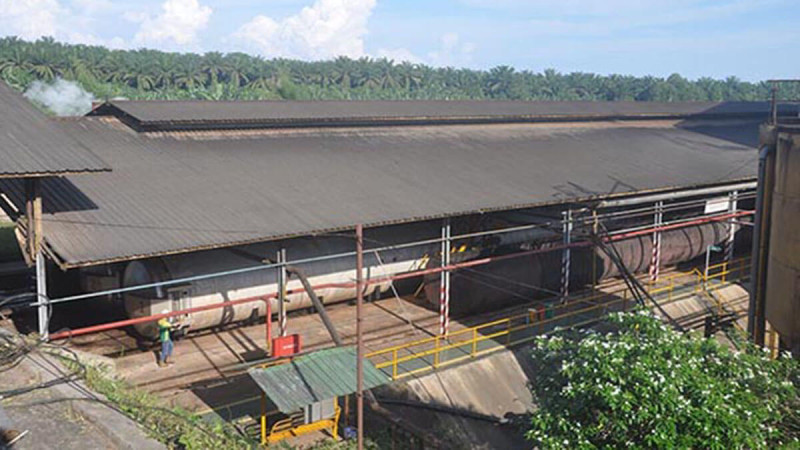
InfoSAWIT, JAKARTA – As global sustainability standards become increasingly stringent, supply chain traceability has emerged as one of the most critical requirements in international palm oil trade. Against this backdrop, Indonesia's growing number of standalone palm oil mills—facilities operating without company-owned plantations—could pose new challenges to the country's efforts to strengthen its sustainability credentials.
According to an analysis by Dr. Veritia, a researcher in Palm Oil Economics and Management at Pamulang University (Unpam) and Editor-in-Chief of Kabar SDGs, Indonesia's palm oil industry is facing increasingly complex compliance demands from both domestic regulations and export markets.
Integrated plantation companies and conventional palm oil mills are required to comply with a broad range of environmental, labor, waste management, and sustainability requirements, including implementation of NDPE (No Deforestation, No Peat, No Exploitation) commitments.
At the same time, export markets are tightening traceability requirements. One of the most significant regulations is the European Union Deforestation Regulation (EUDR), which requires companies to demonstrate the origin of commodities down to the plantation level.
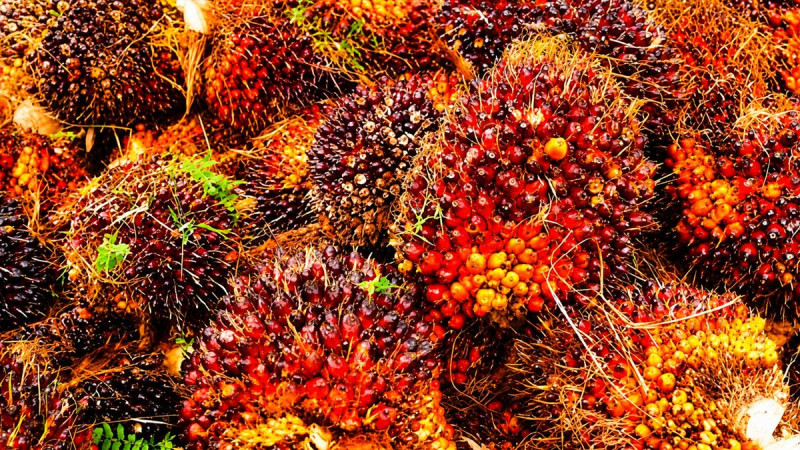
Dr. Veritia noted that challenges arise when parts of the palm oil supply chain remain difficult to trace. Standalone mills and processing facilities that rely heavily on loose fruits may become vulnerable points within the traceability system if they are not governed under the same compliance framework.
Raw materials lacking clear identification, adequate documentation, or integration into plantation mapping systems could complicate efforts to meet increasingly rigorous international sustainability standards.
Such conditions may also create an uneven playing field across the industry. While fully integrated plantation companies continue to bear rising compliance costs, operators outside strict regulatory oversight may enjoy greater operational flexibility.
According to Dr. Veritia, however, global markets are moving decisively toward full supply chain transparency and increasingly detailed verification systems.
Rather than restricting business operations, he argues that Indonesia should focus on ensuring equal regulatory enforcement across all industry participants.
Consistent implementation of environmental regulations, business licensing, trade governance, metrology standards, and partnership obligations should be accompanied by stronger supplier development programs, improved plantation security, wider sustainability certification, and accelerated Traceability to Plantation (TTP) implementation throughout the supply chain.
Strengthening traceability, he said, would improve Indonesia's access to premium global supply chains that increasingly prioritize sustainable and value-added products.
"The debate surrounding standalone palm oil mills and loose fruit processing is ultimately a debate about the future governance of Indonesia's palm oil industry," Dr. Veritia wrote.
He emphasized that maintaining a balance between business openness and regulatory certainty will be essential to safeguarding the sustainability, competitiveness, and global reputation of Indonesian palm oil. (T2)