InfoSAWIT, JAKARTA – Amid persistent challenges facing Indonesia's independent oil palm smallholders, a group of farmers in West Kotawaringin Regency, Central Kalimantan, is pursuing an ambitious goal: establishing a palm oil mill owned and managed by farmers themselves through a cooperative model.
Through the Karya Sawit Mandiri Jaya Secondary Cooperative (KSMJ), formed by seven primary cooperatives, the farmers aim to move beyond their traditional role as suppliers of fresh fruit bunches (FFB) and secure a stronger position within the national palm oil value chain.
If the initiative proceeds with support from the Palm Oil Plantation Fund Management Agency (BPDP), the facility could become one of Indonesia's first farmer-owned palm oil mills established through an independent smallholder cooperative scheme.
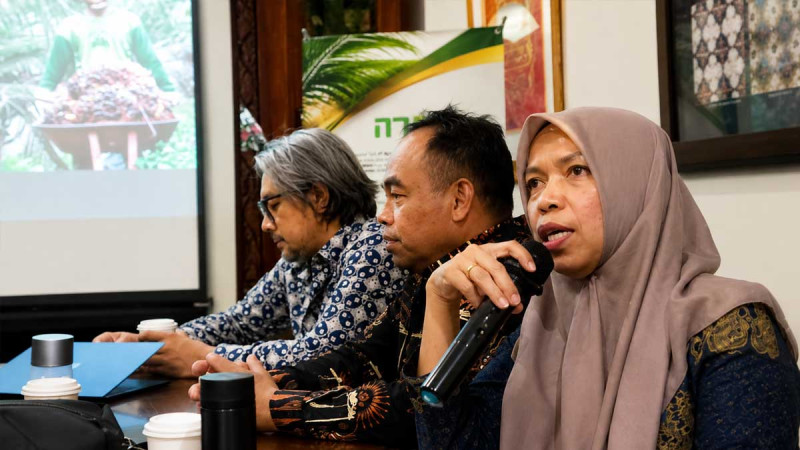
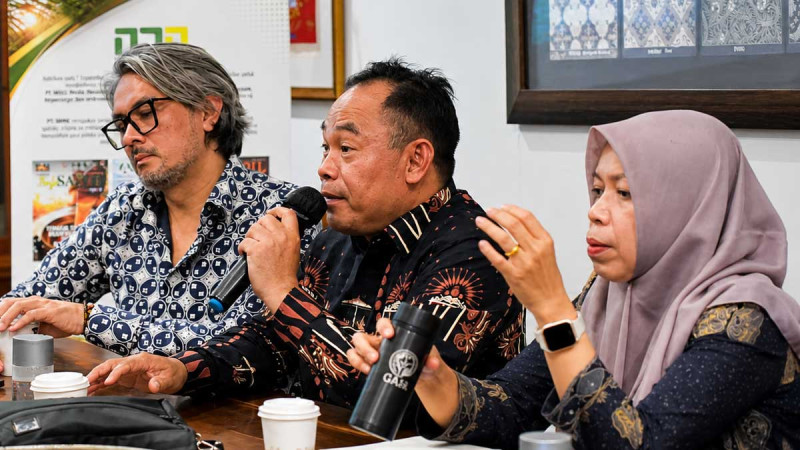
Sutiyana, Chairman of KUD Tani Subur Cooperative, said preparations for the project have been underway for nearly three years.
"We have been working on this for three years. The requirements are demanding—there are around 16 conditions that must be fulfilled—but we continue moving forward because we believe this will represent a major leap for farmers," Sutiyana told reporters on the sidelines of the RSPO Media Brunch in Jakarta on Friday (June 12, 2026).
The seven primary cooperatives established KSMJ to serve as the umbrella organization for the joint venture. Approximately 2,000 farmers managing a combined plantation area of 6,000 hectares have joined the initiative and completed various legal requirements.
A 16-hectare site designated for the future mill has already secured Building Use Rights (HGB), while supporting permits covering environmental compliance and operational readiness have also been prepared.
For decades, independent oil palm smallholders have derived most of their income solely from selling FFB, while the greater value generated through downstream processing has largely remained beyond their reach.
This imbalance has weakened farmers' bargaining power, particularly during periods of depressed FFB prices. Farmer ownership of processing facilities is therefore seen as a strategic step toward improving incomes and strengthening economic independence.
According to Sutiyana, locating the mill near smallholder production areas would also reduce transportation costs and streamline supply chains.
Financing remains one of the project's biggest challenges. Construction costs alone are estimated at around Rp120 billion (approximately US$7 million). Including supporting infrastructure and operational requirements, total investment could reach Rp250 billion.
Despite these financial hurdles, farmer commitment to the initiative remains strong. Cooperative members have already contributed nearly Rp5 billion from internal resources to meet administrative and technical requirements.
"The farmers' enthusiasm has been extraordinary. We have invested significant resources in preparing this project because we believe it represents a long-term investment in the future of smallholders," Sutiyana said.
If realized, the initiative could serve as a pioneering model for strengthening smallholder participation in Indonesia's palm oil downstream sector while improving the welfare and resilience of independent farmers. (T2)