InfoSAWIT, TAMIANG LAYANG – A major revision to the oil palm plantation operations of PT Indopenta Sejahtera Abadi has drawn serious attention during a meeting of the Technical Team and Environmental Impact Assessment (AMDAL) Evaluation Commission of East Barito Regency.
Held at the Environmental Agency Hall of East Barito Regency on Monday, the meeting discussed the company’s proposal to reduce its plantation concession area from 16,455 hectares to 9,055.48 hectares, alongside plans to build a palm oil processing mill.
Messias, Secretary of the East Barito Environmental Agency, emphasized that the proposed changes go beyond administrative adjustments. The reduction in plantation area combined with new industrial activities could significantly alter the landscape and generate environmental, social, and economic impacts on surrounding communities.
“These changes must be thoroughly assessed. The Addendum to the Environmental Impact Analysis (ANDAL), as well as the Environmental Management and Monitoring Plans (RKL–RPL), must be carefully prepared and evaluated to minimize potential negative impacts from the planning stage,” Messias stated, as reported by InfoSAWIT on Monday (22/12/2025).
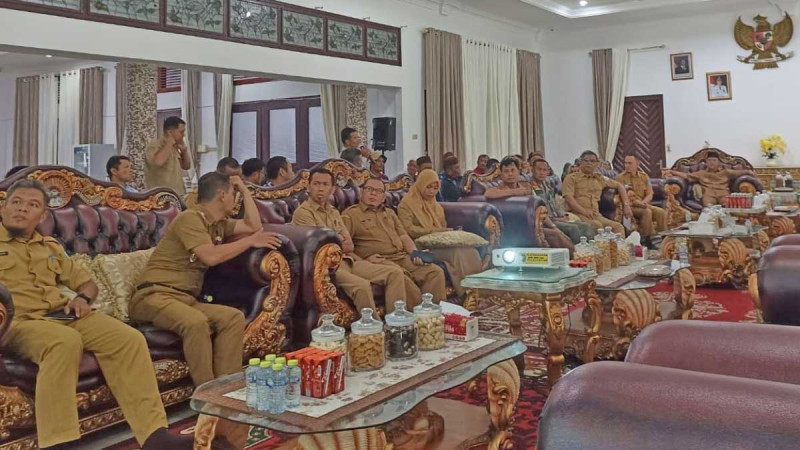
The meeting was attended by representatives of relevant local agencies, management of PT Indopenta Sejahtera Abadi as the project proponent, the Regency’s AMDAL Technical Team, the AMDAL Evaluation Commission, and environmental consultants. Provincial technical teams and the Central Kalimantan Environmental Agency also joined virtually via Zoom to strengthen intergovernmental coordination.
Village governments directly affected by the plantation activities were also involved. Village heads from Telang, Siong, Balawa, and Tampu Langit attended the forum to convey local community aspirations and concerns.
Their involvement was considered crucial to ensure that the AMDAL process addresses not only technical aspects but also social dynamics and community needs. Through this forum, the East Barito Regency Government reaffirmed its commitment to promoting environmentally sound and sustainable oil palm development.
“Natural resource utilization must be carried out responsibly. Development today should not leave environmental problems for future generations,” Messias concluded. (T2)