InfoSAWIT, SINTANG — The Sintang Regency Government has once again reaffirmed its commitment to becoming a pioneer of sustainable palm oil development in Indonesia. Through the preparation of the Regional Action Plan for Sustainable Palm Oil (RAD KSB) Phase 2 for the 2025–2029 period, Sintang is entering a new phase in realizing inclusive, transparent, and environmentally friendly palm oil governance.
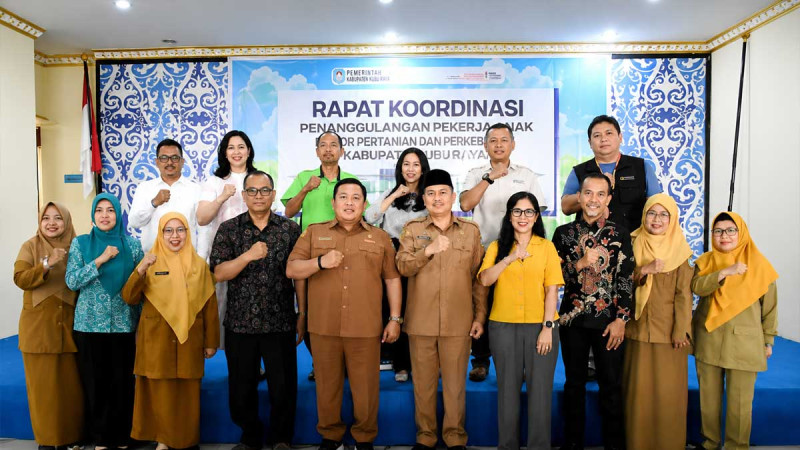
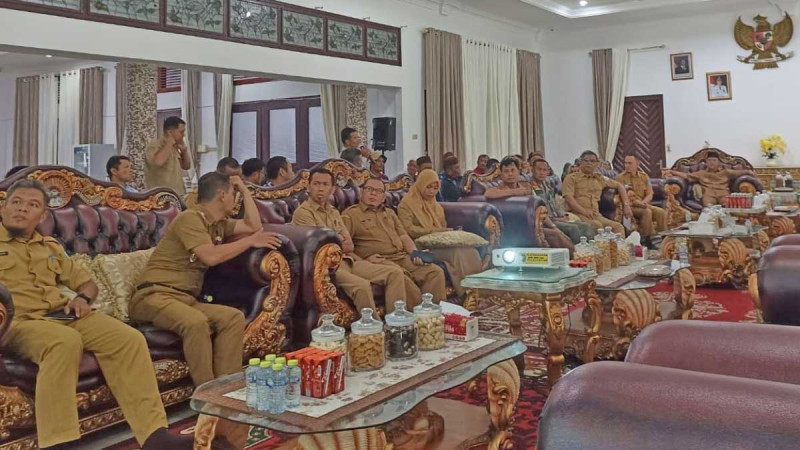
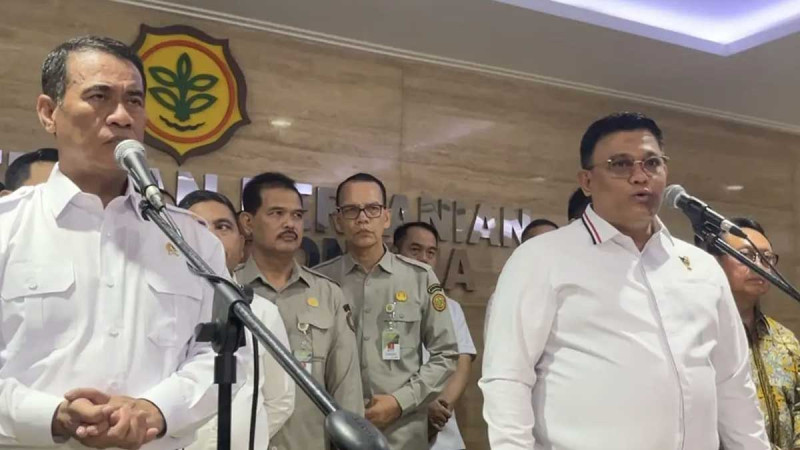
The draft of this strategic document was developed through a lengthy participatory process involving central and regional government agencies, private sector representatives, smallholders, academics, and civil society organizations. The finalization workshop held at the Directorate of Palm Oil and Various Palmae, Ministry of Agriculture of the Republic of Indonesia, marked an important milestone to ensure Sintang’s palm oil development direction aligns with national sustainability principles.
Head of the Secretariat of TPD-KSB Sintang Regency, Arif Setya Budi, emphasized that RAD KSB Phase 2 represents the concrete manifestation of the region’s vision: “A progressive, prosperous, high-quality, and sustainable Sintang.” He stated that the document not only contains broad strategies but also actionable steps to promote equitable economic growth, enhance local competitiveness, and protect the environment as key pillars of a green economy.
Five Strategic Pillars for Sustainable Palm Oil Development
The RAD KSB Phase 2 is structured around five integrated strategic pillars:
Data and Coordination: Strengthening the data foundation through mapping of independent smallholders, issuance of STDB permits, and updating data on companies and high conservation value areas.
Smallholder Capacity Building: Developing training, strengthening farmer institutions, and promoting the use of high-yield planting materials.
Governance and Environment: Improving land conflict resolution, fire prevention, and implementing traceability systems for fresh fruit bunches (FFB).
Downstream Development and Value Addition: Encouraging business diversification and utilization of palm oil derivative products to deliver greater economic value.
Certification and Market Access: Accelerating ISPO certification for smallholders and developing data-based traceability systems to open access to global markets.
All pillars are aligned with the National Action Plan for Sustainable Palm Oil (RAN KSB) and Sintang’s Medium-Term Regional Development Plan (RPJMD), supported by inter-agency coordination for integrated implementation.
Support from Development Partners
Sintang’s efforts have earned appreciation from various stakeholders, including the Rainforest Alliance, which recognized Sintang as an effective model for implementing the jurisdictional approach.
Tri Padukan Purba, Palm Oil Team Manager at Rainforest Alliance, said, “This action plan strengthens governance, enhances farmer productivity, protects ecosystems, and drives supply chain transparency. Collaboration among all parties is the foundation for a responsible palm oil production system.”
Input for Document Enhancement
The RAN KSB Secretariat Team also provided constructive inputs to refine the RAD KSB Phase 2 draft, emphasizing:
Alignment with the Presidential Regulation Guideline for RAN KSB Phase 2 (to be issued in 2025),
Clearly measurable and implementable programs with defined mechanisms and responsible parties,
Quantitative annual targets for progress evaluation,
Monitoring and evaluation systems with clear performance indicators, and
Innovative funding through corporate CSR and green financing schemes.
Collective Commitment Toward a Green Palm Oil Future
Head of Bappeda Sintang, Kurniawan, S.Sos., M.Si., asserted that RAD KSB Phase 2 is not just an administrative document but an operational roadmap for all stakeholders to advance toward equitable and sustainable palm oil practices.
Meanwhile, Martin Nandung, Head of the Sintang Agriculture and Plantation Office, highlighted the importance of national regulations—particularly the forthcoming Presidential Regulation on RAN KSB Phase 2 and its technical guidelines—to ensure policy coherence between national and regional levels.
Through strong cross-sector collaboration and collective commitment, Sintang is steadily advancing toward a sustainable palm oil future—where farmer prosperity and environmental conservation go hand in hand. (T2)