InfoSAWIT, YOGYAKARTA — PT Agrinas Palma Nusantara (Persero) is expanding the use of palm oil derivatives into Indonesia’s creative economy through a partnership with CV Smart Batik Indonesia to develop a palm-based batik industry in Yogyakarta.
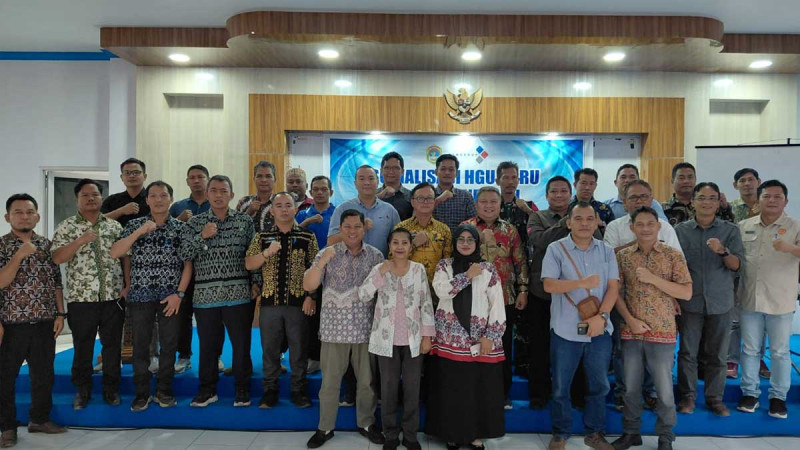
The collaboration was formalized through a cooperation agreement signed in Sleman, Special Region of Yogyakarta, on Friday, October 23, 2026. Agrinas was represented by Gatut Mukti, head of its Public Relations and Environmental Social Responsibility Division, and Nurhasanah Shihab, head of the Environmental Social Responsibility Subdivision.
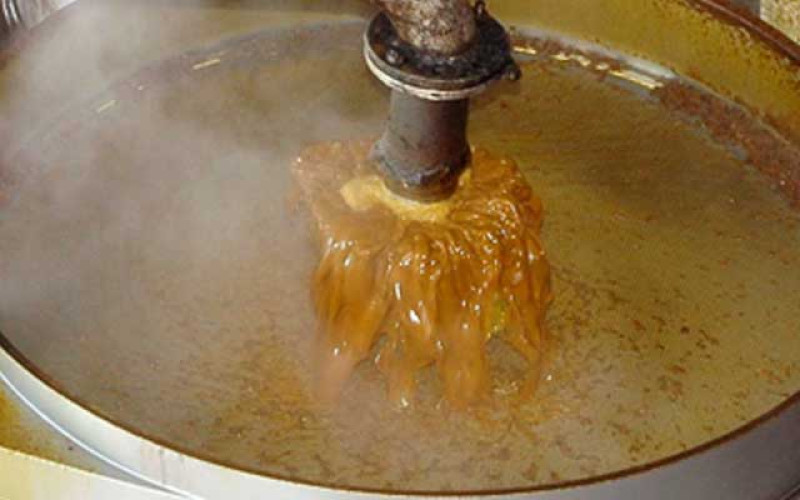
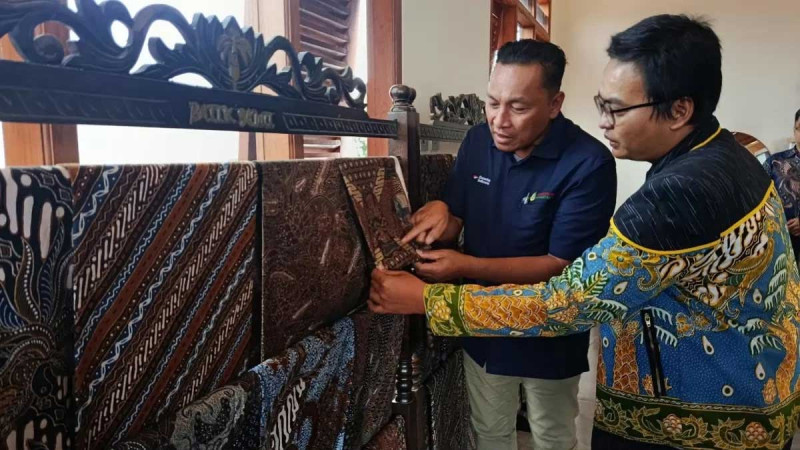
Palm-based batik is an innovation developed by Smart Batik Indonesia in late 2023. The initiative uses palm oil derivatives, including palm stearin and stearic acid, as ingredients in batik wax, known locally as malam. These materials are intended to replace part of the conventional ingredients, including animal-derived fats and paraffin.
According to information received by InfoSAWIT on Saturday, October 24, the formulation contains approximately 10–15% palm-derived ingredients. The developers say the formulation offers potential benefits for artisans, including improved working comfort and reduced residual waste.
Under the partnership, Agrinas and Smart Batik Indonesia plan to strengthen the palm-based batik value chain through skills development, workforce training, production capacity building, product innovation and the creation of new designs inspired by traditional Indonesian textiles.
The program will also introduce palm-based batik to younger audiences through Batik Sawit Goes to School. Meanwhile, Batik Sawit Goes to Palm Oil Region is intended to expand promotion and market development in areas where oil palm plantations operate.
The two partners also plan to develop exclusive Agrinas Palma motifs to establish a shared product identity and broaden marketing opportunities.
The initiative seeks to connect Indonesia’s palm oil industry with cultural preservation and small business development. By expanding the use of palm-derived materials beyond conventional plantation and processing applications, the partnership aims to create new opportunities for micro, small and medium-sized enterprises (MSMEs).
Agrinas said it would continue developing social and environmental responsibility programs aligned with community needs and sustainability objectives.
The palm-based batik initiative illustrates how downstream palm oil innovation can support creative industries while creating opportunities for local artisans and preserving Indonesia’s cultural heritage. (T1)