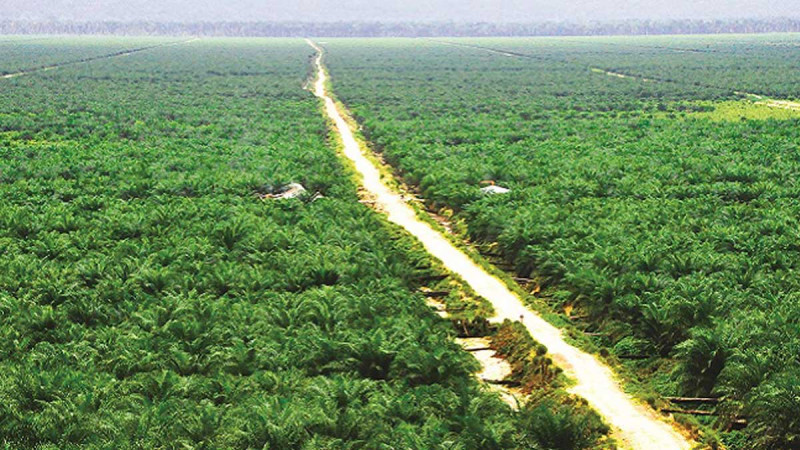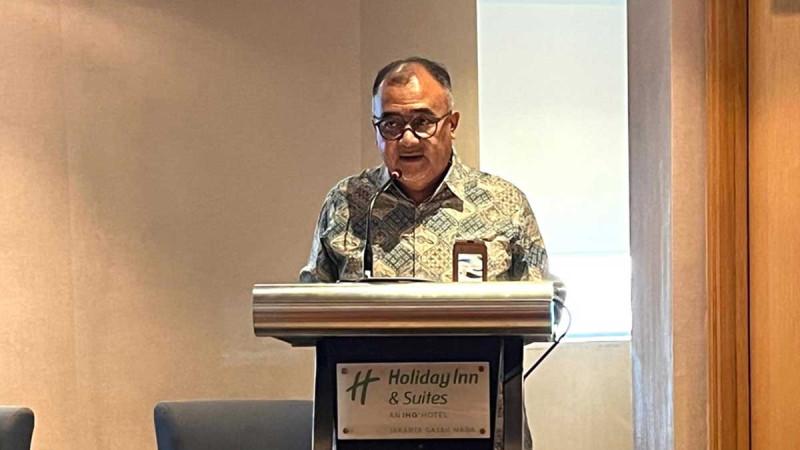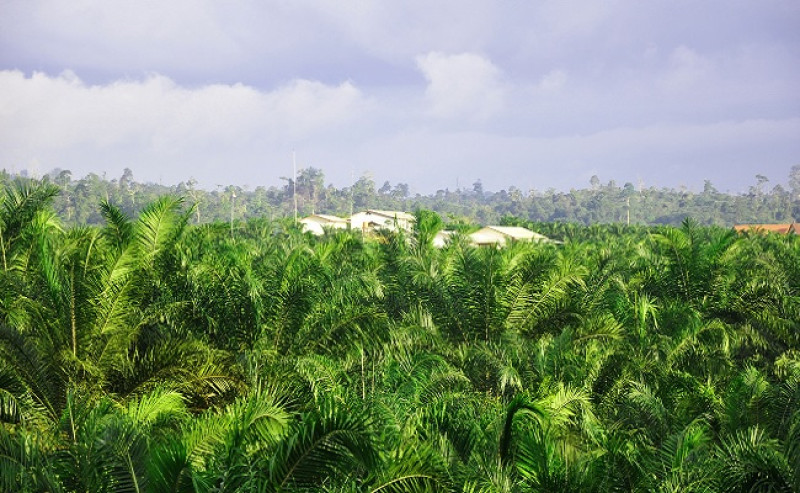
InfoSAWIT, JAKARTA – Maintaining an adequate population of healthy oil palm trees is essential to achieving high plantation productivity, according to plantation practitioner Djan Muhayat, who highlighted tree density, bunch production and average bunch weight as three key performance indicators.
Djan said plantations should aim to maintain more than 136 palms per hectare, achieve over 12 fresh fruit bunches per palm annually and sustain an average bunch weight above 15 kilograms.
“The palm population must be maintained. The key is managing those 136 palms per hectare properly and slowing the rate of decline as much as possible,” he said, as reported by InfoSAWIT from the Indonesian Oil Palm Research Institute (PPKS) social media on Friday (October 23, 2026).
He warned that losing trees at an early stage can significantly reduce a plantation’s long-term production potential.
Soil Management Crucial to Controlling Ganoderma
Djan noted that planting varieties with greater tolerance to Ganoderma does not guarantee protection against the disease. Soil conditions and the plantation’s history of infection also influence the risk.
Ganoderma causes basal stem rot, damaging the roots and lower trunk of oil palm trees. Severe infection can weaken water and nutrient uptake and compromise structural stability, potentially causing mature palms to collapse.
He therefore stressed the importance of combining appropriate planting material with sound agronomic practices, soil fertility management and organic matter maintenance.
Trichoderma as a Biological Control Option
Djan also highlighted Trichoderma, a group of beneficial microorganisms with potential for suppressing plant pathogens, as part of an integrated Ganoderma management strategy.
He illustrated the concept by comparing a hypothetical Ganoderma population of 10⁵ with a target Trichoderma population of 10⁶. The example was intended to demonstrate the principle of establishing beneficial microbial dominance, rather than prescribe a universal application rate.
Actual implementation should account for microbial strains, soil conditions, disease severity and application methods.
Djan estimated that roughly 70% of productivity-related attention should focus on preserving the palm population, while the remaining 30% should target higher production from surviving trees.
For plantation managers, protecting healthy palms, improving soil conditions and controlling Ganoderma are therefore central to sustaining productivity over the long term. (T2)