Climate Anomalies Raise Forest and Land Fire Risks, APHI Calls for Data-Driven Mitigation
InfoSAWIT, JAKARTA — Climate variability is emerging as an important factor in Indonesia’s efforts to prevent forest and land fires, with changing weather patterns, sea surface temperatures and rainfall distribution influencing fire risks across different regions.
Indonesian Forest Concessionaires Association (APHI) Chairman Soewarso highlighted the importance of monitoring climate dynamics, including changes in sea surface temperatures in the Pacific and Indian oceans, which influence air mass movements and moisture distribution over Indonesia.
These factors can affect local weather conditions and the timing and intensity of dry periods, making fire risks uneven across the country.
As a result, historical seasonal patterns alone are not sufficient to determine when and where fire risks will peak. Regular monitoring of weather conditions and regional vulnerability data is needed to ensure preventive measures reflect changing conditions on the ground.
Risk Mapping Must Reflect Local Conditions
Indonesia’s diverse landscapes require different approaches to fire prevention. Some areas become particularly vulnerable when rainfall declines and land dries out, increasing the need for targeted monitoring and preparedness.
Weather information should therefore be combined with land-cover data, vegetation conditions, water availability and historical fire records. This approach can help companies, government agencies and communities identify areas requiring more intensive surveillance.
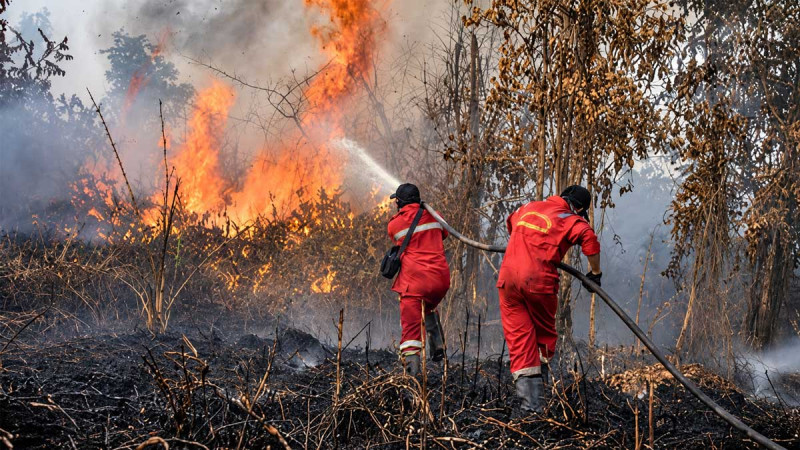
Preventive action should begin before fires occur. Early detection, patrols in vulnerable areas, inspections of water sources, and the readiness of personnel and equipment are essential components of effective mitigation.
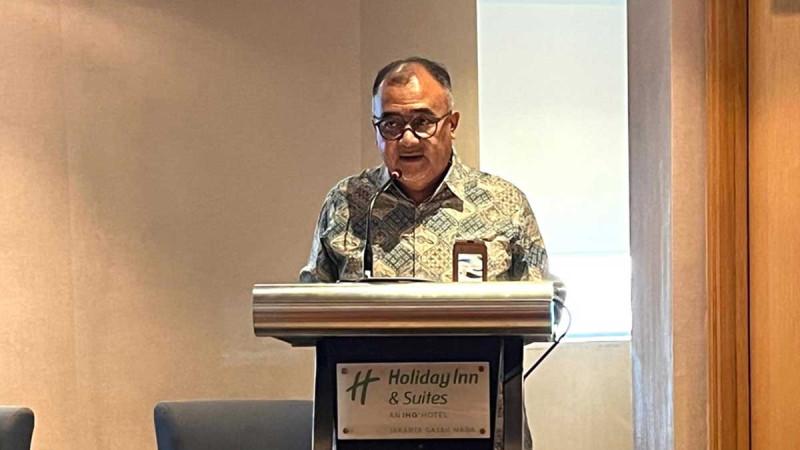
Speaking at an event organised by Forwatan in early October 2026, Soewarso also stressed the need for a more structured approach to fire prevention. Lessons from previous incidents should inform future strategies rather than focusing solely on extinguishing fires after they have spread.
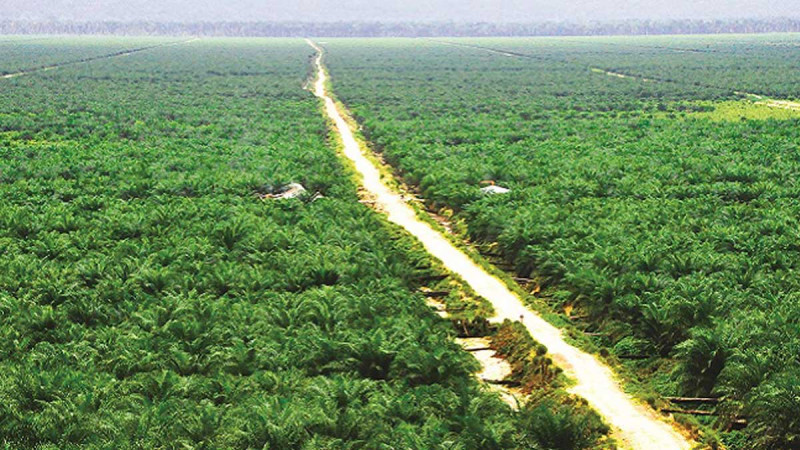
For forestry and plantation businesses, including oil palm companies operating in fire-prone areas, understanding environmental changes is increasingly important for operational planning.
Combining climate information, risk mapping, field preparedness and coordination among stakeholders can support earlier and more targeted prevention efforts.
A data-driven approach is expected to strengthen Indonesia’s ability to anticipate fire threats and tailor mitigation measures to the characteristics of individual regions. (T2)