InfoSAWIT, JAKARTA – Ganoderma disease is not necessarily a problem confined to replanted oil palm areas. First-generation plantations can also face the disease, making early monitoring and integrated soil management increasingly important for plantation operators.
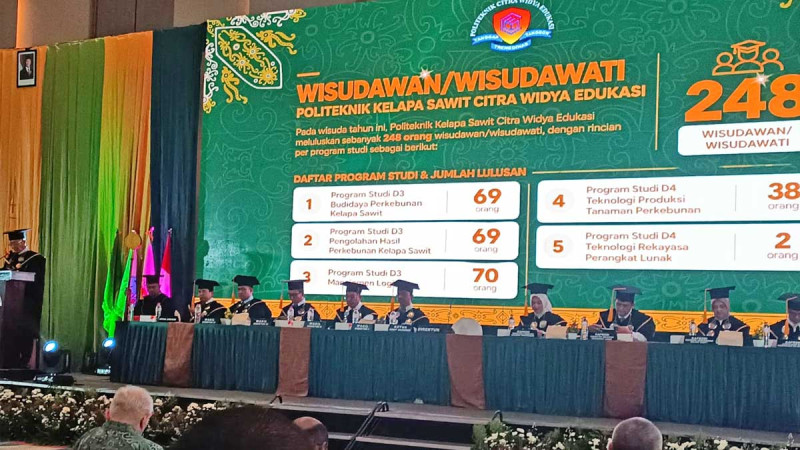
The issue was highlighted by Marlon Sitanggang, Head of Agronomy at PT Union Sampoerna Triputra Persada, during the IPS Planters Talk 2026, themed “From High Yield Estate to Sustainable Excellence,” on Saturday (Sept. 26, 2026).
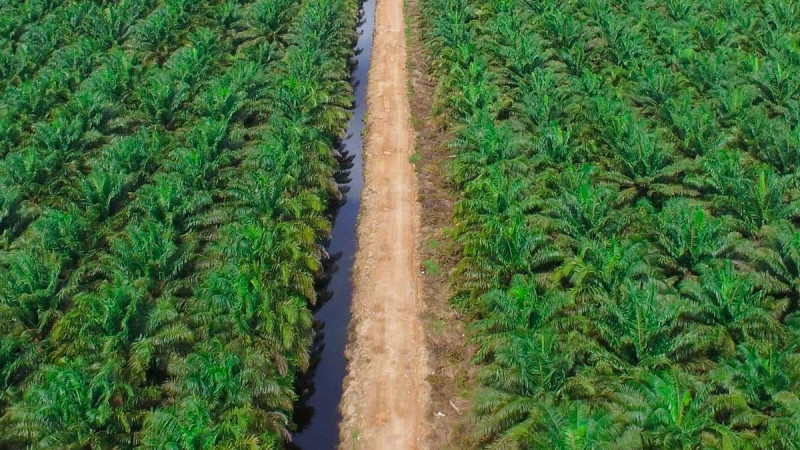
Marlon said the assumption that first-generation plantations are completely free from Ganoderma needs to be reconsidered. According to his field experience, Ganoderma inoculum can already exist in forest vegetation before an area is converted into an oil palm plantation.
“There is no longer a guarantee that first-generation areas will not be affected by Ganoderma,” he said.
Root Contact Becomes a Management Concern
The disease can become more apparent as palms age. Marlon noted that symptoms tend to become increasingly visible in palms older than 13 years, becoming more pronounced around 15 years and particularly after 20 years.
One management approach discussed was the use of isolation trenches to reduce contact between root systems, which can become one of the pathways associated with disease spread.
Marlon said the approach had shown results in reducing disease pressure in replanting areas. However, he stressed the importance of recording fallen palms in greater detail.
Rather than simply recording a fallen palm as a population loss, plantation managers should investigate the cause to determine whether Ganoderma may be involved.
Soil Health and Biological Control
Marlon also emphasized the importance of organic matter management. Properly managed organic matter can support soil microorganisms and contribute to plant health, while biological control agents such as Trichoderma and mycorrhiza can form part of an integrated approach.
However, he cautioned that biological agents cannot be viewed as a standalone solution. Soil conditions and sufficient organic matter are needed to support their effectiveness.
Ultimately, Ganoderma management requires an integrated strategy covering inoculum sources, early monitoring, root-contact management, fallen-palm records, organic matter and biological control.
For plantation managers, the approach suggests that disease management should begin before symptoms become visible, with soil and ecosystem conditions considered from the earliest stages of plantation development. (T2)
Source: InfoSAWIT