InfoSAWIT, SANGATTA — Amid global market uncertainties and commodity price fluctuations, East Kutai Regency (Kutim) is adopting a bold and focused new strategy. Determined to reduce reliance on raw material exports such as Crude Palm Oil (CPO) and Fresh Fruit Bunches (FFB), the Kutim government is now actively promoting downstream processing and diversification in the plantation sector as a cornerstone for sustainable economic development.
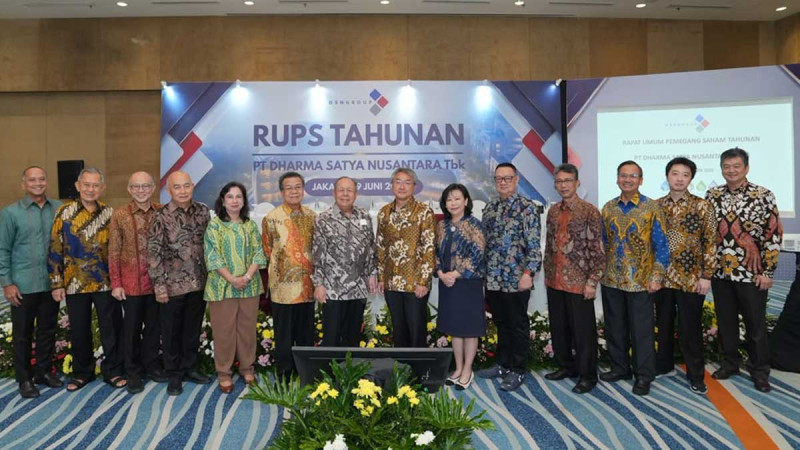
This significant move was highlighted during a Memorandum of Understanding (MoU) signing ceremony held at the Royal Victoria Hotel in Sangatta last Tuesday. Present at the event was Kutai Timur Regent Ardiansyah Sulaiman, who witnessed the collaboration between the Plantation Office, the Cooperatives and SMEs Office, 13 palm farmer cooperatives, and several major companies in the palm oil sector.
However, the event was not merely ceremonial; it also marked a pivotal moment for 614 smallholder palm farmers who officially received their Cultivation Registration Certificates (STDB). This legal recognition encompasses a total area of 1,434 hectares, opening wider opportunities for farmers to engage in partnership programs, training, and access to financing.
“We cannot continue to export raw materials indefinitely. It is time for Kutim to develop downstream industries such as cooking oil, soap, cosmetics, and even biodiesel and pharmaceutical products,” emphasized Ardiansyah in his speech, as reported by InfoSAWIT from the Kutai Timur government on Friday (July 18, 2025). “This will create jobs, add value, and boost regional income.”
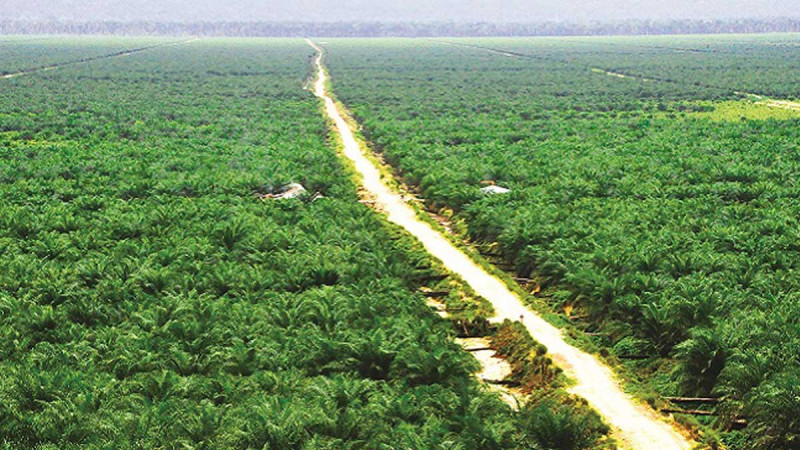
As a center for palm oil production in East Kalimantan, Kutai Timur is seen as having significant potential to play a role beyond just being a raw material supplier. However, historically, most of the harvests have been sold without processing. For Regent Ardiansyah, this outdated model must change immediately.
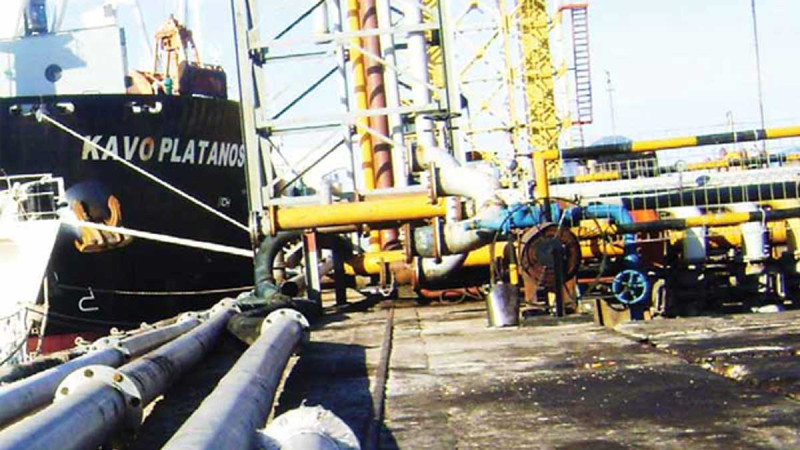
To support this transformation, the Kutim government has prepared the Maloy International Industrial and Port Area (KIPI) as a hub for palm oil downstream industries. Its strategic coastal location, coupled with ready infrastructure and policies, is expected to attract investors.
“We are simplifying regulations. We are easing licensing. Kutim is open for investment in the palm oil processing sector,” added Ardiansyah.
Moreover, Kutim is not placing all its hopes on a single commodity. Plantation diversification emerged as another key theme during the event. Commodities such as bananas, rubber, cocoa, pepper, pineapples, and vanilla are being prepared for elevation, with intensive coaching, skills training, and cooperative strengthening.
“If palm oil prices drop, farmers should not fall with it. Therefore, we must start cultivating strong alternatives,” said Ardiansyah. He provided examples, noting that bananas can be processed into chips or flour, while rubber can be developed through tapping training and cooperative strengthening. Other commodities, such as pineapples, cocoa, and pepper, also hold significant potential in both local and export markets—provided there is appropriate support.
The event was also attended by the Head of the Kutim Cooperatives and SMEs Office, Teguh Budi Santoso, Acting Head of the Plantation Office, Iip Sumirat, district heads, village heads, palm oil company leaders, and representatives from farmer cooperatives. A collaborative atmosphere was evident, reflecting a shared commitment to creating an economy that relies not only on raw materials but also on added value and sustainability.
“May the issuance of STDB and the signing of this MoU today strengthen the bargaining position of Kutim's palm farmers amid global business challenges,” concluded Ardiansyah. (T2)