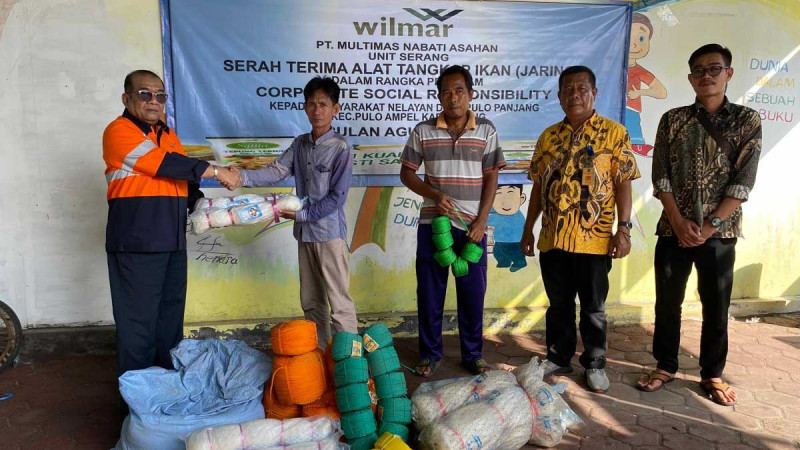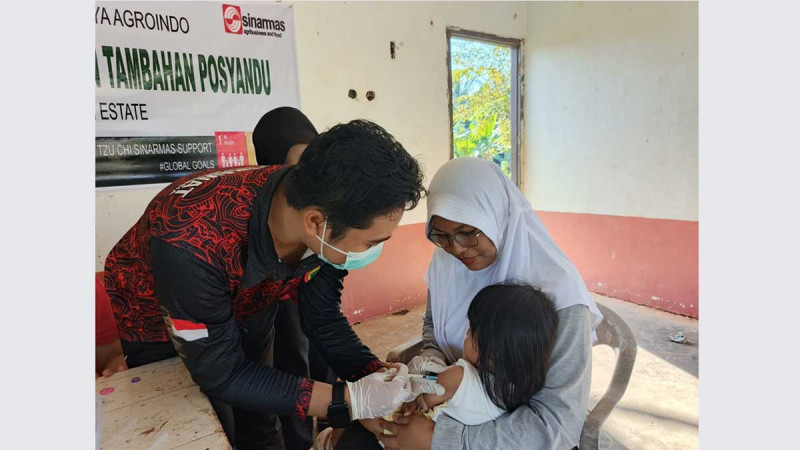
InfoSAWIT, JAKARTA – The palm oil sector’s commitment has proven to extend beyond plantation development, making a significant contribution to improving community welfare.
Over the years, the palm oil sector has played a pivotal role in uplifting the economic conditions of rural communities, particularly in remote areas. According to Ignatius Ery Kurniawan, Editor-in-Chief of InfoSAWIT, the sector’s current initiatives have demonstrated that palm oil plantations are not just about cultivating land but also significantly bolstering local economies.
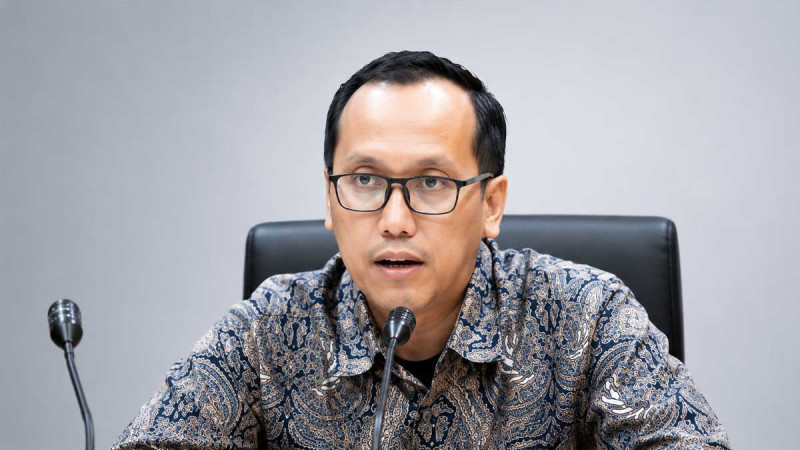
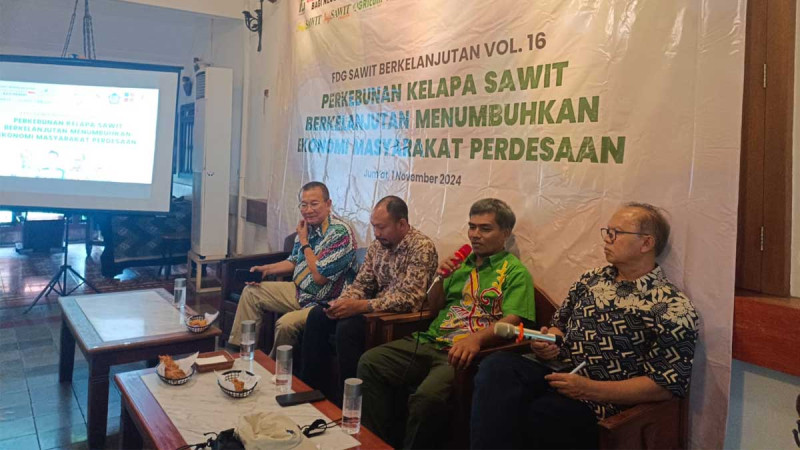
"When a region develops palm oil plantations, the transformation is evident. Remote villages evolve into more advanced areas, eventually contributing to provincial growth," Ery explained during the FGD SAWIT BERKELANJUTAN VOL 16 event. The discussion, titled “Sustainable Palm Oil Plantations Driving Rural Economic Growth,” was hosted by InfoSAWIT with support from BPDPKS in early November 2024 in Jakarta.
Ery highlighted that this transformation is a long-term process, taking years or even decades. He connected the palm oil sector’s role to regional expansion, noting Indonesia’s increase in provinces from 34 to 38, partly fueled by revenue from palm oil plantations.
As the nation prepares to celebrate Palm Oil Day on November 18, Ery acknowledged the growing involvement of rural communities in this sector. However, he pointed out the challenges, particularly the limited presence of farmer organizations. "Many farmers lack cooperatives or groups, emphasizing the need for support and guidance from relevant stakeholders," he stated.
Ery emphasized the importance of plantation companies assisting independent farmers. He envisions farmers forming larger cooperatives to strengthen their bargaining power. "From small groups of 10–20 members, we aim to see these cooperatives grow to include dozens or even hundreds," he added.
Another critical area is funding for plantation rejuvenation, which Ery considers a priority for boosting productivity. "We must discuss improving palm oil productivity, and one way is through replanting initiatives," he said, advocating for financial grants from the government through BPDPKS.
Infrastructure challenges also plague smallholder farmers. "Subsidies for infrastructure and facilities are crucial as many farmers still lack proper resources," Ery explained, urging for attention to this issue to enhance crop yields.
During the stakeholder discussion involving farmers, companies, and government representatives, Ery stressed the need for mutually beneficial partnerships. "Transparency is key in partnerships between farmers and companies to avoid future conflicts," he warned.
Closing his presentation, Ery highlighted the importance of empowering farmers. "We hope farmers can become self-reliant and manage their businesses effectively," he said. Initiatives by organizations like the Palm Oil Farmers Union (SPKS) aim to equip farmers with knowledge on sustainable and best agricultural practices.
The palm oil sector’s continued support is vital for fostering resilient rural economies and empowering smallholder farmers to thrive sustainably. (T2)
For more in-depth insights, read the November 2024 edition of InfoSAWIT Magazine. (*).