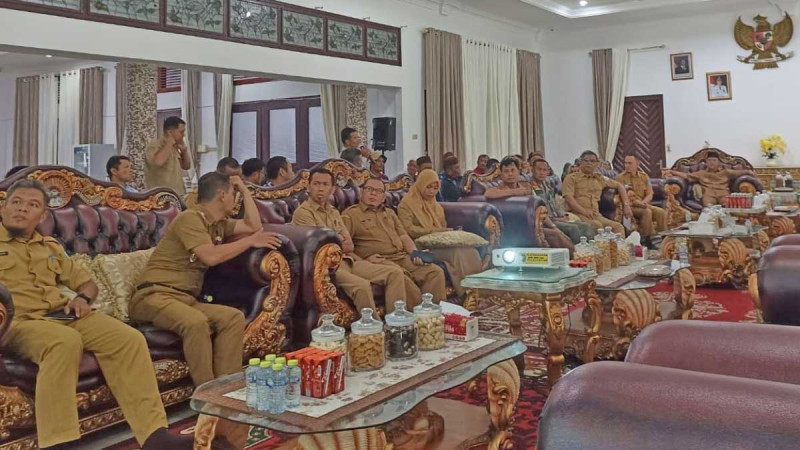
InfoSAWIT, BANJARBARU – South Kalimantan Province emphasized its commitment to accelerate sustainable palm oil plantation development. This, of course, would not go by its self but need helps the supports and active participation from the regents where palm oil plantations develop. This is also taken to make sure that sustainable palm oil plantations in the province would develop well.
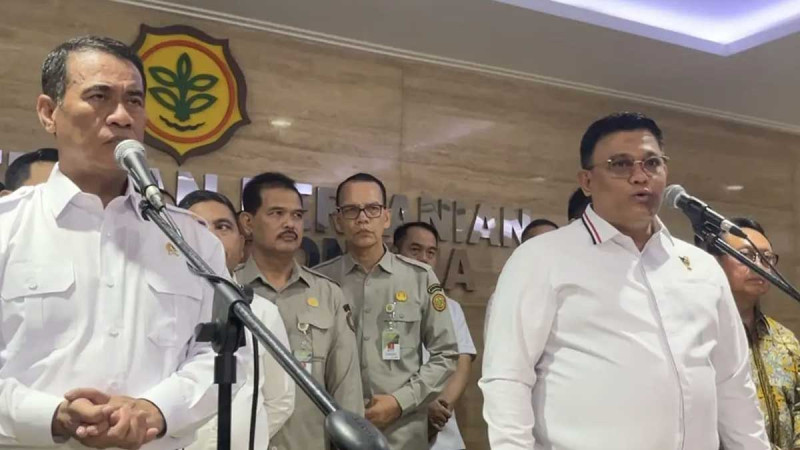
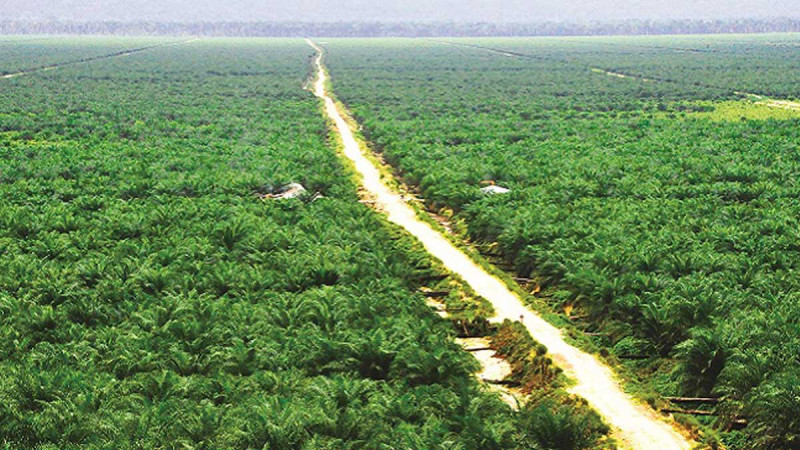
Regional Secretary of South Kalimantan Province, Roy Rizali Anwar represented by Head of Livestock and Plantation Agency, Suparmi said that data statistic about palm oil plantations in 2023 in the province laid about on 443.802 hectares and cultivated by 89 big private and government’s companies. “Besides, about 24 percents of the numbers were cultivated by smallholders or about 107.582 hectares,” he said, as InfoSAWIT quoted from the official page of South Kalimantan Province, Sunday (14/4/2024).
There were 46 palm oil mills within fresh fruit bunch (FFB) production about 5.340.501 tons/year or equal to crude palm oil (CPO) about 1.168.372 tons/year. Not only that, downstream industries have been developing for there are about 3 palm cooking oil factorits and 2 biodiesel factories in the province. Everything is about to deliver advantages for the people and support environmental conservation through green economic development concept.
Suparmi also mentioned that South Kalimantan published a Governor’s Regulation Number 013 / 2023 about Rencana Aksi Daerah Kelapa Sawit Berkelanjutan (RAD–KSB) South Kalimantan Province in 2022-2024. This is the realization of South Kalimantan governor’s commitment to realize the vision and missin of South Kalimantan as the gate of Indonesia Capital. One main mission is to encourage equal economic development in the province.
The latest progress showed that sustainable palm oil plantations keep developing as the way to improve plantation governance. Every palm oil industry has been recorded through Sistem Informasi Perkebunan Kelapa Sawit (SIPERIBUN) in the province. Until now there have been 71 companies or 80 percent of 89 companies recorded in SIPERIBUN, while the rests are still encouraged to report independently. In smallholders’ plantations, they have been recorded through Sistem Tata Kelola Data Basis (STDB).
The government keeps encouraging to accelerate the solution of too late palm oil plantation business in forest regions by corporates or smallholders. The collaboration between South Kalimantan Province and Indonesian Palm Oil Association keeps running in coordination, socializations, advocacy, development, and supervision.
Suparmi continued that fund optimization from Palm Oil Plantation Fund Management Agency keeps being running to support palm oil plantation activity. The fund covers infrastructures, intensification (fertilizers and herbicides) production and productivity, human resources enhancement through trainings and education. (T2)