InfoSAWIT, JAKARTA – Improving palm oil extraction rates requires more than optimizing mill operations. Fresh fruit bunch (FFB) quality, grading standards and tighter control over processing losses all play important roles in determining how much oil can be recovered from incoming raw materials.
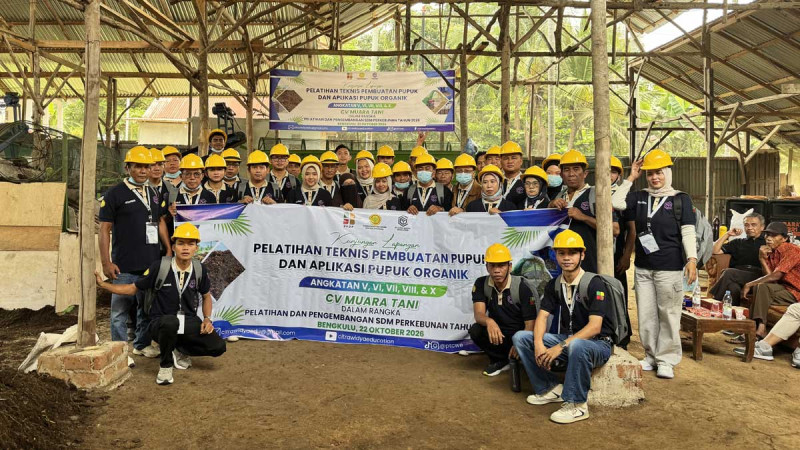
Bonar Saragih, a palm oil mill specialist and director of PT Mitra Agro Servindo, emphasized the importance of evaluating mill performance as a complete system during IPS Planter Talk Series #4, titled “Building a High Extraction, Low Loss and Reliable Palm Oil.” InfoSAWIT attended the event on Saturday (October 24, 2026).
Based on his consulting experience at several mills, Bonar estimated that approximately 80% of extraction performance is associated with raw material quality, while the remaining 20% depends on processing operations. He clarified that this estimate reflects practical experience rather than findings from a controlled scientific study presented at the event.
Unripe fruit can significantly reduce oil recovery potential. Therefore, FFB quality control should begin at the purchasing stage and continue until the fruit enters the processing line.
FFB Grading Requires Consistent Standards
Bonar highlighted the importance of inspecting externally purchased FFB. Effective grading requires sufficient personnel, clear assessment criteria and consistently applied procedures.
He warned that subjective assessments alone are insufficient. Mills should establish clear fruit acceptance standards, train grading personnel and maintain documentation to ensure that inspection decisions can be properly evaluated.
Reducing the waiting time between FFB reception and processing is another priority. Mill operators need to coordinate fruit deliveries, transportation schedules and processing capacity to prevent excessive delays.
Data-Driven Oil Loss Control
Beyond extraction rates, Bonar stressed the need to monitor oil losses at different stages of processing.
Laboratory testing, product quality monitoring and process parameter evaluations can help mills identify where oil recovery is being compromised. Particular attention should also be paid to residual oil in liquid waste, which may indicate shortcomings in separation and oil recovery systems.
Operational data should serve as the basis for corrective action rather than merely fulfilling reporting requirements.
Bonar also cautioned against pursuing higher extraction rates at the expense of product quality. Any process adjustment should be evaluated for its impact on final product quality, energy consumption and operating costs.
By improving FFB quality, strengthening grading procedures and controlling oil losses through consistent measurement, palm oil mills can enhance extraction performance and operational efficiency. (T2)