InfoSAWIT, JAKARTA – Oil palm growers are being encouraged to pay closer attention to black bunch census activities, a field observation method considered crucial for improving crop forecasting accuracy, labor planning, and harvest logistics management across plantations.
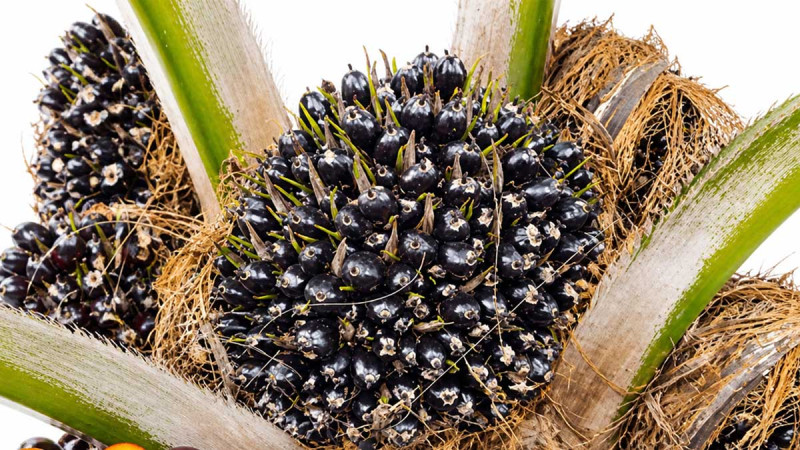
Palm Oil Research Center (PPKS) practitioner Djan Muhayat emphasized that mid to late April marks a critical window for growers to monitor the emergence of black bunches on oil palm trees, as these early fruit formations provide important indicators of production potential in the coming months.
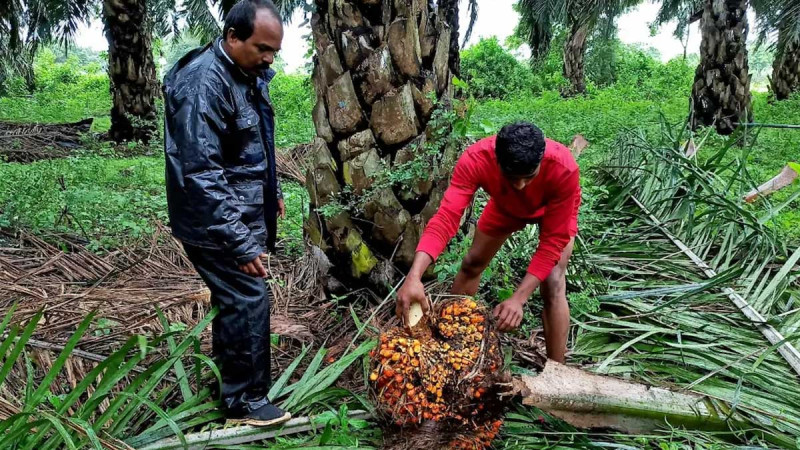
Speaking through a presentation aired on PPKS TV and monitored by InfoSAWIT on Monday (May 4, 2026), Djan explained that previous field observations conducted between December 15 and 31 identified six black bunches on first-year mature palms.
“After four months, all six bunches developed well, with an average bunch weight of around 9 kilograms, resulting in an estimated yield of approximately 54 kilograms per tree for first-year mature palms (TM1) of the PPKS 540 variety,” Djan noted.
He said the findings highlight that black bunch census is far more than a routine monitoring exercise—it serves as a strategic management tool that enables plantations to build more accurate production forecasts.
Further observations showed that the number of potential bunches had increased to around 10 bunches, reflecting continued flower development and suggesting stronger harvest prospects for the next production cycle.
Key Tool for Harvest Planning
According to Djan, data collected during April will become the basis for estimating production from May through August, or the second four-month harvest cycle.
However, he cautioned growers not to include bunches that have already started changing color toward red in black bunch census calculations, as these bunches are entering the ripening stage and should instead be categorized as harvest-ready fruit.
“Once the fruit begins turning red, it is no longer counted in black bunch census because it has already entered the next harvesting phase,” he explained.
Better Census, Better Operational Efficiency
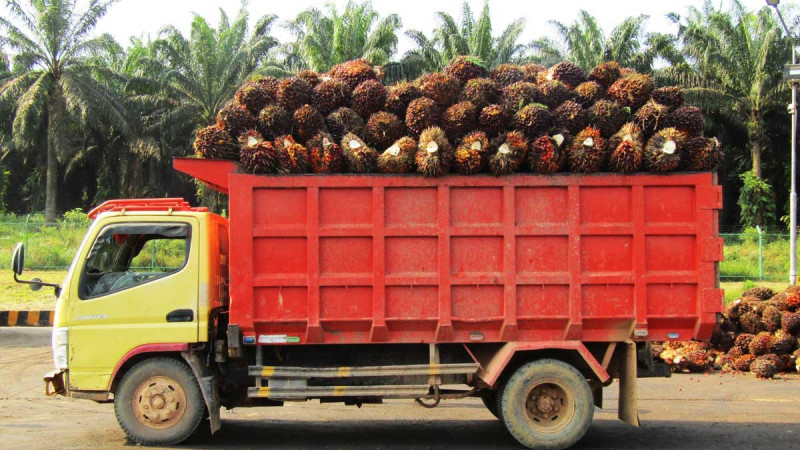
Djan added that the benefits of black bunch census extend well beyond yield prediction. Accurate data also help plantation managers calculate labor requirements more precisely—from harvesters and loose fruit collectors to transport crews responsible for moving fresh fruit bunches (FFB) to loading ramps.
“With precise census data, plantation management can estimate how many harvest workers are needed, how much transport capacity must be prepared, and how harvest security should be organized so that all production potential can be collected optimally,” he said.
He stressed that accurate production forecasting remains one of the most important drivers of operational efficiency in oil palm plantations, particularly in minimizing crop losses and maximizing field productivity. (T2)