InfoSAWIT, JAKARTA – Supercapacitors are increasingly seen as a key technology in supporting national energy independence. Interestingly, empty palm oil fruit bunches (TKKS) are now considered to have great potential as an eco-friendly carbon material for future energy storage devices.
This issue was raised during the SISTEM #5 webinar titled "Advances in Supercapacitor Devices: From Microstructure Engineering to Biomass-Derived Carbon Material," held on Tuesday (8/26). The Head of the National Research and Innovation Agency (BRIN)'s Electronics Research Center, Prof. Yusuf Nur Wijayanto, affirmed that supercapacitor research is an important part of the national clean energy transition agenda.
"The use of palm oil biomass waste as an environmentally friendly carbon material, combined with microstructure engineering strategies, has great potential to improve supercapacitor performance," he said. He hopes this research can strengthen the clean energy innovation ecosystem through collaboration across institutions and stakeholders.
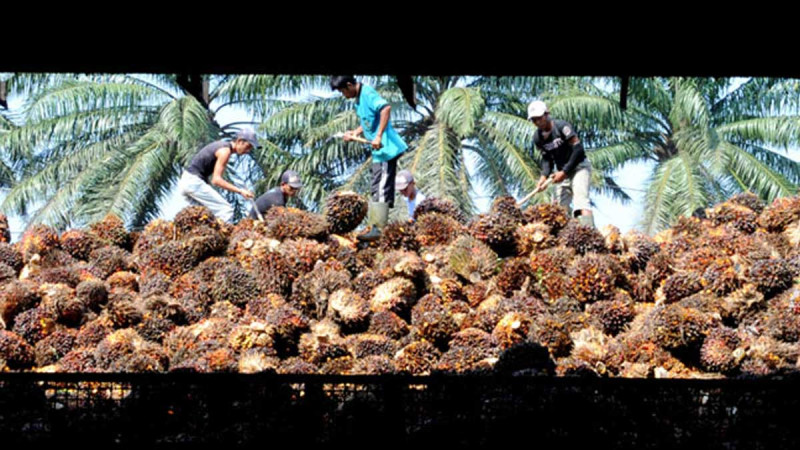
During the event, BRIN Research Professor Rike Yudianti highlighted the potential of TKKS as a high-value raw material. As palm oil production increases, TKKS can be processed into porous carbon graphite, nanocellulose, and nano-silica—three materials that are key to the development of sustainable energy.
Rike explained that TKKS-based supercapacitors have proven to have stable performance even after thousands of usage cycles. "Our research target is to produce a device with performance equivalent to a battery, but made from more environmentally friendly carbon," she said, as quoted by InfoSAWIT from BRIN on Tuesday (9/2/2025).
In line with this, Physics Professor at Malang State University, Prof. Markus Diantoro, emphasized the importance of microstructure modification in improving supercapacitor performance. "This engineering opens up opportunities to create devices with larger and more efficient capacity, thereby maximizing the storage of renewable energy," he said.
With the support of innovative research on local biomass-based materials, supercapacitors not only address future energy storage needs but also provide a strategic solution for harnessing the vast potential of Indonesia's palm oil plantation sector in supporting a sustainable clean energy transition. (T2)