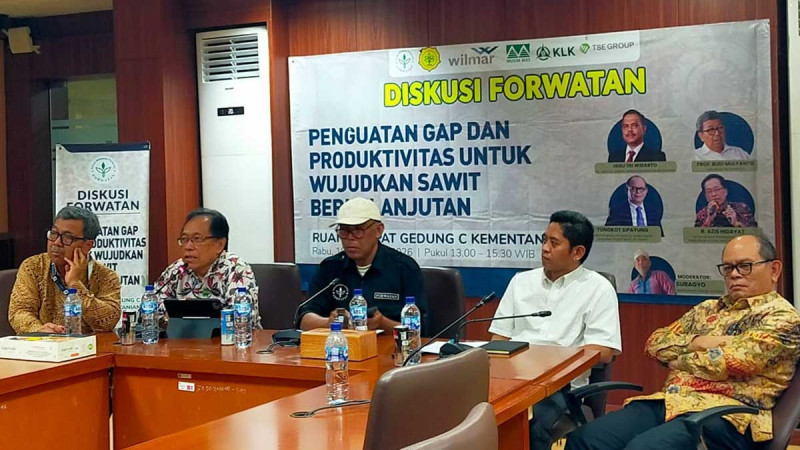
InfoSAWIT, JAKARTA – Indonesia's palm oil industry faces growing structural challenges as plantation productivity weakens and ageing trees require replanting. Industry players say improving yields through better agricultural practices and accelerating the Smallholder Palm Oil Replanting Programme (PSR) are increasingly urgent to maintain the country's global competitiveness.
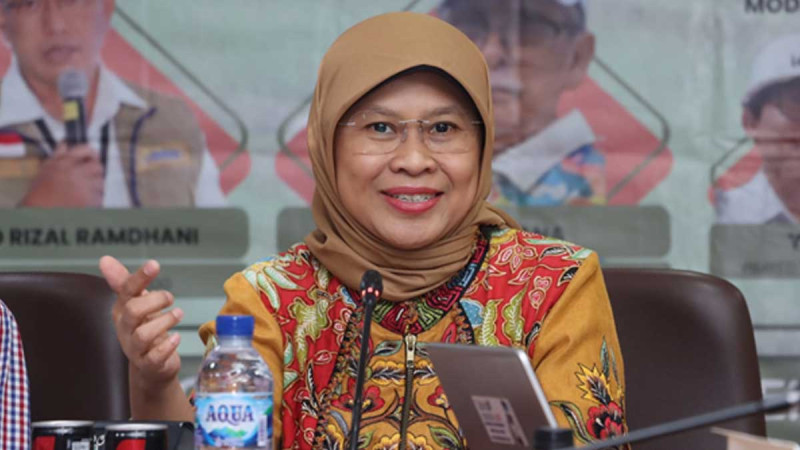
Chairman of the Plantation Division at the Indonesian Palm Oil Association (GAPKI), Azis Hidayat, said productivity improvements must become a central priority as domestic consumption and international demand for palm oil continue to evolve.
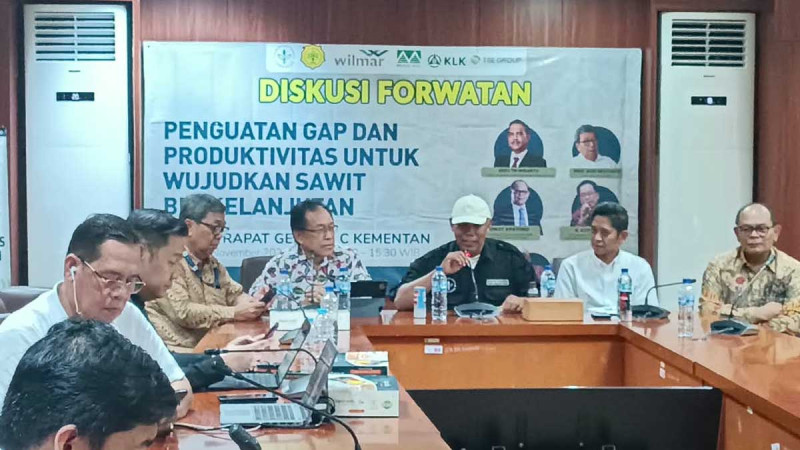
Speaking at a Forwatan discussion titled “Strengthening GAP and Productivity for Sustainable Palm Oil” in Jakarta on Wednesday, November 18, Azis warned that the declining productivity trend over the past five years requires serious attention.
Rising domestic consumption, including demand generated by biodiesel programmes, will increase Indonesia's palm oil requirements. Without stronger plantation productivity, maintaining supply could become more challenging and increase pressure to expand plantation areas.
One of the key solutions is accelerating the PSR programme, which aims to replace ageing and less productive palms with superior planting materials while improving plantation management.
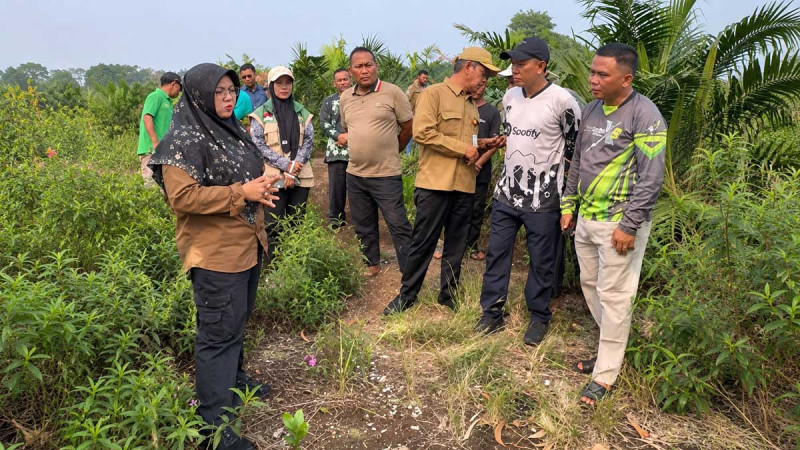
However, implementation continues to face obstacles, particularly land legality issues. Plantations located within forest areas or lacking adequate legal documentation can face lengthy administrative procedures, delaying replanting applications.
Azis also encouraged stronger partnerships between plantation companies and smallholders. Such arrangements can help farmers with documentation, technical assistance, plantation management, and access to established supply chains.
Good Agricultural Practices Remain Essential
Beyond replanting, productivity improvements depend on consistent implementation of Good Agricultural Practices (GAP).
Azis said palm oil yields are influenced by several factors, including planting material quality, soil conditions, climate, cultivation techniques, and harvesting practices.
GAP implementation must cover the entire plantation cycle, from land preparation and planting to crop maintenance, harvesting, and fresh fruit bunch (FFB) handling.
The use of certified superior planting materials is particularly important. Plantation management must also consider local environmental conditions, including peatland characteristics, to prevent ecological damage.
He also highlighted the importance of preventing forest and land fires, warning that irresponsible land-clearing practices could damage Indonesia's reputation in international markets.
Regulatory Certainty and Supply Chain Integration
GAPKI also called for clearer regulations governing smallholder plantation development obligations, licensing, and supervision of palm oil processing facilities.
According to Azis, regulatory uncertainty can delay investment and complicate partnership arrangements between companies and smallholders.
Better plantation data and information are also needed, particularly regarding the relationship between plantations and palm oil mills. Accurate information is essential for monitoring processing capacity, verifying raw material origins, and improving supply chain management.
With global vegetable oil competition and geopolitical uncertainty continuing to influence the market, GAPKI believes productivity improvements, faster replanting, regulatory certainty, and stronger partnerships will be critical to sustaining Indonesia's palm oil industry. (T2)