InfoSAWIT, JAKARTA – Indonesia's average palm oil productivity, estimated at around 3.4 tonnes of oil per hectare annually, still requires improvement, particularly through better management of smallholder plantations.
The Ministry of Agriculture says improving national productivity will require more than government policies alone. Stronger partnerships with plantation companies, improved farmer capacity, and the replanting of ageing and unproductive palms will also be essential.
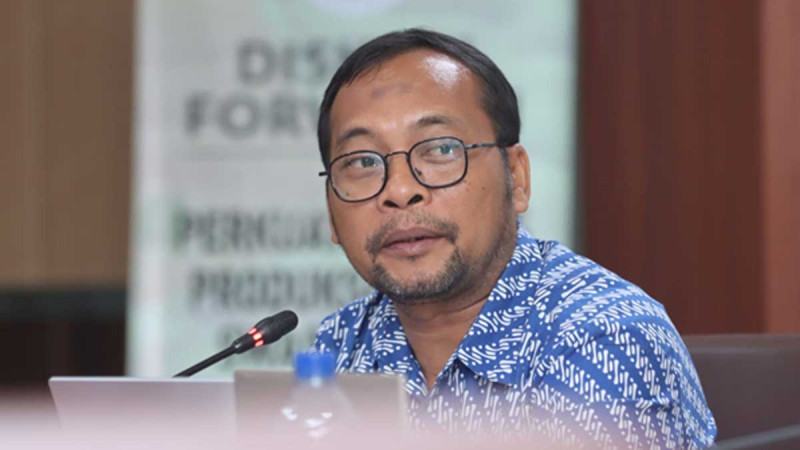
Mula Putra, Head of the Palm Oil and Other Palms Institutional Empowerment Group at the Ministry of Agriculture, said smallholder plantations play a crucial role in determining the future of Indonesia's palm oil industry.
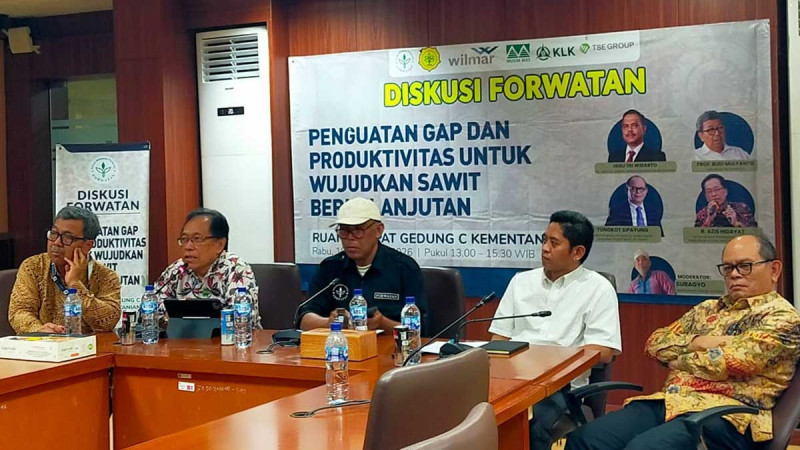
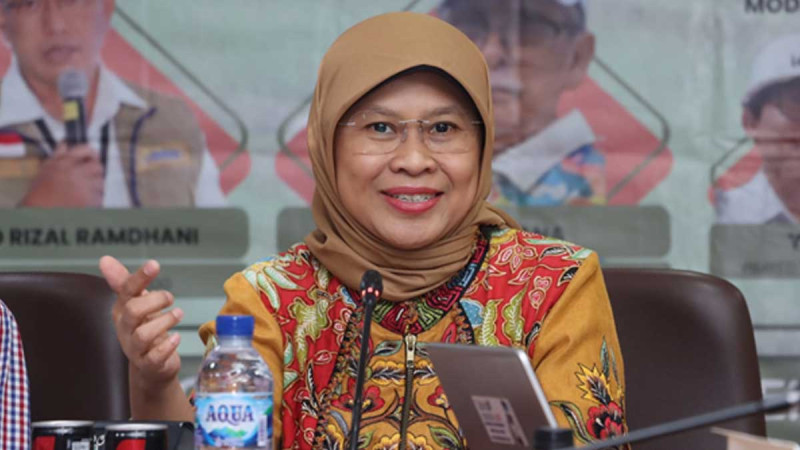
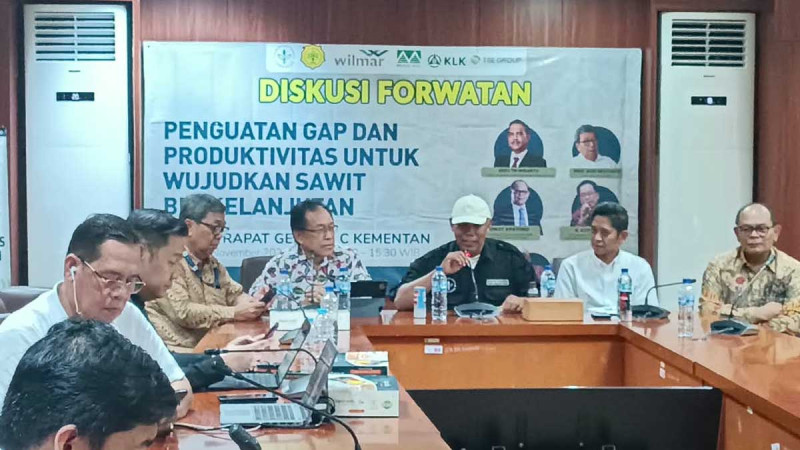
Speaking at a Forwatan discussion titled “Strengthening GAP and Productivity for Sustainable Palm Oil” in Jakarta on Wednesday, November 18, he said productivity strategies must directly address smallholder needs rather than focus exclusively on large-scale plantations.
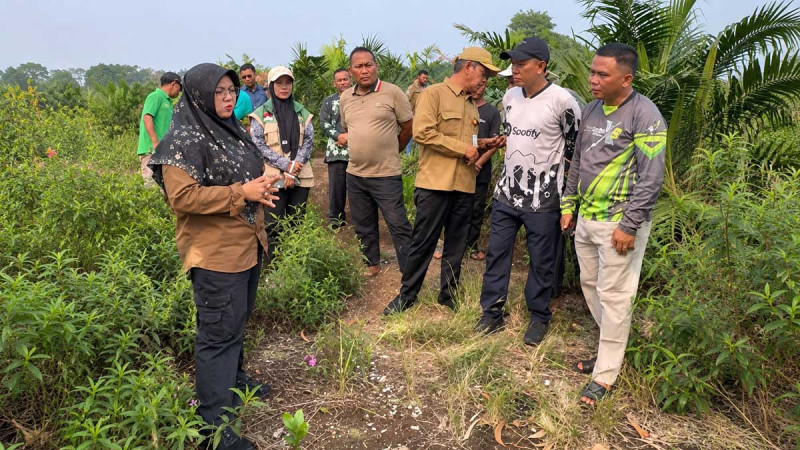
Indonesia's smallholders account for approximately 41% of the country's total oil palm plantation area, making improvements in this segment particularly important for national production and industry sustainability.
Mula Putra also warned that climate change, including the potential effects of El Niño on rainfall patterns and plantation conditions, could place additional pressure on yields.
Stronger Partnerships with Smallholders
One important approach is to expand partnerships between plantation companies and smallholders.
Such cooperation can include technical assistance, institutional strengthening, human resource development, and better integration of smallholders into established supply chains.
Mula Putra said large plantations and smallholder operations require different policy approaches. Large companies can be encouraged through regulations, incentives, and corporate obligations, while smallholders often need more direct support to improve productivity and meet sustainability requirements.
The Smallholder Palm Oil Replanting Programme (PSR) remains an important instrument for replacing ageing palms. However, land legality, institutional readiness, and administrative requirements continue to present challenges.
Company partnerships can help address some of these barriers by supporting farmers with technical guidance and plantation management.
Certification Must Deliver Practical Improvements
Mula Putra also stressed that sustainability should not be measured solely by certification ownership.
Standards such as Indonesian Sustainable Palm Oil (ISPO) must lead to tangible changes in plantation management, including better environmental protection, responsible land management, and improved agricultural practices.
He compared certification to more than an administrative document, emphasising that its real value lies in how effectively farmers apply its requirements in daily operations.
Strengthening human resources and providing continuous assistance to smallholders will therefore remain important components of Indonesia's sustainability agenda.
Ultimately, improving national palm oil productivity requires an integrated approach. Better agricultural practices, accelerated replanting, land legality solutions, stronger company partnerships, and smallholder empowerment must move forward together. (T2)