InfoSAWIT, JAKARTA – Strengthening Indonesia's domestic seed industry is essential to building national food self-sufficiency, with better research, supply chain management, and collaboration between public and private sector players needed to secure reliable seed supplies.
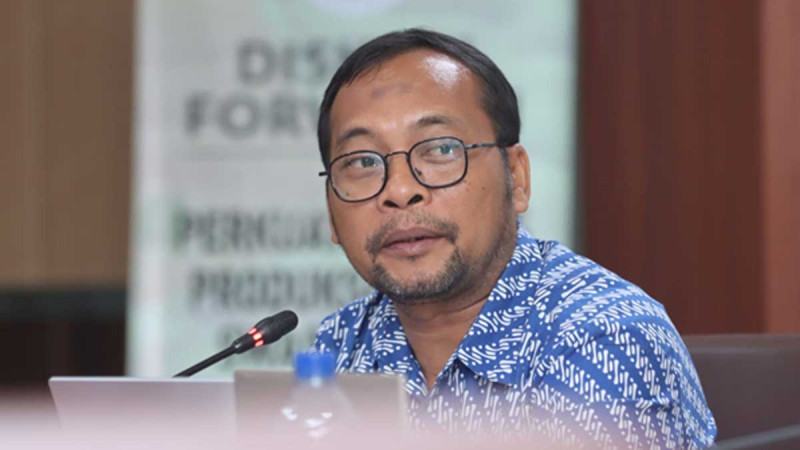
Vice President of Research at PT Sang Hyang Seri, Agustinus Budi, said the development of a stronger national seed ecosystem must go beyond increasing production capacity. It also requires better coordination between regional demand, suitable varieties, production capacity, and distribution networks.
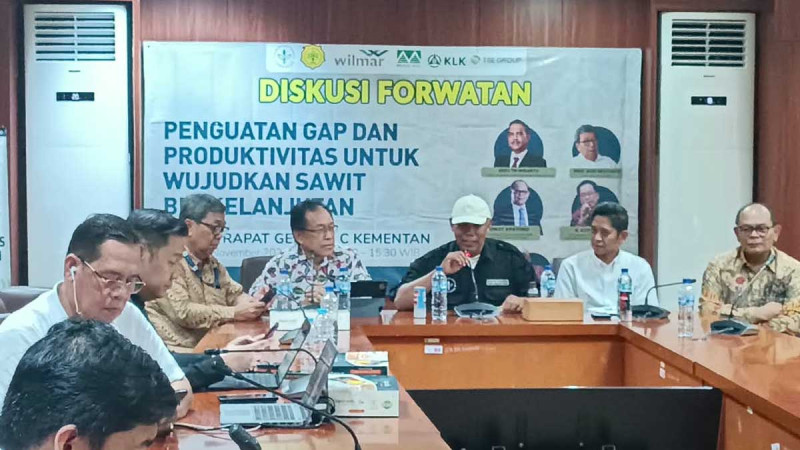
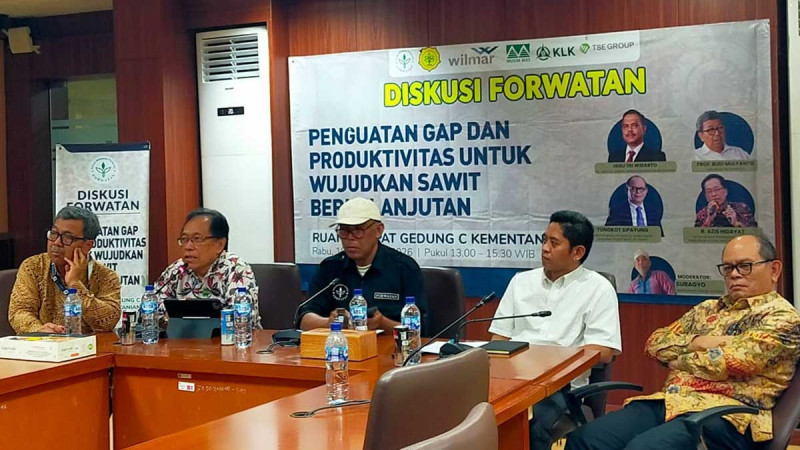
Speaking at a discussion titled “Strengthening Production Infrastructure for Sustainable Food Self-Sufficiency” in Jakarta on Wednesday, November 18, Agustinus identified several challenges facing Indonesia's seed sector, including mismatches between regional demand and available varieties, delayed seed availability, and inconsistent quality among producers.
He said seed development should begin with more accurate mapping of regional requirements. Varieties must be suited to local growing conditions, including differences in soil characteristics, climate, and cultivation environments.
Research and Seed Industry Investment
Agustinus also highlighted the importance of strengthening plant breeding research, including the use of genomic approaches and the development of genetic resources.
Domestic breeding capabilities need to be supported by reliable seed production, quality assurance, and faster access to genetic materials for agricultural development.
He added that a healthy business environment is necessary to attract investment and innovation. Fair competition, market certainty, and protection of intellectual property rights are among the factors that could encourage companies to expand their research and production activities.
Another priority is establishing a national seed reserve system.
Unlike harvested food commodities, seed production requires advance planning and cannot always respond immediately to sudden increases in demand. Maintaining reserves is therefore important to ensure availability ahead of planting seasons and during disruptions caused by natural disasters or other supply challenges.
Public-Private Collaboration
Agustinus said state-owned enterprises and private companies should play complementary roles in strengthening the national seed ecosystem.
Private companies can contribute through market-oriented innovation, product development, and distribution networks. State-owned enterprises, meanwhile, can support government programmes, strengthen production facilities, and help maintain national seed availability.
PT Sang Hyang Seri is seeking to contribute through production, research development, and distribution partnerships with various stakeholders.
Agustinus stressed that public and private sector companies should not be viewed as competitors working against one another. Instead, they should become partners in building a competitive and sustainable seed industry.
A stronger national seed ecosystem will ultimately support agricultural productivity and food security. Research, consistent quality standards, adequate reserves, and effective distribution are essential to building a more resilient agricultural sector. (T2)