InfoSAWIT, KUALA LUMPUR – Malaysia’s growing palm oil production is putting pressure on storage facilities, particularly in Sarawak, where tanks are approaching full capacity. Higher-than-expected output and rising transportation costs are slowing shipments as inventories continue to accumulate.
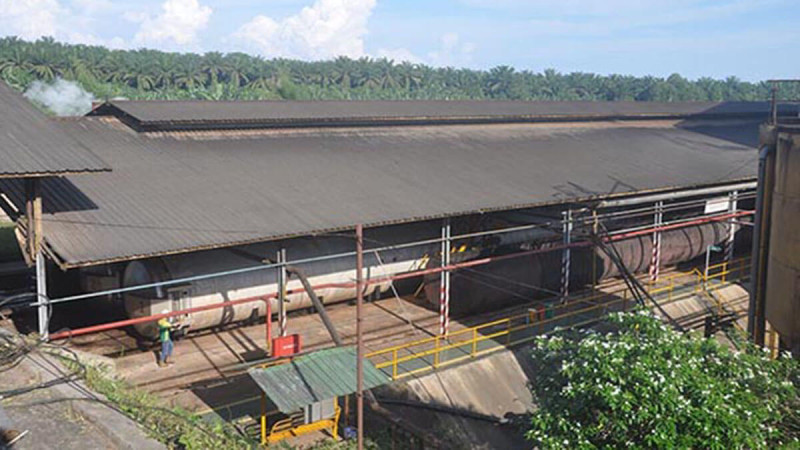
Industry participants and plantation operators say storage facilities in Sarawak, on the island of Borneo, are nearing their limits. The state accounts for more than 20% of Malaysia’s palm oil production, making the situation increasingly significant for the country’s supply chain.
Most palm oil shipments from Sarawak pass through Bintulu Port, which handles more than 90% of the state’s exports. This dependence on a major shipping hub has intensified logistical pressure as production rises.
Malaysia’s palm oil inventories reached a record 3.51 million tonnes in September 2026. Production also hit a record high ahead of the seasonal peak, which typically occurs in October.
The growing surplus has prompted the government to consider measures to accelerate exports, including a possible temporary exemption from the crude palm oil (CPO) export levy.
The inventory build-up has also weighed on market sentiment. Benchmark palm oil futures in Kuala Lumpur weakened during Tuesday’s trading session after falling as much as 2.2%, marking their steepest daily decline in more than a month.
SD Guthrie President and Chief Executive Officer Mohd Haris Mohd Arshad said the government and industry representatives had met to discuss ways to address the accumulation of stocks and accelerate shipments to overseas markets.
Malaysia’s Plantation and Commodities Minister Noraini Ahmad said the government was reviewing proposals submitted by industry players.
“At this stage, the proposals are still under consideration and require further discussion,” she said, as reported by InfoSAWIT from Bloomberg on October 31, 2026.
The situation also threatens smallholder supply chains. If storage tanks remain full, some mills could be forced to reduce processing capacity, potentially disrupting fresh fruit bunch (FFB) deliveries from plantations.
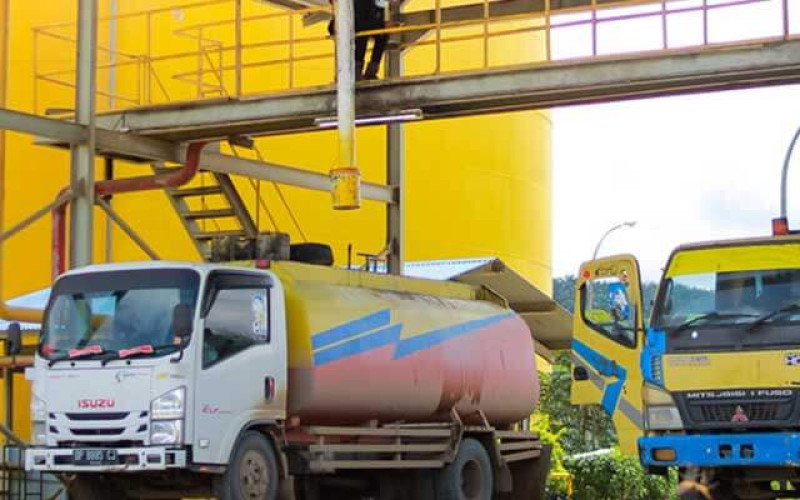
Rising diesel prices and transport costs are adding to the pressure. Companies have reportedly operated additional mills, while authorities are exploring alternative ports to ease congestion at Bintulu.
For Malaysia’s palm oil industry, the immediate challenge is not simply producing more, but moving the surplus before storage capacity is exhausted. (T2)