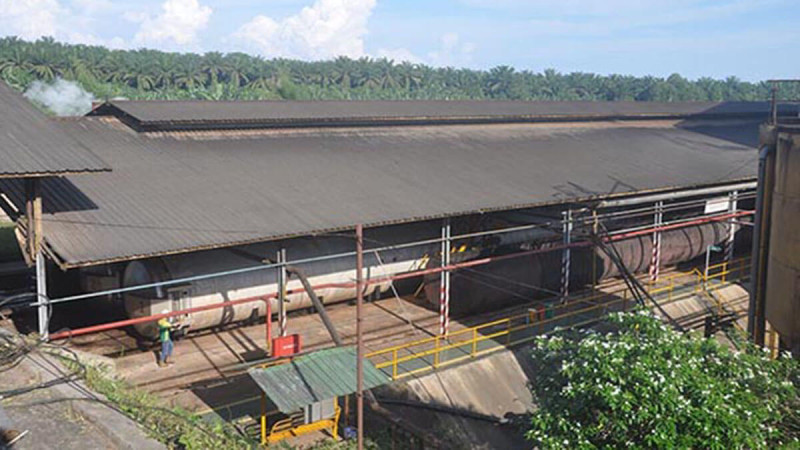
InfoSAWIT, JAKARTA – Indonesia is exploring a new generation of low-emission palm oil processing technology as the industry faces growing global pressure to improve its environmental performance. However, the success of the dry-process approach will depend not only on technological innovation, but also on market acceptance, smallholder readiness, and its commercial viability.
The technology, known as Steamless Palm Oil Technology (SPOT), uses a dry-processing approach to produce Palm Mesocarp Oil (PMO). Its developers promote the technology as a way to produce a high-nutritional-value product without generating liquid waste, while potentially reducing emissions by up to 75% compared with conventional processing.
Yet translating these environmental benefits into commercial success will require a stronger connection between technology developers, the palm oil industry, and smallholders.
Indonesia’s Ministry of Industry is looking to establish more structured partnerships to help smallholders participate in the development of the technology and benefit from its implementation.
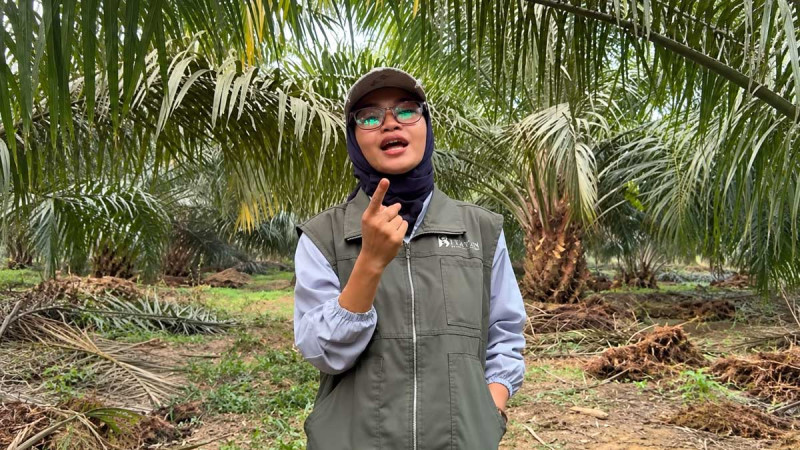
Krisna Septiningrum, Director of Chemical, Oleochemical and Feed Industries at the ministry, said the government aims to connect smallholders more directly with industry through partnership arrangements.
The ministry’s role will primarily involve regulation and policymaking, rather than directly managing field operations. Cooperatives are therefore seen as potential intermediaries linking smallholders with industrial operators.
Through this approach, fresh fruit bunches (FFB) harvested by smallholders could be channelled more efficiently into industrial supply chains, while farmers would gain more reliable access to markets.
Krisna also believes dry-process technology could strengthen the international image of Indonesian palm oil by addressing sustainability concerns in importing countries.
“The sustainability issues that have attracted attention in consumer countries can be addressed through more environmentally friendly innovation,” she told InfoSAWIT in early June 2026.
Ultimately, the technology’s long-term prospects will depend on whether its environmental advantages can be matched by commercially viable operations and tangible benefits for smallholders. (T2)