InfoSAWIT, JAKARTA – The Indonesian Attorney General’s Office, through the Forest Area Regulation Task Force (Satgas PKH), has recorded another major achievement in state financial recovery and forest governance.
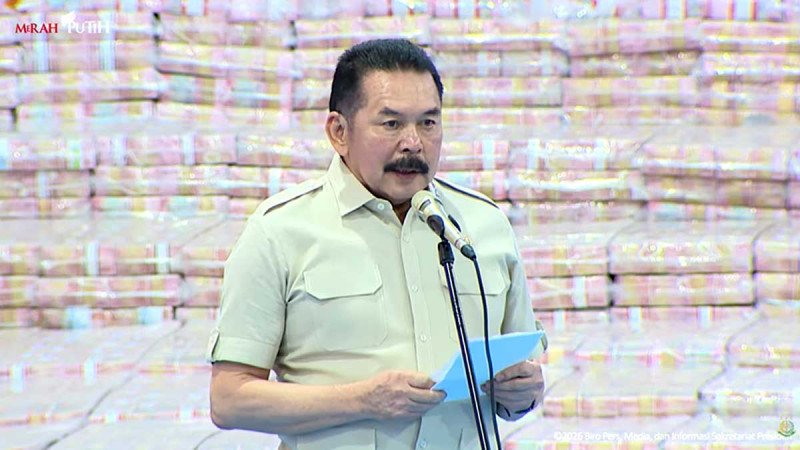
According to InfoSAWIT monitoring on Friday (April 10, 2026), Attorney General ST Burhanuddin stated that the sixth phase of administrative fine handover reflects both transparency and concrete law enforcement results in the forestry sector.
The total funds handed over to the state treasury reached Rp11.42 trillion.
“This handover reflects accountability, with Rp11.42 trillion sourced from various sectors,” he said.
He detailed that Rp7.236 trillion came from forestry-related enforcement and Satgas PKH activities. Meanwhile, non-tax state revenue (PNBP) from January–March 2026 reached Rp1.967 trillion, and tax revenues from January–April 2026 amounted to Rp967 billion.
Millions of Hectares of Forest Land Reclaimed
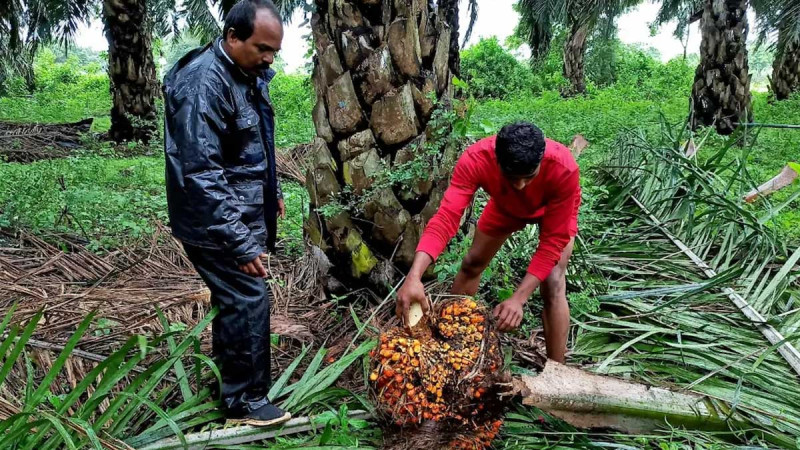
Since February 2025, Satgas PKH has reclaimed 5.888 million hectares of land in the oil palm plantation sector.
In mining, reclaimed forest areas reached 10,020 hectares.
In this sixth phase, 254,780.12 hectares of forest land were returned to relevant ministries and agencies, including conservation and production forests in Ketapang (West Kalimantan) and the Gunung Halimun–Salak National Park area in Bogor.
These areas will be managed by relevant ministries and handed over to PT Agrinas Palma Nusantara for further management.
Total Asset Recovery Reaches Rp371.10 Trillion
Burhanuddin emphasized that since its establishment in February 2025, Satgas PKH has successfully recovered state assets worth Rp371.10 trillion.
“Strong law enforcement is essential to safeguarding state assets,” he said, warning that weak enforcement risks financial losses, asset depletion, and declining state credibility.
He also highlighted Indonesia’s vast natural resource potential, noting that it remains underutilized due to its continued reliance on raw commodity exports.
“Law enforcement and public welfare are inseparable. Strong enforcement improves governance and delivers real economic impact,” he concluded. (T2)