InfoSAWIT, JAKARTA – Indonesia’s palm oil waste is once again proving its potential as a source of high-value raw materials, as the National Research and Innovation Agency (BRIN) develops microcrystalline cellulose (MCC) branded as Inacell from empty fruit bunches (EFB).
According to BRIN, this innovation offers not only a waste management solution but also new economic opportunities for the national palm oil industry.
Holilah, Associate Researcher at BRIN’s Research Center for Biomass and Bioproducts (PRBB), explained that MCC is produced through controlled cellulose hydrolysis and has wide industrial applications.
“MCC is widely used in pharmaceuticals, food, cosmetics, and coating materials,” she said during a webinar titled Product Knowledge.
Untapped Potential of Palm Waste
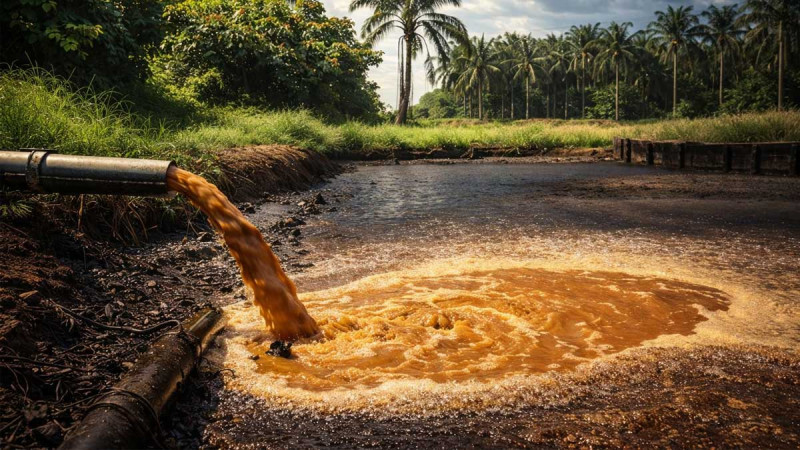
Indonesia’s crude palm oil (CPO) production is projected to reach 48.5–51 million tons in 2026, generating significant volumes of waste.
“This waste has strong potential to be processed into value-added products such as MCC,” Holilah noted.
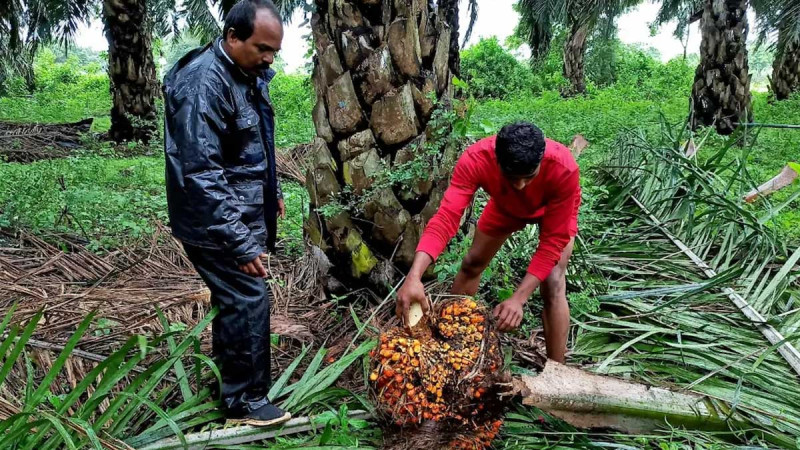
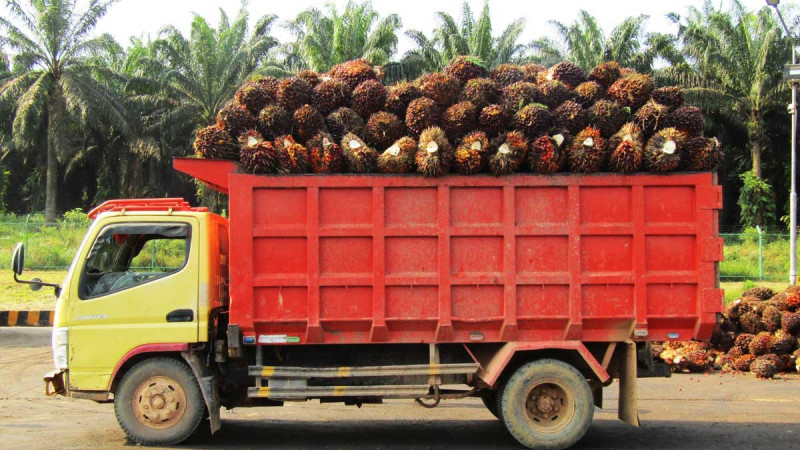
Empty fruit bunches were selected due to their abundant availability and high lignocellulosic content, which remains underutilized.
Research results show cellulose content can reach 65.21%, while lignin levels can be reduced to around 1%.
Import Substitution Opportunity
Indonesia’s MCC demand continues to rise, with imports reaching approximately 4 million kilograms annually.
Testing shows that Inacell outperforms commercial MCC products in water holding capacity, oil absorption, and swelling index.
This creates a strong opportunity to reduce import dependency and enhance domestic industry competitiveness.
MCC serves multiple strategic functions across industries—from pharmaceutical excipients to food stabilizers, composite reinforcements, and cosmetic ingredients.
Toward Industrial Scale Production
BRIN has conducted feasibility studies, including cost-efficiency strategies for industrial-scale production.
The use of organic acids with technical-grade chemicals is considered cost-effective, although it requires longer processing time.
“For food and pharmaceutical applications, organic acids are more suitable as they produce higher-quality output,” Holilah explained.
PRBB Head Akbar Hanif Dawam emphasized that innovations like Inacell can strengthen national industrial independence.
“This innovation is not only for health and pharmaceutical sectors but also for various other industries,” he said.
The development of Inacell highlights that palm oil downstreaming extends beyond energy and food into advanced materials.
By transforming waste into high-value products, Indonesia’s palm oil industry can enhance competitiveness while addressing sustainability challenges. (T2)